Brain Health Nutrition
-
How Antioxidants Help Protect the Brain: Key NutrientsAntioxidants and Brain Protection
What Are Antioxidants and Why Are They Important for Brain Protection? Antioxidants are naturally occurring compounds in foods and the body that help neutralize free radicals—unstable molecules that can cause oxidative stress and damage cells, including those in the brain. The brain, due to its high oxygen use and rich fat content, is especially su...
-
Best Foods High in Antioxidants for Brain ProtectionAntioxidants and Brain Protection
An antioxidant-rich diet is increasingly recognized as a key strategy to help protect brain function as we age. Antioxidants are compounds found in foods that help neutralize free radicals — unstable molecules that can contribute to cellular stress in the body, including in the brain. By incorporating more antioxidant-packed foods into your routine...

-
Understanding the Link Between Oxidative Stress and Cognitive DeclineAntioxidants and Brain Protection
What Is Oxidative Stress and How Does It Affect the Brain? Oxidative stress occurs when there is an imbalance between the production of free radicals—unstable molecules generated as byproducts of normal cellular metabolism—and the body's ability to neutralize them with antioxidants. The brain, due to its high oxygen consumption and abundant unsatur...
-
Building a Brain-Protective Grocery Routine: Antioxidants Made EasyAntioxidants and Brain Protection
Why Consistent Antioxidant Intake Matters for Brain Health Our brains are vulnerable to oxidative stress—a natural process that occurs when there are too many free radicals and not enough antioxidants to neutralize them. Antioxidants help stabilize these free radicals and support healthy cells throughout the body, particularly in brain tissues. A r...
-
Antioxidant Supplements for Brain Health: What to KnowAntioxidants and Brain Protection
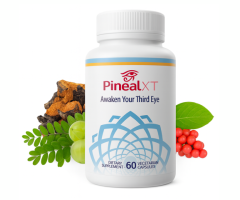
Antioxidant Supplements for Brain Health: An Overview Antioxidant supplements have gained attention for their potential to help protect the brain from oxidative stress, a process that can impact cognitive health as we age. Many modern brain and cognitive health formulas blend well-researched antioxidant ingredients such as turmeric, omega-3 fatty a...
-
Antioxidants and Brain Protection: Foods, Nutrients, and SupplementAntioxidants and Brain Protection
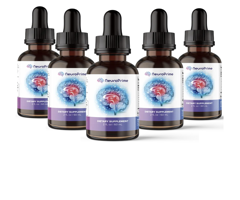
Understanding Antioxidants for Brain Protection Antioxidants play a crucial role in protecting brain cells from oxidative stress, a process linked to gradual cognitive decline and mental fatigue. Incorporating antioxidants from both foods and supplements is a practical routine for supporting your brain's longevity and cognitive performance. Key Foo...
-
How to Compare Supplements for Antioxidants and Brain ProtectionAntioxidants and Brain Protection
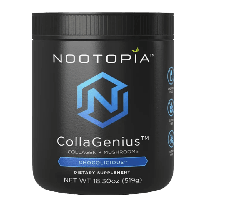
Understanding Supplements for Antioxidants and Brain Protection Supplements targeting brain protection often focus on ingredients that supply antioxidants, nourish neurons, and support cognitive functions. To make an informed choice, it's important to know how to evaluate these products by their ingredient profiles, transparency, fit for your goals...
-
Antioxidants and Brain Protection: What to Eat and What to VerifyAntioxidants and Brain Protection
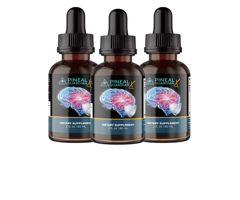
Understanding Antioxidants and Brain Health The brain is uniquely vulnerable to oxidative stress, making antioxidant-rich foods and nutrients important in supporting cognitive function, memory, and overall brain health. Antioxidants help neutralize free radicals and protect neurons from oxidative damage and inflammation—factors often linked with th...
-
Antioxidants and Brain Protection: Key Ingredients and ProductAntioxidants and Brain Protection
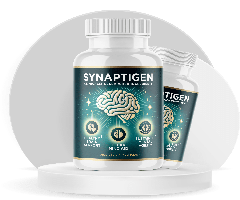
Understanding Antioxidants in Brain Health The brain is particularly vulnerable to oxidative stress—damage caused by free radicals. Antioxidants are natural compounds that help neutralize these free radicals, supporting brain cell integrity and healthy cognitive function. When considering nutrition or supplements for brain protection, focus on sour...
-
Daily Nutrition Habits for Antioxidants and Brain ProtectionAntioxidants and Brain Protection
Why Antioxidants Matter for Brain Protection The brain, rich in delicate fats and constantly active, is especially vulnerable to oxidative stress from free radicals. Antioxidants—nutrients that help neutralize these unstable molecules—play a crucial role in protecting brain cells and promoting cognitive longevity. Daily nutrition habits that supply...
-
Top 12 Brain Foods to Enhance Cognitive Performance Every DayBest Foods for Cognitive Performance
Optimal cognitive performance depends on a combination of lifestyle factors, and diet is one of the most influential. Eating foods rich in certain nutrients can help support clarity, memory, focus, and overall brain health. In this article, we explore 12 of the most evidence-backed foods and explain how to integrate them easily into your daily rout...
-
Meal Planning for Brain Health: Building a Cognitive Performance MenuBest Foods for Cognitive Performance
Why Plan Meals for Cognitive Performance? Meal planning for brain health isn't just about eating well—it's about optimizing your nutrient intake to support focus, clarity, and memory throughout the day. By structuring meals and snacks with proven brain-boosting nutrients, you provide consistent support for your mind’s daily demands. Building a Bala...
-
How to Read Nutrition Labels for Brain-Friendly FoodsBest Foods for Cognitive Performance
What to Look for on Food Labels to Support Brain Health Choosing foods that benefit your mind starts with understanding nutrition labels. Whether shopping for snacks, cereals, or supplements, focusing on brain-boosting nutrients and whole ingredients can make a difference in your cognition over time. Omega-3 Fatty Acids (DHA and EPA): Look for food...
-
Brain-Boosting Beverages: Drinks That Support Cognitive PerformanceBest Foods for Cognitive Performance
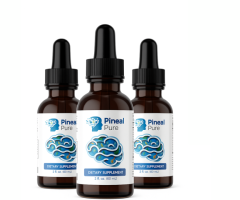
Overview: Beverages That Enhance Brain Function What you drink can have a notable impact on your mental clarity, focus, and overall cognitive performance. Certain beverages offer benefits beyond basic hydration, delivering targeted nutrients or compounds that support brain health. Here are some of the top brain-boosting beverages to consider for yo...
-
Brain Food Myths vs. Facts: What Really Works for CognitiveBest Foods for Cognitive Performance
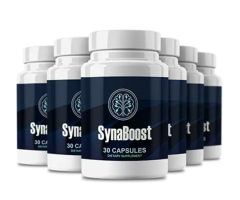
Popular Brain Food Myths and Misconceptions Cognitive performance is a popular wellness goal, but many myths about what actually fuels the brain persist. Here are some of the most common misconceptions: Myth 1: Sugar gives you a mental boost. Sweets may give a quick rush, but this is often followed by fatigue and brain fog. Excess sugar is linked t...
-
Best Foods for Cognitive Performance: Eat Smart, Read LabelsBest Foods for Cognitive Performance
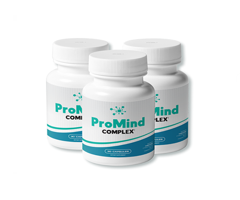
Choosing Foods for Cognitive Performance Everyday food choices can have a meaningful impact on your mental clarity, focus, and memory. Cognitive performance relies on providing your brain with essential nutrients from both whole foods and, when needed, thoughtfully-selected supplements. Understanding what to eat and how to verify supplement labels ...
-
Best Foods for Cognitive Performance: Key Ingredients and ProductBest Foods for Cognitive Performance
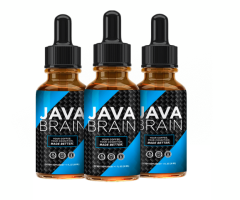
Foods and Nutrients That Support Cognitive Performance Cognitive performance—covering memory, focus, and mental clarity—depends strongly on nutrition. Certain foods and nutrients provide the building blocks and support systems that your brain requires for optimal functioning. Whether building a smarter grocery list or comparing supplement labels, u...
-
Daily Nutrition Habits for Best Foods for Cognitive PerformanceBest Foods for Cognitive Performance
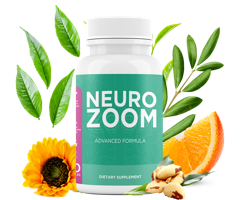
Daily Nutrition Habits for Cognitive Performance Optimizing cognitive performance and brain health begins with daily nutrition habits. The foods and nutrients you consume directly influence focus, memory, mood, and overall mental clarity. Below, you’ll find practical food routine tips, essential brain-boosting ingredients, and context for connectab...
-
Best Foods for Cognitive Performance: Foods, NutrientsBest Foods for Cognitive Performance
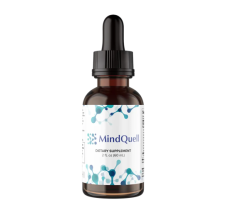
Understanding Cognitive Performance and Nutrition Cognitive performance encompasses memory, focus, mental clarity, decision making, and processing speed. Nutrition plays a central role in supporting these brain functions, and daily food choices can powerfully affect cognitive health over time. Both whole foods and targeted supplements can contribut...
-
How to Compare Supplements for Best Foods for Cognitive PerformanceBest Foods for Cognitive Performance
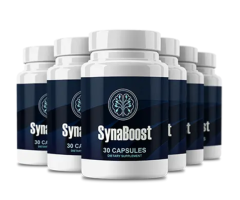
What Are the Best Foods and Ingredients for Cognitive Performance? Cognitive performance—encompassing focus, memory, concentration, and mental agility—is strongly linked to diet. Certain foods and nutrients nourish the brain, provide antioxidant protection, and support optimal neurotransmitter balance. When considering supplements to complement you...
What Does Brain Health Nutrition Cover?
This category centers on how dietary choices and nutrients affect your focus, memory, mental clarity, and overall brain function. Key areas include focus-supportive breakfasts, the effect of meals on brain fog, omega-3 foods, B vitamins, hydration strategies, and nootropic-style nutrients. The focus is primarily on food-first options, but select supplements and functional foods may support consistent routines.
How Brain Nutrition Affects How You Feel
Everyday focus, memory sharpness, and mental energy are all influenced by what you eat and drink throughout the day. A balanced routine can help you:
- Think clearly and react quickly
- Maintain attention and avoid distracting brain fog
- Remember details and process information smoothly
- Feel more alert in the morning and resist afternoon slumps
Small shifts—like swapping a sugary breakfast for a protein-rich meal, increasing omega-3 and B-vitamin intake, or staying well-hydrated—can make a difference in day-to-day mental performance.
What Happens When Intake Is Out of Balance?
When brain-supportive nutrients or hydration are lacking, it can lead to periods of low mental energy, forgetfulness, or difficulty concentrating. Overly processed foods, irregular eating times, or low fluid intake can trigger brain fog or sluggish thinking. Everyone's needs and responses vary, so routines may need adjustment around schedule, preference, and ingredient needs.
Key Ingredients for Brain Health
Certain nutrients are especially important for mental clarity and cognitive support:
- Omega-3 DHA – Essential for healthy brain cell structure and signaling
- B Vitamins (B6, B12, Folate) – Vital for neurotransmitter production and brain energy
- Magnesium – Calms nerves and supports mental relaxation
- Protein/Amino acids – Needed for neurotransmitter building blocks
- Antioxidants (e.g., from berries, vitamin E, vitamin C, turmeric) – Help protect brain cells from oxidative stress
- Hydration – Water is crucial for optimal brain function and concentration
- Fiber and prebiotics – Support gut health, which is linked with mood and mental performance
Common Routines & Why Consistency Can Waver
Routines can be inconsistent due to busy schedules, taste preferences, unclear label information, varying ingredient amounts in packaged foods, or supplement format (powders, pills, etc.). Busy mornings, skipped meals, or a reliance on convenience foods may lead to gaps in critical nutrients.
Daily Intake Context & Food Sources
- Omega-3 DHA: Commonly recommended sources include 2-3 servings of fatty fish per week (salmon, sardines, mackerel), or daily microalgae oil or fish oil supplements.
- B Vitamins: Found in leafy greens, eggs, whole grains, beans, and fortified cereals.
- Magnesium: Present in nuts, beans, seeds, whole grains, and dark leafy greens.
- Protein/Amino acids: Eggs, dairy, fish, poultry, beans, lentils, soy foods.
- Antioxidants: Berries, citrus fruits, spinach, broccoli, turmeric, and colorful fruits and veggies.
- Hydration: Water, herbal teas, and water-rich fruits/vegetables (cucumbers, oranges).
- Fiber and prebiotics: Oats, apples, bananas, garlic, onions, and beans.
Impact on Body & Feeling Table
| Factor | How It Affects You |
|---|---|
| Omega-3 intake | Supports memory, learning, and mood balance |
| B vitamins | Boosts mental energy and cognitive sharpness |
| Hydration | Prevents sluggishness, helps memory and concentration |
| Antioxidants | Protects brain cells, supports long-term cognitive health |
| Protein | Supplies building blocks for neurotransmitters |
Key Ingredient Table
| Ingredient | Main Role in Brain Health | Top Food Sources |
|---|---|---|
| Omega-3 DHA | Brain cell structure & communication | Salmon, sardines, mackerel, algae oil |
| B Vitamins (B6, B12, Folate) | Neurotransmitter synthesis | Eggs, leafy greens, beans, whole grains |
| Magnesium | Relaxation and nerve signaling | Pumpkin seeds, almonds, spinach |
| Antioxidants (Vitamin C, E, Polyphenols) | Cellular protection | Berries, citrus, spinach, nuts |
| Protein | Neurotransmitter precursors | Eggs, poultry, tofu, legumes |
| Hydration | Mental alertness, reduces fatigue | Water, watermelon, cucumber |
| Fiber/Prebiotics | Gut-brain axis support | Oats, onions, garlic, bananas |
Foods vs Supplements Table
| Nutrient | Main Food Sources | Supplement Context |
|---|---|---|
| Omega-3 DHA | Fish, algae, eggs | Fish oil, algae oil capsules for regular support |
| B Vitamins | Greens, beans, whole grains | Multivitamins, B-complex for gaps |
| Magnesium | Nuts, seeds, greens | Magnesium citrate/glycinate for consistent intake |
| Antioxidants | Berries, colorful vegetables | Concentrated berry/greens powders, vitamin E or C |
| Protein | Meat, eggs, beans | Protein powders for busy mornings |
| Fiber/Prebiotics | Beans, fruit, grains | Prebiotic fiber blends if insistent gut support is needed |
Supporting a Brain-Healthy Routine
Consistency can be challenging. Shifts in schedule, dietary preferences, supplement format, and ingredient amounts all influence how well a routine is maintained. Starting your day with a balanced, focus-friendly breakfast, staying hydrated, and including foods rich in omega-3s, B vitamins, antioxidants, and fiber is a practical foundation. Supplements may help cover gaps, but a whole-food approach is always the first step for most routines.
- 1


Health supplements