Eye Health Nutrition
-
Essential Vitamins and Nutrients to Support Age-Related Eye HealthVitamins and Nutrients for Age-Related Eye Health
Overview of Age-Related Changes to Eye Health As we age, our eyes naturally become more vulnerable to oxidative stress and nutrient deficiencies that can impact visual sharpness and comfort. Common age-related changes include diminished night vision, increased light sensitivity, and a gradual decline in the ability to focus. The risk for common eye...

-
Lutein and Zeaxanthin: How These Carotenoids Support Vision as YouVitamins and Nutrients for Age-Related Eye Health
Maintaining healthy vision becomes more challenging as we age, but certain nutrients—especially lutein and zeaxanthin—play a crucial role in supporting long-term eye health. These carotenoids help filter harmful light and combat oxidative stress in the eyes, which is particularly relevant for those concerned about age-related macular decline. What ...
-
Omega-3s and Aging Eyes: Can DHA Help Preserve Vision?Vitamins and Nutrients for Age-Related Eye Health
Overview: Omega-3 Fatty Acids and Retinal Health Omega-3 fatty acids are essential polyunsaturated fats that play a critical role in maintaining eye health, especially as we age. Among the omega-3s, docosahexaenoic acid (DHA) is particularly important for the development and preservation of the retina, the light-sensitive tissue at the back of the ...

-
Vitamin E, C, and Zinc: The Antioxidant Trio for Eye HealthVitamins and Nutrients for Age-Related Eye Health
How Vitamin E, C, and Zinc Protect Aging Eyes As we age, our eyes become more vulnerable to damage caused by oxidative stress. Antioxidants like vitamin E, vitamin C, and the essential mineral zinc play critical roles in defending ocular tissues, supporting healing, and promoting lifelong eye health. Understanding how these nutrients work and where...
-
Top Dietary Changes for Better Eye Health After Age 50Vitamins and Nutrients for Age-Related Eye Health
Understanding Age-Related Eye Health Risks After age 50, the risk of declining vision increases due to natural changes in the eye. Age-related macular degeneration (AMD), cataracts, and reduced night vision become more common. The main risk factors include: Oxidative Stress: Accumulation of free radicals can damage delicate eye tissues. Decreased A...
-
Understanding AREDS and AREDS2: Clinical Research on Eye HealthVitamins and Nutrients for Age-Related Eye Health
Summary of Age-Related Eye Disease Studies (AREDS & AREDS2) The Age-Related Eye Disease Study (AREDS) and its follow-up, AREDS2, were major clinical trials sponsored by the National Eye Institute. Their goal was to evaluate if certain vitamins and minerals could help reduce the risk of progression in age-related macular degeneration (AMD), one of t...

-
Vitamins and Nutrients for Age-Related Eye Health: FoodsVitamins and Nutrients for Age-Related Eye Health
Supporting Age-Related Eye Health: Nutrients, Foods, and Label Tips Maintaining healthy vision as we age is a priority for many adults. While regular eye exams and lifestyle practices play a central role, optimal nutrition—with specific vitamins and nutrients—can also support long-term visual function and eye comfort. This guide explores the most r...
-
How to Compare Supplements for Vitamins and NutrientsVitamins and Nutrients for Age-Related Eye Health
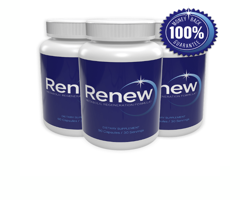
Understanding Nutrients for Age-Related Eye Health As we age, the risk of eye discomfort, visual changes, and oxidative stress in the eyes increases. Nutrition plays a central role in supporting clear, comfortable vision and maintaining retinal health. Certain vitamins and dietary compounds are considered especially beneficial for age-related eye h...
-
Vitamins and Nutrients for Age-Related Eye Health: What to EatVitamins and Nutrients for Age-Related Eye Health
Essential Vitamins and Nutrients for Age-Related Eye Health As we age, our eyes can benefit from specific vitamins and nutrients found in foods and supplements. Including nutrient-rich foods in your diet and understanding what to look for on supplement labels can support your eye health for years to come. Key Nutrients and Where to Find Them in Foo...

-
Vitamins and Nutrients for Age-Related Eye Health: Key IngredientsVitamins and Nutrients for Age-Related Eye Health
Understanding Age-Related Eye Health Nutrition As we age, maintaining optimal eye health becomes increasingly important due to natural changes in vision and higher risks of age-related eye concerns. Nutritional support through diet and supplements can help protect the eyes from oxidative damage, maintain healthy vision, and support normal eye funct...

-
Daily Nutrition Habits for Vitamins and Nutrients for Age-RelatedVitamins and Nutrients for Age-Related Eye Health
Supporting Age-Related Eye Health Through Daily Nutrition Eye health naturally shifts with age, and specific nutrients can help protect vision and maintain healthy eyes. Adopting nutrition habits that emphasize these nutrients and ingredients—both through food and supplements—can make a practical difference in day-to-day visual wellness. Key Vitami...

-
10 Everyday Meal Ideas Rich in Eye-Healthy NutrientsEveryday Meal Ideas for Eye Health
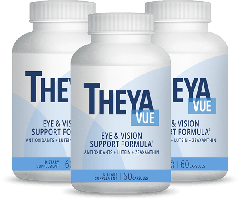
Good vision relies not only on regular eye checkups but also on daily nutrition. Consistently eating foods rich in essential eye-supporting nutrients can help your eyes function at their best. Here’s how you can build an eye-friendly eating routine, featuring everyday meal ideas, handy prep tips, and insights into supplement options if your diet fa...
-
Meal Planning for Eye Health: Simple Weekly MenusEveryday Meal Ideas for Eye Health
Good nutrition is one of the building blocks for maintaining healthy eyes over a lifetime. Meal planning offers a practical way to ensure ongoing intake of the nutrients most important for eye health, making it easy to meet your body’s needs even on busy days or when feeding the whole family. Why Meal Planning Supports Eye Health Consistent intake ...

-
Lunchbox Ideas for Kids and Adults: Foods for Healthy EyesEveryday Meal Ideas for Eye Health
Everyday Lunchbox Ideas for Eye Health Supporting eye health through everyday meals and snacks is simple when you know which nutrients matter most. Portable, kid-friendly, and work-lunch-friendly foods can deliver vitamins and minerals that help maintain healthy eyes and vision. Here’s how you can pack lunchboxes with colorful, tasty options for th...

-
Vegetarian and Vegan Meal Ideas for Eye Health SupportEveryday Meal Ideas for Eye Health
Unique Eye Health Nutrient Needs for Plant-Based Eaters For vegetarians and vegans, maintaining optimal eye health requires a special focus on specific nutrients often found in higher concentrations in animal products. Nutrients such as omega-3 DHA, vitamin E, vitamin C, zinc, lutein, and zeaxanthin play crucial roles in supporting healthy vision a...

-
Grocery Shopping for Everyday Eye Health: A Practical ChecklistEveryday Meal Ideas for Eye Health
Everyday Grocery Essentials for Eye Health The foods you bring home from the grocery store can have a meaningful impact on eye wellness. A well-stocked cart of nutrient-rich produce, proteins, and pantry staples supports vision at every age. Here's a practical checklist with explanations and budget-friendly tips for making eye-friendly meals access...

-
Quick and Easy Family Dinners to Boost Eye NutritionEveryday Meal Ideas for Eye Health
Family Dinners for Everyday Eye Wellness Building eye-healthy habits doesn't have to mean spending hours in the kitchen. With simple ingredient swaps and clever cooking strategies, you can prepare delicious family meals that deliver nutrients known to support vision — all in formats kids and adults alike will enjoy. Key Nutrients for Eye Health Cer...
-
Everyday Meal Ideas for Eye Health: What to Eat and Verify on LabelsEveryday Meal Ideas for Eye Health
Why Eye Health Nutrition Matters Every Day Eye health depends on a steady intake of specific nutrients found in whole foods and supplements. Everyday meal choices can help protect your vision and keep your eyes functioning at their best, especially as you age or face more screen time. Focusing on key ingredients and checking labels during grocery s...
-
Everyday Meal Ideas for Eye Health: Key Ingredients and ProductEveryday Meal Ideas for Eye Health
Everyday Meal Ideas for Eye Health Your eyes need targeted nutrients every day to stay healthy and adapt to the demands of modern life. While well-chosen meals provide many of these nutrients, some people may consider supplements for additional support. This article offers practical meal ideas, highlights the most important ingredients for eye heal...

-
Daily Nutrition Habits for Everyday Meal Ideas for Eye HealthEveryday Meal Ideas for Eye Health
Daily Meal Habits for Eye Health Healthy eyes rely on a steady supply of essential nutrients obtained from everyday meals. Focusing on certain vitamins, minerals, and plant compounds in your daily food routine can naturally support vision and overall eye comfort. Here are practical habits and meal ideas for maintaining good eye health through diet....
-
Everyday Meal Ideas for Eye Health: Foods, NutrientsEveryday Meal Ideas for Eye Health
Everyday Meal Ideas for Eye Health Your daily diet plays a powerful role in supporting long-term eye health and visual comfort. By focusing on meals rich in antioxidants, healthy fats, and key vitamins and minerals, you can provide your eyes with nutrients that defend against oxidative stress and help maintain visual sharpness. Food-Based Nutrients...

-
How to Compare Supplements for Everyday Meal Ideas for Eye HealthEveryday Meal Ideas for Eye Health
Nutrition and Everyday Meal Ideas for Eye Health Eating for optimal eye health is a smart approach to support your vision every day. While fresh fruits, vegetables, nuts, and fish can supply many essential nutrients, supplementing your diet can fill important nutritional gaps—especially if certain eye-healthy ingredients are hard to get regularly f...

Eye Health Nutrition is all about fueling your vision with nutrients and foods that help you see and feel your best—especially on screen-heavy days. The focus is on key nutrients like lutein, zeaxanthin, vitamin A, and omega-3 fatty acids, which are critical for protecting the eyes from daily stress and supporting long-term visual comfort.
What Does Eye Health Nutrition Cover?
This category connects the importance of colorful, nutrient-rich foods—like leafy greens, eggs, berries, and omega-3-rich fish—with practical routines that can help maintain or improve eye comfort, visual clarity, and resilience in everyday life. Whether you spend long hours at a computer or simply want to preserve healthy eyesight, this area addresses both your daily energy and how well your eyes handle visual demands.
Day-to-Day Impact on How You Feel
The right eye nutrition helps support sharp vision, reduces feelings of tired, dry, or irritated eyes, and may help you deal with the strain of digital devices. People who follow balanced routines often notice better focus, less squinting, and fewer headaches linked to visual fatigue. When routines or nutrient intake are lacking, eyes can more easily feel strained, vision may be less crisp—especially at night—and overall comfort may suffer.
| Body/Feeling Impact | When Balanced | When Out of Balance |
|---|---|---|
| Visual comfort | Clear, comfortable vision; less eye fatigue | Tired, irritated, or dry eyes; blurry moments |
| Light sensitivity | Normal adjustment to indoor/outdoor light | Feeling "dazzled" by lights; slower recovery |
| Adaptation to screens | Less strain from devices and blue light | Headaches, faster fatigue with screen use |
| Night vision | Sharp vision in low-light conditions | Trouble seeing at dusk, halos, or glare |
Important Ingredients & Why They Matter
| Ingredient | Why It Matters for Eye Health | Top Food Sources |
|---|---|---|
| Lutein & Zeaxanthin | Protects the retina from blue light and oxidative stress | Spinach, kale, collard greens, eggs |
| Vitamin A | Supports the cornea and night vision | Carrots, sweet potatoes, eggs, leafy greens |
| Omega-3 Fatty Acids | Helps produce eye moisture (tear film) and supports retina | Salmon, sardines, flaxseed, walnuts |
| Berries | Antioxidants help reduce oxidative stress in ocular tissues | Blueberries, strawberries, raspberries |
| Vitamin C & E | Neutralizes damaging free radicals in the eyes | Citrus, peppers, nuts, seeds |
Foods vs. Supplements
| Food Source | Typical Nutrient | When Supplements Are Considered |
|---|---|---|
| Leafy greens (kale, spinach) | Lutein, zeaxanthin, vitamin A | For added support when diet is low in these foods |
| Eggs | Lutein, zeaxanthin, vitamin A | If dietary issues limit intake |
| Fatty fish & walnuts | Omega-3s | When minimal seafood is consumed |
| Berries | Antioxidants, vitamin C, fiber | When fresh fruit isn’t always available |
Daily Intake Context
Many vision-supportive nutrients are easiest to get when you regularly eat a variety of colorful produce, leafy greens, eggs, and a few servings of fatty fish per week. For lutein and zeaxanthin (the main "eye pigments"), common daily intake through food is found in a large salad, a cooked cup of greens, or several eggs weekly. Omega-3s are abundant in fish, ground flaxseed, or walnuts, and vitamin A is in carrots, squash, and dark leafy greens.
Why Routines May Be Inconsistent
Maintaining a vision-supportive diet can be challenging due to busy schedules, taste preferences, and varying product formats. Some people may not enjoy leafy greens, dislike fish, or have trouble with supplement consistency. Label clarity and the amounts of lutein, zeaxanthin, or omega-3s in products can vary, so results depend on choosing products with well-labeled, research-backed doses and using them regularly.
Connecting Diet, Routine, and Supplements
Getting the most from eye health nutrition means creating a colorful plate with produce, eggs, and healthy oils, alongside smart routines like taking screen breaks, adjusting device lighting, and considering supplements when food sources fall short. Consistency—both in what you eat and how you care for your eyes—is key to long-term visual comfort and resilience.
- 1


Health supplements