A Week’s Meal Plan Using the Best Foods for Gut Repair Supplement Free
- Location: United States
Building a meal plan for gut health means focusing on diverse, whole foods that nourish beneficial bacteria and help soothe the digestive tract. By including a variety of prebiotic fibers, live probiotics, plant-based meals, and low-irritant dinners, you can support your gut’s natural repair processes. Here’s how a sample week of gut-focused eating could look, plus ideas on integrating natural ingredients found in gut health supplements.
Breakfast: Probiotics & Prebiotics to Start the Day
| Day | Breakfast Idea | Key Gut-Friendly Ingredients |
|---|---|---|
| Monday | Oats with live-culture yogurt, berries, and flaxseed | Oats, yogurt (probiotics), fiber |
| Tuesday | Sourdough toast with avocado and sauerkraut | Sourdough, sauerkraut (probiotics, prebiotics) |
| Wednesday | Overnight oats with apple pectin, chia, and cinnamon | Apple pectin, oats (prebiotic fiber) |
| Thursday | Eggs with sautéed spinach and kimchi | Kimchi (probiotics), leafy greens |
| Friday | Greek yogurt parfait with banana, inulin, and walnuts | Inulin (prebiotic), yogurt, nuts |
| Saturday | Steel-cut oatmeal with apple slices and pumpkin seeds | Sliced apple (pectin), oats |
| Sunday | Chia pudding with probiotic coconut yogurt and berries | Probiotic yogurt, seeds, berries |
Lunches: Fiber and Plant Diversity
- Lentil and vegetable soup with celery, carrots, turmeric, and kale
- Chickpea and quinoa salad including shredded cabbage, olive oil, and lemon
- Whole grain wrap with hummus, beets, spinach, and sprouts
- Mixed bean chili loaded with peppers and corn, with a spoonful of unsweetened yogurt on the side
- Leftover roasted vegetables tossed with cooked buckwheat and apple cider vinegar
- Wild rice bowl with roasted sweet potato, arugula, pumpkin seeds, and sauerkraut
Combining beans, whole grains, colorful vegetables, and fermented foods supports microbial diversity—key for gut resilience and comfort.
Gut-Friendly Snacks & Beverages
- Apple slices (pectin) with almond butter
- Plain kefir or non-dairy probiotic drink
- Raw carrots or celery with hummus
- Banana with a handful of nuts
- Homemade trail mix (pumpkin seeds, dried cranberries, sunflower seeds, walnuts)
- Ginger tea or peppermint tea for digestive comfort
Snacking on whole, natural foods keeps you energized and gives your gut more fibers and friendly bacteria to work with. Herbal teas like ginger or peppermint may help ease feelings of digestive discomfort.
Dinners: Simple, Soothing, and Nourishing
- Grilled salmon or tofu with steamed broccoli, brown rice, and a sprinkle of sesame seeds
- Stir fry with colorful vegetables, buckwheat noodles, and a touch of ginger
- Oven-roasted chicken thighs or chickpeas over sweet potato mash with wilted spinach
- Baked cod with turmeric and garlic, served with sautéed kale and millet
- Vegetable stew with carrots, onion, celery, beans, and parsnip
Stick to whole foods prepared simply, using healthy fats like olive oil and coconut oil. Herbs such as ginger, turmeric, and parsley offer both flavor and gut-balancing natural plant compounds.
Bringing in Natural Supplement Ingredients
Some foods and herbal teas easily bring in ingredients also found in gut health supplements. For example:
- Ginger (fresh root or tea) helps ease mild digestive upset.
- Peppermint tea is soothing after meals.
- Probiotics from live-culture yogurts, kefir, kimchi, or sauerkraut are daily microbiome boosters.
- Inulin fiber, found in foods like chicory, leeks, and prebiotic supplement blends, supports growth of beneficial gut bacteria.
- L-Glutamine is naturally present in protein-rich foods like chicken, fish, and eggs and is valued for its role in gut lining support.
Who Might Benefit from a Digestive Health Supplement?
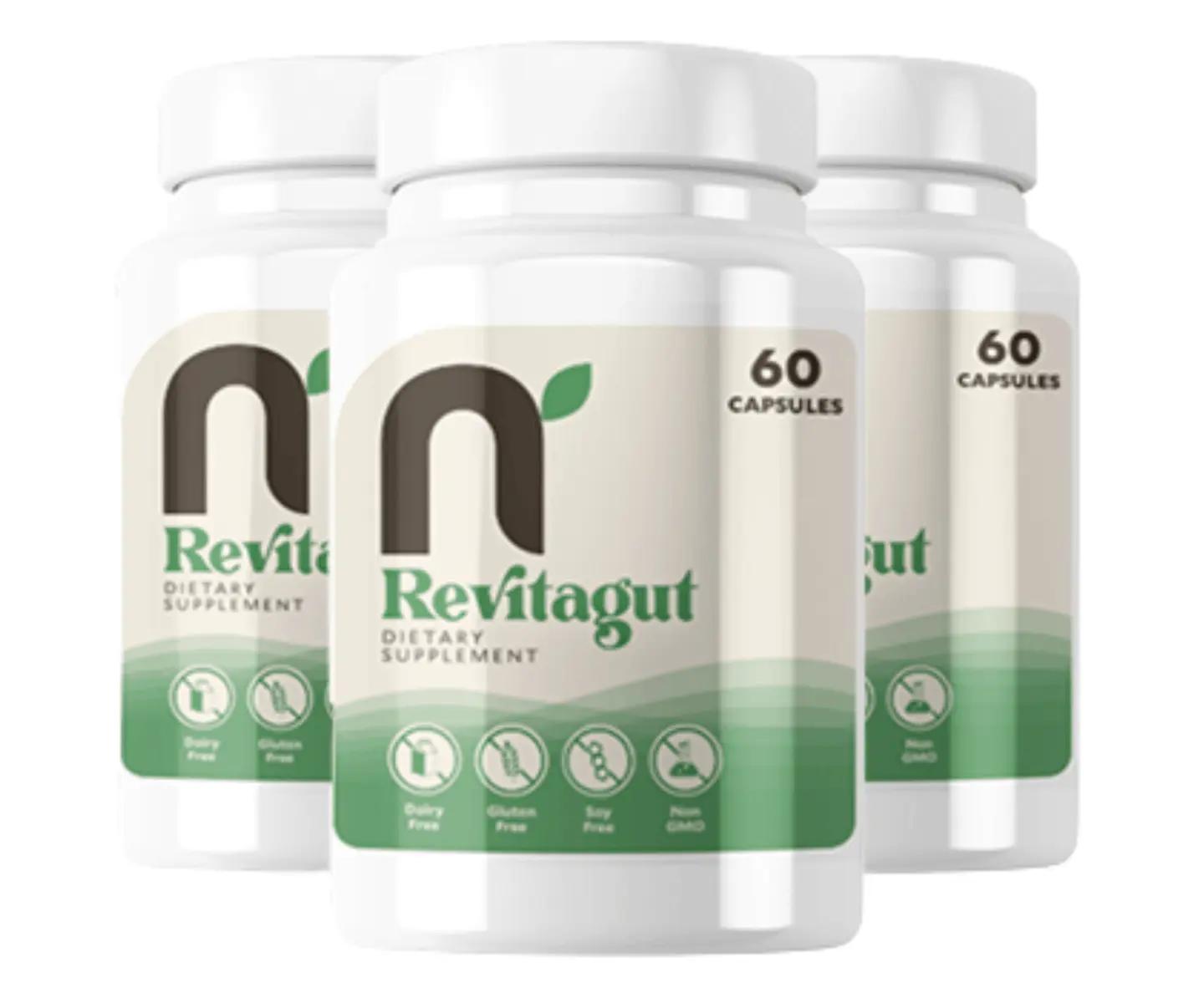
For periods of gut repair—such as after digestive discomfort, dietary changes, or stress—some people find it helpful to fill nutritional or functional gaps with a supplement that combines many of these natural supports. Revitagut: The Ultimate Gut Health Supplement includes a blend of ingredients like probiotics, inulin, L-glutamine, ginger, peppermint, and triphala, mirroring the foods highlighted above. Its targeted formula in the Gut & Digestive Health category may suit those looking for a concentrated source of these nutrients during intensive gut support phases.
Ingredient Table: Key Gut Repair Foods & Their Benefits
| Ingredient | How It Supports the Gut |
|---|---|
| Oats | Rich in beta-glucan soluble fiber that nourishes healthy gut flora |
| Live-culture yogurt | Provides live probiotics to rebalance gut microbes |
| Kimchi/Sauerkraut | Fermented vegetables loaded with a diverse array of beneficial bacteria |
| Apple Pectin | Soluble fiber that helps regulate digestion and feed good bacteria |
| Ginger | Traditionally used to calm occasional digestive discomfort |
| Inulin (from chicory root) | Prebiotic fiber that stimulates growth of beneficial bacteria |
| L-Glutamine | Supports gut lining integrity and repair (found in high-protein foods and certain supplements) |
| Peppermint | May offer temporary digestive soothing effects; great as tea or in blends |
| Triphala | Herbal blend used for digestive balance and gentle regularity |
Related Product Table
| Product ID | Product Name | Product Page URL | Why It Fits |
|---|---|---|---|
| 249 | Revitagut: The Ultimate Gut Health Supplement | View Product | Comprehensive blend of probiotics, inulin, L-glutamine, ginger, peppermint, and other gut-supportive ingredients aligning with this meal plan. |
Unique Takeaways
- Diverse plant foods, fermented foods, and soothing herbs form the core of an effective gut repair meal plan.
- Simple dishes using whole ingredients can be enjoyable and supportive for sensitive or stressed digestive systems.
- Many ingredients found in popular gut repair supplements can and should be a natural part of regular meals—bringing synergy between food and supplementation if needed.
- Supplements like Revitagut can fill functional gaps when your body needs concentrated gut-nourishing nutrients beyond what daily meals alone provide.
Useful information
- Disclaimer: This article contains affiliate links to products. We may receive a commission for purchases made through these links.
Related listings
-
Top 10 Gut-Healing Foods for Natural Gut RepairBest Foods for Gut Repair
Maintaining a healthy gut is crucial for overall well-being. A balanced digestive system helps with nutrient absorption, immune resilience, and energy. When the gut barrier is compromised—due to stress, medications, processed foods, or environmental factors—repairing it starts with smart nutrition choices. Here’s a practical guide to the top 10 gut...

-
Understanding How Prebiotics and Probiotics Work Together for GutBest Foods for Gut Repair
What Are Prebiotics and Probiotics? Gut health relies heavily on the balance and diversity of the bacteria that live in your digestive tract. Two key players foster this balance: prebiotics and probiotics. Though often mentioned together, they serve different key functions: Prebiotics: These are non-digestible fibers or compounds in certain foods t...
-
Gentle Foods to Eat During a Gut Flare-Up or Recovery PhaseBest Foods for Gut Repair
When your digestive system is experiencing a flare-up—whether due to food sensitivities, recent illness, or a period of gut distress—it’s important to choose foods and supplements that are easily tolerated and gentle on the digestive tract. This guide explores how to eat and supplement in a way that supports gut recovery and comfort. Understanding ...


Health supplements