Everyday Grocery Shopping Guide: Choosing Prebiotic and Probiotic Supplement Free
- Location: United States
Checklist: Top Prebiotic and Probiotic Foods for Your Grocery List
Supporting your gut health starts with your grocery basket. Use this checklist to choose foods that naturally feed beneficial gut bacteria (prebiotics) and deliver live cultures (probiotics):
- Yogurt (with live cultures): Look for "live and active cultures" on the label.
- Kefir: Fermented milk or water-based beverage, often labeled with specific probiotic strains.
- Kimchi and Sauerkraut: Unpasteurized, refrigerated brands keep beneficial bacteria alive.
- Miso and Tempeh: Fermented soy products, check for minimal pasteurization.
- Chicory Root and Jerusalem Artichoke: Naturally rich sources of inulin, a prebiotic fiber.
- Onions, Garlic, and Leeks: Everyday vegetables full of prebiotic fibers.
- Bananas (especially green): Supply resistant starch and FOS (fructooligosaccharides).
- Oats and Barley: Whole grains high in beta-glucans and other prebiotics.
- Legumes (beans, lentils, chickpeas): Core sources of prebiotic fibers for any diet.
How to Read Labels: Spotting Live Cultures and Fiber Content
When shopping for gut-friendly foods, smart label scanning can make all the difference:
- Probiotics: Look for phrases like "live and active cultures," or the listing of specific strains (e.g., Lactobacillus, Bifidobacterium) on refrigerated dairy and fermented foods.
- Prebiotics: On packaged foods or supplements, ingredients such as inulin, chicory root, FOS, and dietary fiber indicate prebiotic support. Nutrition labels show fiber content per serving — higher is generally better for gut health.
- Avoid added sugars: Excess sugar can disrupt the gut microbiome, so choose unsweetened or lightly sweetened products.
Balanced Meal Prep: Practical Tips for Gut-Friendly Choices
- Mix and match: Pair prebiotic foods (like oats or bananas) with probiotic foods (such as yogurt or kefir) in breakfast bowls or smoothies.
- Build diverse meals: Incorporate several different vegetables and whole grains each day for a wider variety of prebiotics.
- Plan ahead: Batch-cook lentil stews, roasted root vegetables, or grain salads to have prebiotic-rich options ready for the week.
- Add fermented sides: Include kimchi, sauerkraut, or pickled vegetables as toppings or side dishes to any meal.
Sample Table: Grocery List of Prebiotic and Probiotic Foods
| Food | Type | Key Benefit |
|---|---|---|
| Yogurt (live cultures) | Probiotic | Supports friendly bacteria balance |
| Kimchi/Sauerkraut | Probiotic | Diverse strains, tangy flavor |
| Chicory Root | Prebiotic | Inulin-rich, feeds good microbes |
| Banana (less ripe) | Prebiotic | Resistant starch, FOS |
| Oats/Barley | Prebiotic | Beta-glucan for gut and heart |
| Leeks, garlic, onions | Prebiotic | Versatile, natural prebiotic fiber |
| Tempeh | Probiotic | Vegetarian, protein source |
Guidance for Different Dietary Lifestyles
- Vegan: Focus on tempeh, miso, kimchi, sauerkraut, oat-based yogurts (with live cultures), and a wide array of prebiotic vegetables.
- Dairy-Free: Choose coconut or almond-based yogurts with live cultures, kombucha, and naturally fermented vegetables.
- Gluten-Free: Prioritize gluten-free oats, bananas, root vegetables, and check fermented foods for hidden wheat ingredients.
- Low-FODMAP: Limit garlic, onion, and wheat; choose bananas (ripe), oats, and lactose-free/live-culture dairy alternatives.
Supplement Solutions: When Food Variety or Preferences Are Limited
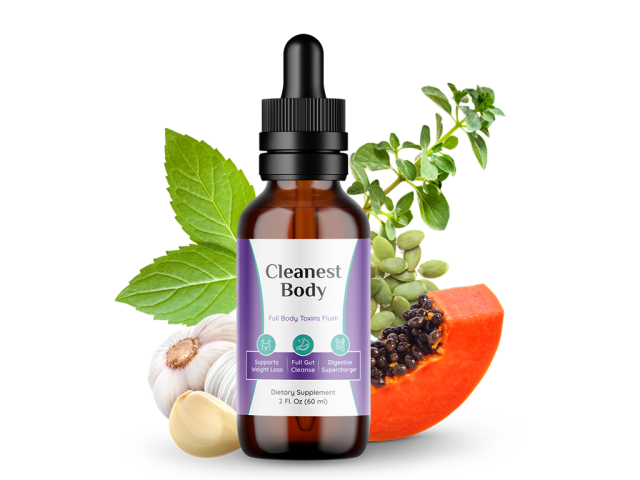
Sometimes it's challenging to get enough prebiotics and probiotics from food alone, especially with strict dietary needs or limited grocery options. Cleanest Body: Your Key to a Healthier You is a supplement designed for gut and digestive support. This product fits well with food-based routines because it contains:
- Inulin from natural sources (such as chicory or dandelion)
- Oats (for beta-glucan)
- Peppermint, papaya seed extract, and black walnut hull, all used traditionally in digestive wellness formulas
- Oregano leaf oil for natural gut balance
- Slippery elm bark for fiber and mucilage support
These ingredients offer a combination of prebiotic fiber and plant extracts that complement a gut-friendly diet.
Related Product Table
| Product ID | Product Name | Product Page URL | Why It Fits |
|---|---|---|---|
| 226 | Cleanest Body: Your Key to a Healthier You | View Product | Combines prebiotic fibers (inulin, oats) and herbal digestive ingredients for gut and digestive support. |
Unique Takeaways
- Stocking your grocery cart with both prebiotic and probiotic foods helps naturally nurture gut health.
- Learning to spot fiber content and live cultures on labels ensures your choices are as beneficial as possible.
- Adapt gut-friendly eating to any dietary style with a focus on variety and whole foods.
- Digestive supplements like "Cleanest Body: Your Key to a Healthier You" can support your routine when fresh options are hard to find or dietary needs narrow your choices.
- Building a gut-friendly kitchen is practical, rewarding, and supports overall wellness through everyday choices.
Useful information
- Disclaimer: This article contains affiliate links to products. We may receive a commission for purchases made through these links.
Related listings
-
Top Probiotic and Prebiotic Foods for a Healthier GutProbiotic and Prebiotic Foods Guide
A thriving gut microbiome is vital for digestion, immune support, and overall wellbeing. Two of the main drivers for a healthy gut are probiotics—friendly bacteria found in certain foods—and prebiotics, which are special fibers that nourish those bacteria. Understanding these nutrients and where to find them can help you build a foundation for bett...
-
How to Incorporate Prebiotic Foods Into Your DietProbiotic and Prebiotic Foods Guide
What Are Prebiotics and Why Are They Important? Prebiotics are naturally occurring dietary fibers and plant compounds that serve as food for the beneficial bacteria in your gut. Unlike probiotics, which are live bacteria, prebiotics are the fuel that helps these microbes thrive. By supporting a healthy gut environment, prebiotics play a key role in...

-
Probiotics vs. Prebiotics: What’s the Difference and Why Do YouProbiotic and Prebiotic Foods Guide
Probiotics and prebiotics are popular terms in the world of gut health, but many people aren’t sure how they differ or why both are important. Understanding the distinction and synergy between these two can help support optimal digestive wellness, whether through food or supplements. Probiotics vs. Prebiotics: The Key Differences Probiotics are liv...


Health supplements