How to Compare Supplements for Probiotic and Prebiotic Foods Guide Supplement Free
- Location: United States
Understanding Probiotic and Prebiotic Supplements
Probiotic and prebiotic foods play crucial roles in supporting gut health. Probiotics are live beneficial bacteria that help maintain a balanced gut microbiome, while prebiotics are specific fibers that feed these helpful bacteria. Increasingly, supplements combine these ingredients to promote digestive comfort, regularity, and overall wellness.
Key Ingredient Roles in Probiotic and Prebiotic Supplements
When comparing supplements, it’s important to know the function of each key ingredient. Here’s a breakdown of common ingredients and their contributions:
| Ingredient | Role in Gut Health |
|---|---|
| Probiotics | Live bacteria that help balance gut flora and support digestive comfort. |
| Chicory Root Inulin | A prebiotic fiber that nourishes beneficial gut bacteria. |
| Apple Pectin | Soluble fiber that helps support bowel regularity and feeds good microbes. |
| Oats | Provide beta-glucan fibers that act as prebiotics and support healthy cholesterol. |
| Poria Cocos | Traditional mushroom used to support digestive harmony. |
| Wild Yam | Root providing fiber and plant compounds that may promote digestive comfort. |
| Schisandra | Adaptogenic berry supporting stress response and digestive health. |
| Ginger | Helps ease mild digestive discomfort and supports healthy motility. |
Evaluating Amount, Form, and Transparency
When comparing products, look for transparency in both the type of ingredients and their amounts. Trustworthy supplements display:
- Strain-specific probiotics (e.g., Lactobacillus or Bifidobacterium with CFU counts)
- Detailed fiber sources (e.g., inulin from chicory root, apple pectin, oat beta-glucan)
- Standardized herbal extracts with clear labeling
- Complete supplement facts outlining dosages per serving
Form matters as well: capsules, powders, and chewables each suit different preferences and needs.
Selecting the Right Product Category
Products in the Gut & Digestive Health category often blend probiotics with a range of prebiotic fibers, soothing botanicals, and digestion-supporting compounds. This synergy can offer a broader range of gut health benefits compared to single-ingredient formulas.
Safety Considerations and Label Checks
- Check that the supplement is free from major allergens and contaminants.
- Look for third-party certifications or testing for purity and identity.
- Review usage directions and serving size appropriate for your routine.
- Note if the product lists unnecessary fillers, artificial additives, or sweeteners.
Practical Routine Use and Example Ingredients
Supplements that combine both probiotics and a spectrum of prebiotics align closely with the concept of synbiotics—products that comprehensively support a flourishing gut microbiome. For daily routines, these are often paired with a fiber-rich diet or taken after meals to support digestion.
| Routine Example | Supplement Formula Features |
|---|---|
| Morning with breakfast | Contains oat beta-glucan and live-culture probiotics |
| Midday after lunch | Added herbs (ginger, wild yam) for digestive comfort |
| In combination with fiber-rich snacks | Prebiotic blends (chicory root inulin, apple pectin) |
Related Supplement Product
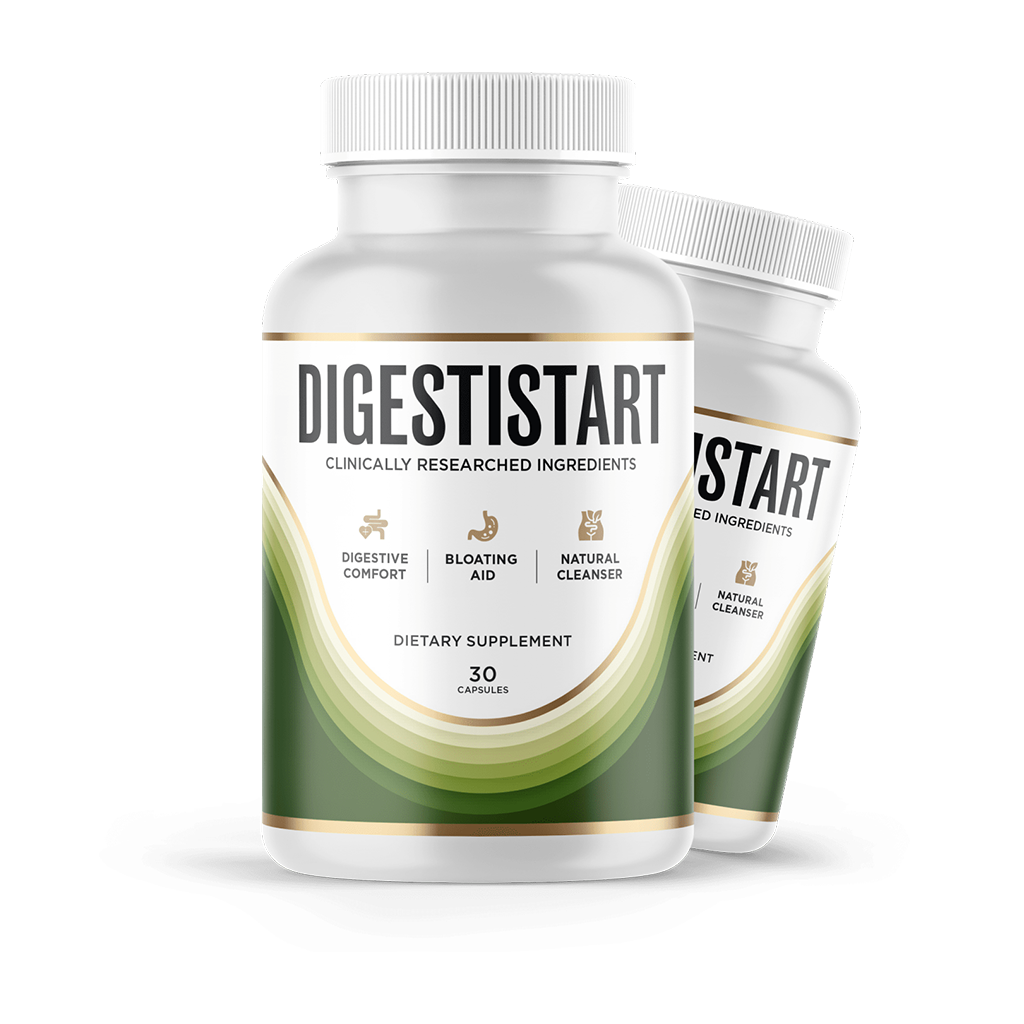
One example that meets these criteria is DigestiStart: Kickstart Your Digestion Naturally Today! This supplement, found in our Gut & Digestive Health category, combines recognized prebiotics (chicory root inulin, apple pectin, oats), botanicals (ginger, wild yam, Poria Cocos, Schisandra), and probiotics. This formula aims to support digestive comfort, provide diverse fibers, and promote a healthy microbiome. For more detailed information on the formula and how it ties in with gut health, visit the DigestiStart: Kickstart Your Digestion Naturally Today! product page.
Related Product Table
| Product ID | Product Name | Product Page URL | Why it fits |
|---|---|---|---|
| 85 | DigestiStart: Kickstart Your Digestion Naturally Today! | View Product | Comprehensive blend of prebiotics, probiotics, and digestive botanicals for gut health. |
Unique Takeaways
- Effective probiotic and prebiotic supplements combine live-beneficial bacteria with multiple forms of fiber from plant-based sources.
- Transparency in labeling and ingredient form is crucial for making smart comparisons.
- Choosing a formula from a focused category like Gut & Digestive Health helps ensure that the product is tailored for gut support, with synergistic ingredient combinations.
- Routine use alongside a balanced, fiber-rich diet enhances results for most users.
Useful information
- Disclaimer: This article contains affiliate links to products. We may receive a commission for purchases made through these links.
Related listings
-
Top Probiotic and Prebiotic Foods for a Healthier GutProbiotic and Prebiotic Foods Guide
A thriving gut microbiome is vital for digestion, immune support, and overall wellbeing. Two of the main drivers for a healthy gut are probiotics—friendly bacteria found in certain foods—and prebiotics, which are special fibers that nourish those bacteria. Understanding these nutrients and where to find them can help you build a foundation for bett...
-
How to Incorporate Prebiotic Foods Into Your DietProbiotic and Prebiotic Foods Guide
What Are Prebiotics and Why Are They Important? Prebiotics are naturally occurring dietary fibers and plant compounds that serve as food for the beneficial bacteria in your gut. Unlike probiotics, which are live bacteria, prebiotics are the fuel that helps these microbes thrive. By supporting a healthy gut environment, prebiotics play a key role in...
-
Probiotics vs. Prebiotics: What’s the Difference and Why Do YouProbiotic and Prebiotic Foods Guide
Probiotics and prebiotics are popular terms in the world of gut health, but many people aren’t sure how they differ or why both are important. Understanding the distinction and synergy between these two can help support optimal digestive wellness, whether through food or supplements. Probiotics vs. Prebiotics: The Key Differences Probiotics are liv...


Health supplements