Joint Health Nutrition
-
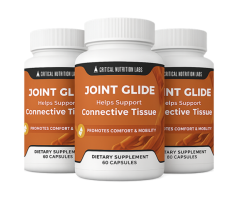
Top Supplements for Joint Support: What to Know Before You StartSupplements for Joint Support
Maintaining healthy, flexible joints is key to staying active and comfortable as we age or increase our activity levels. Joint support goes beyond easing occasional stiffness — it’s essential for overall mobility, healthy movement, and quality of life. Why Joint Support Matters Our joints — where bones, cartilage, and connective tissues meet — allo...
-
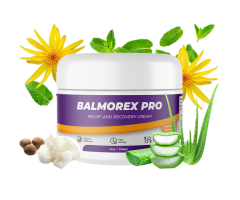
How Collagen Supplements Can Support Joint Health and FlexibilitySupplements for Joint Support
Understanding Collagen’s Role in Joint Health Collagen is the most abundant protein in the human body, serving as a principal component of connective tissues—including skin, tendons, ligaments, and, crucially, joint cartilage. In joints, collagen provides strength, cushioning, and a flexible framework that helps maintain comfortable movement and ab...
-
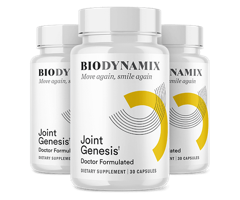
Natural Ingredients in Joint Support Supplements: What Should YouSupplements for Joint Support
Key Natural Ingredients for Joint Support Many joint support supplements rely on a range of natural ingredients to help maintain comfortable movement, flexibility, and resilient connective tissues. Understanding the key ingredients can help you make informed decisions when choosing a supplement or reading product labels. Ingredient How It Supports ...
-
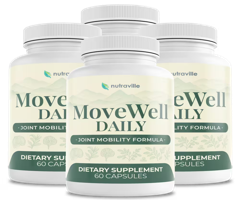
A Guide to Omega-3s and Antioxidants for Joint ComfortSupplements for Joint Support
How Omega-3s and Antioxidants Support Joint Health Maintaining joint comfort and mobility hinges greatly on balanced nutrition, specifically nutrients that help modulate inflammation and protect joint tissues. Two key nutrient groups for this purpose are omega-3 fatty acids and antioxidants. Together, they help safeguard cartilage, decrease oxidati...
-
Key Nutrients for Healthy Joints: From Diet to Supplement RoutinesSupplements for Joint Support
Joint health is crucial for maintaining an active lifestyle and overall mobility as we age. While genetics, physical activity, and body weight all influence joint comfort, nutrition also plays a key role in supporting the structure, flexibility, and resilience of joints. This article explores vital nutrients needed for healthy joints, their food so...

-
Supplements for Joint Support: Foods, Nutrients, and SupplementSupplements for Joint Support
Healthy joints are essential for daily comfort and mobility, whether you're an athlete or simply want to stay active as you age. While diet, activity, and hydration play critical roles, targeted nutrients and supplements can help support joint flexibility, comfort, and strength. Key Foods for Joint Support and Comfort Certain foods provide importan...

-
How to Compare Supplements for Joint Support: Key FactorsSupplements for Joint Support
Understanding Supplements for Joint Support Joint support supplements are designed to help maintain comfortable movement and flexibility, particularly as we age or experience increased physical activity. Comparing these products requires a careful look at their ingredients, formula transparency, category fit, safety considerations, and other label ...

-
Supplements for Joint Support: What to Eat and What to VerifySupplements for Joint Support
Nutrition and Supplement Approaches for Joint Support Maintaining comfortable, flexible joints is essential for mobility as we age or pursue an active lifestyle. While exercise and rest matter, everyday food choices and well-chosen supplements can support overall joint health by providing key nutrients for cartilage, ligaments, and bone strength. T...

-
Supplements for Joint Support: Key Ingredients and Product MatchingSupplements for Joint Support
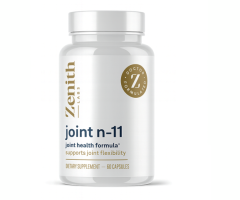
Understanding Joint Support Supplements Supplements for joint support aim to nourish cartilage, tendons, ligaments, and surrounding tissues. A well-formulated supplement can complement a balanced diet and regular activity, helping maintain comfort and flexibility as part of an overall wellness routine. Key Ingredient Categories for Joint Health Ing...
-
Daily Nutrition Habits for Supplements for Joint SupportSupplements for Joint Support
Understanding Joint Support and Daily Nutrition Maintaining healthy joints is a result of daily habits and smart nutritional choices. Regular intake of specific foods and nutrients helps provide your body with building blocks to support joint structure, flexibility, and comfort throughout life. Many people also look for supplement options to comple...

-
Top Anti-Inflammatory Foods to Include in Your Joint Health DietAnti-Inflammatory Diet Plans for Joint Health
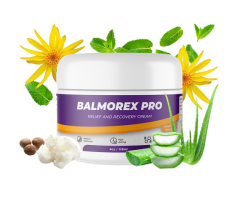
How Inflammation Affects Joint Health Chronic, low-level inflammation is one of the main contributors to joint discomfort, morning stiffness, and reduced flexibility. Inflammation can result from injury, overuse, or natural aging, but research shows that dietary choices play a powerful role in modulating the body’s inflammatory response. By focusin...
-
How to Build a Weekly Anti-Inflammatory Meal Plan for Joint SupportAnti-Inflammatory Diet Plans for Joint Health
Building a weekly anti-inflammatory meal plan is one of the most effective ways to support healthy joints and overall mobility. Chronic low-grade inflammation may contribute to joint discomfort, but a food-first approach can help manage this. By focusing on nutrient-dense, minimally processed foods and mindful ingredient choices, you can create mea...

-
Understanding Omega-3s and Their Role in Joint-Friendly DietsAnti-Inflammatory Diet Plans for Joint Health
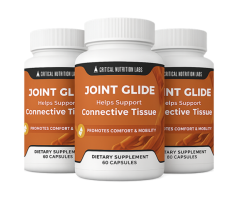
What Are Omega-3 Fatty Acids and Why Are They Important for Joint Health? Omega-3 fatty acids are essential fats, meaning our body cannot produce them on its own. These healthy fats play an important role in supporting cell membranes, including those in joint tissues. Omega-3s are valued for their anti-inflammatory properties, which help support th...
-
Vegetarian and Vegan Anti-Inflammatory Diet Options for Joint HealthAnti-Inflammatory Diet Plans for Joint Health
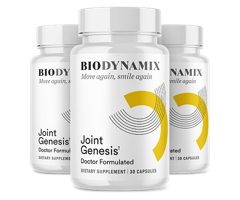
Plant-Based Anti-Inflammatory Foods for Joint Support Following a vegetarian or vegan diet offers a wide variety of foods naturally suited for joint health. Many plant-based staples contain compounds that support the body's natural inflammation response and provide nutrients beneficial for joints: Leafy greens (spinach, kale, Swiss chard): rich in ...
-
Turmeric and Ginger: Natural Anti-Inflammatory Boosters for YourAnti-Inflammatory Diet Plans for Joint Health
Turmeric and Ginger: Functional Foods for Joint Wellness Turmeric and ginger stand out as two of the most valued spices when it comes to supporting joint comfort and healthy inflammatory balance. Both have been used for centuries in traditional wellness routines and have gained popularity in modern kitchens as well as dietary supplement formulas fo...
-
Anti-Inflammatory Drinks and Smoothies for Joint WellnessAnti-Inflammatory Diet Plans for Joint Health
The Benefits of Meal-Timed, Nutrient-Rich Drinks Drinking anti-inflammatory beverages and smoothies at strategic times can support joint function by delivering core nutrients your body needs for comfort, hydration, and flexibility. Unlike heavy meals, liquid options are easier to digest, allow for creative ingredient combinations, and can fit seaml...

-
How to Grocery Shop for an Anti-Inflammatory Joint Health DietAnti-Inflammatory Diet Plans for Joint Health
Grocery Shopping for an Anti-Inflammatory Joint Health Diet Following an anti-inflammatory diet can play a key role in supporting joint health and overall well-being. The right foods help nourish your body, favoring ingredients known to calm everyday inflammation and support strong, comfortable joints. Here’s how to stock your kitchen efficiently, ...

-
Anti-Inflammatory Diet Plans for Joint Health: What to EatAnti-Inflammatory Diet Plans for Joint Health
Why Focus on Anti-Inflammatory Diets for Joint Health? Joint discomfort and stiffness are often worsened by chronic inflammation. Adjusting your diet is a practical way to support healthy joints. By prioritizing anti-inflammatory foods and understanding labels, you can create everyday meal patterns and supplement routines to target joint wellness. ...

-
Anti-Inflammatory Diet Plans for Joint Health: Key IngredientsAnti-Inflammatory Diet Plans for Joint Health
Anti-inflammatory diet plans are increasingly recognized as a practical nutrition strategy for supporting joint health, flexibility, and overall comfort. By incorporating specific foods and nutrients, you may help maintain balanced inflammatory responses and nourish the tissues that keep your joints working smoothly. Key Ingredient Categories in An...
-
Daily Nutrition Habits for Anti-Inflammatory Diet Plans for JointAnti-Inflammatory Diet Plans for Joint Health
Adopting daily nutrition habits grounded in anti-inflammatory diet plans can be a powerful way to support joint health and overall mobility. Consistent food choices that favor nutrients supporting healthy inflammation responses and connective tissue integrity may help your joints feel their best, especially as you age or pursue active lifestyles. W...

-
Anti-Inflammatory Diet Plans for Joint Health: Foods, NutrientsAnti-Inflammatory Diet Plans for Joint Health
An anti-inflammatory diet is a practical approach to supporting joint health, flexibility, and comfort. By including foods and nutrients known to help balance the body’s inflammatory response, you can promote healthy joints and stay active. This guide explains anti-inflammatory diet principles, highlights key foods and nutrients, and shows how to c...

-
How to Compare Supplements for Anti-Inflammatory Diet PlansAnti-Inflammatory Diet Plans for Joint Health
Understanding Anti-Inflammatory Diet Plans for Joint Health Anti-inflammatory diet plans are designed to help manage the natural inflammatory processes in the body, especially important for supporting comfortable, flexible joints. These plans emphasize nutrient-rich foods and targeted supplements that provide antioxidants, healthy fats, and compoun...
What Is Joint Health Nutrition?
Joint health nutrition focuses on dietary patterns and nutrients that help support comfortable movement and flexibility throughout life. This category connects anti-inflammatory foods, specific nutrient essentials, and targeted supplement ingredients—such as omega-3 fatty acids, protein, collagen, turmeric, and curcumin—with practices that help maintain joint comfort and mobility as you age or increase physical activity.
Why Joint Nutrition Affects How You Feel
The foods and nutrients you consume for joint health can influence how energetic, resilient, and comfortable you feel each day. When your routine consistently includes anti-inflammatory meals and key nutrients, you may notice easier movement, less stiffness, and quicker recovery after workouts or daily tasks. Foods rich in antioxidants and healthy fats also support tissue resilience, while adequate protein and collagen help maintain cartilage and muscle structure critical for joint stability.
When Joint Nutrition Falls Out of Balance
If your diet lacks these supportive nutrients or eating patterns become irregular, you may experience more stiffness, slower recovery, or routine discomfort during physical activity. Inconsistent intake of omega-3s, antioxidants, or proteins can reduce your body's ability to manage minor stress or repair connective tissues efficiently, affecting how easily you move and your overall sense of well-being. These issues are compounded by factors like busy schedules, dietary preferences, or inconsistent product usage.
Key Ingredients and Why They Matter
- Omega-3 Fatty Acids (EPA/DHA): Found in fatty fish, flax, and chia. They help regulate inflammatory processes posts-activity.
- Collagen: Naturally present in bone broths and certain animal proteins. Supports the structural integrity of cartilage, tendons, and ligaments.
- Protein: Essential for muscle repair and maintaining lean mass to support joints.
- Turmeric & Curcumin: Botanical actives that help the body naturally manage minor inflammation.
- Antioxidants (Berries, Spinach, Vitamin C, E): Help reduce oxidative stress and maintain tissue health.
Body & Feeling Impact Table
| Routine | Potential Feeling Impact |
|---|---|
| Consistent intake of joint-nourishing foods | Comfortable movement, easy recovery, less routine stiffness |
| Low intake or skipped nutrients | Greater stiffness, slower recovery, decreased mobility |
| Inconsistent supplement/product use | Fluctuating support, variable comfort levels |
Ingredient Table
| Ingredient | Role in Joint Health | Food Sources |
|---|---|---|
| Omega-3s (EPA/DHA) | Supports healthy inflammation response | Salmon, sardines, mackerel, walnuts, chia seeds |
| Collagen | Supports cartilage integrity | Bone broth, chicken skin, gelatin |
| Protein | Muscle and tissue repair | Lean meats, beans, yogurt, eggs |
| Turmeric/Curcumin | Botanical support for comfort | Turmeric root, curry powders |
| Vitamin C | Collagen production | Berries, citrus, bell peppers |
| Antioxidants | Protects tissues from oxidative stress | Berries, spinach, nuts, seeds |
| Vitamin E | Supports cell membrane health | Sunflower seeds, almonds, avocado |
| Magnesium | Muscle relaxation | Spinach, pumpkin seeds, black beans |
Foods vs Supplements Table
| Source | Advantages | Considerations |
|---|---|---|
| Whole Foods | Provides a spectrum of nutrients, fiber, and phytonutrients | Daily variety needed, may not always reach optimal levels for targeted support |
| Supplements | Convenient for consistent intake, precise dosing | Not a replacement for food, must verify quality and active ingredient amounts |
Daily Intake Context
Common daily intake for joint-supportive nutrients includes eating a protein source at each meal, incorporating fatty fish 2-3 times weekly, and adding fruits and vegetables—especially berries and leafy greens—most days. Turmeric can be added as a spice or supplement. Supplemental collagen, omega-3s, and botanical extracts (like turmeric with BioPerine® for absorption) may fill any gaps, but best results occur with regular, consistent use.
Why Routines May Vary
Busy schedules, food preferences, supplement types and forms, inconsistent ingredient quality, unclear labeling, and forgetting regular use are common reasons why nutritional support for joints can vary daily. Routines built around easy, repeatable meals and simplified supplement choices can help.
Conclusion
Whether through meals or supplements, joint health nutrition is about regular, balanced intake of anti-inflammatory foods, protein, collagen, and nutrient-rich choices to help you move comfortably—today and for years ahead.
- 1


Health supplements