Frequently Asked Questions About Foods and Nutrients for Lung Supplement 49.00 $
- Location: United States
Frequently Asked Questions About Foods and Nutrients for Lung Detoxification
What Are the Best Foods to Support Lung Detoxification?
Choosing foods that supply antioxidants, compounds that help the body manage oxidative stress, and nutrients that contribute to natural cleansing is key for everyday lung support. The following types of foods are commonly emphasized:
- Cruciferous vegetables: Broccoli, cauliflower, and Brussels sprouts contain plant compounds like sulforaphane to support the body’s natural detox pathways.
- Citrus fruits and berries: Oranges, lemons, blueberries, and strawberries offer vitamin C and flavonoids for antioxidant protection.
- Leafy greens: Spinach, kale, and Swiss chard provide vitamins A and K, supporting mucosal health and natural repair.
- Onions and garlic: Contain sulfur compounds and quercetin known to promote airway comfort.
- Fermented foods: Yogurt, kefir, kimchi, and sauerkraut help balance gut flora, which can play a role in immune and respiratory function.
- Healthy fats: Fatty fish, olive oil, and avocados supply omega-3 fatty acids and vitamin E for inflammation balance and membrane health.
Does Hydration Play a Role in Lung Health?
Yes, staying well-hydrated is important for lung comfort. Water helps keep the mucous membranes lining the respiratory tract moist and supports the body’s natural ability to clear mild irritants and mucus. Herbal teas and broths are also useful additions for hydration and soothing winter throats.
Are There Quick-Fix Foods or Remedies for Expediting Lung Detox?
No single food or ingredient can rapidly detoxify the lungs. Myths about “miracle foods” or overnight cleanses often circulate, but lung health and natural cleansing are about daily lifestyle choices. Consistent, long-term focus on a well-balanced diet and healthy habits (such as not smoking and regular movement) help optimize lung function more than any specific cleanse.
How Do Supplements Support Lung Health?
Supplements may provide additional nutrients or botanicals that complement what you get from food, especially if your routine or local options don’t regularly include antioxidant-rich or traditional respiratory support ingredients. For example, some supplement blends contain:
- Mullein leaf, licorice root, and elderberry extract: Botanicals traditionally used to soothe the throat and support respiratory comfort.
- Vitamin C and vitamin D: For baseline antioxidant support and healthy immune response.
- Magnesium and quercetin: Support muscle relaxation in the airways and natural inflammation balance.
- Black pepper extract and bromelain: For promoting absorption and helping thin mucus respectively.
Supplements should be viewed as an adjunct, not a replacement, to a well-planned diet. They fit best for those seeking targeted support or when dietary gaps exist for certain nutrients or botanicals.
Should I Focus on Food Changes or Consider Supplements?
Start with dietary changes—prioritize vegetables, fruits, whole grains, lean proteins, and healthy fats. When access to these foods is limited, or when seeking extra support during environmental exposures, stress, or season changes, consider supplements formulated for respiratory health. Make sure to check the ingredient list for extracts or nutrients that fit your support goals.
| Ingredient | Function for Lung Support | Food Sources | Supplement Example |
|---|---|---|---|
| Vitamin C | Antioxidant defense, supports immune system | Citrus fruits, berries, broccoli | Breathe Easy Supplement |
| Quercetin | Supports natural inflammation balance | Onions, apples, capers | Breathe Easy Supplement |
| Elderberry Extract | Antioxidant, soothes airways | Elderberries | Breathe Easy Supplement |
| Mullein Leaf Extract | Soothes mucous membranes, supports clear breathing | Mullein leaves (herbal teas) | Breathe Easy Supplement |
| Magnesium | Supports muscle relaxation, overall respiratory ease | Nuts, seeds, leafy greens | Breathe Easy Supplement |
| Bromelain | Helps break down mucus, supports comfort | Pineapple | Breathe Easy Supplement |
When Should I Prioritize Dietary Change, and When Might Supplements Be Useful?
- Prioritize food changes: When possible, start by increasing fruits, vegetables, whole grains, and healthy fats. Daily hydration and limiting smoke or air pollutant exposure are foundations for lung health.
- Consider supplements: If you travel, live where certain foods are less accessible, experience seasonal discomfort, or want targeted botanicals for respiratory support, a supplement blended for lung health can help fill the gap.
A Resource for Lung Health Support
| Product ID | Product Name | Product Page URL | Why It Fits |
|---|---|---|---|
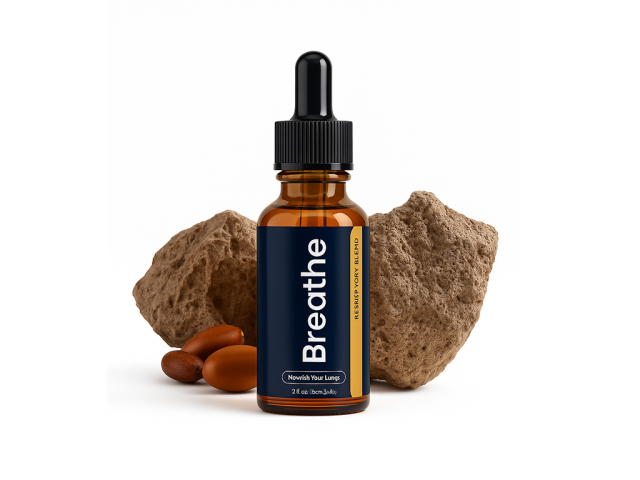
| 29 | Breathe Easy with Our Natural Respiratory Supplement! | View Product | Contains a blend of traditional botanicals and essential nutrients specifically chosen for ongoing respiratory and lung support. |
Key Takeaways
- No single food or supplement will 'detoxify' lungs overnight—consistent, daily choices matter most.
- Base your nutrition on antioxidant-rich produce, healthy fats, and optimal hydration for routine lung support.
- Supplements like “Breathe Easy” can help fill dietary gaps, especially when seeking traditional botanicals known for soothing and supporting the airways.
Useful information
- Disclaimer: This article contains affiliate links to products. We may receive a commission for purchases made through these links.
Related listings
-
Top Foods and Nutrients to Support Natural Lung DetoxificationFoods and Nutrients for Lung Detoxification
Maintaining healthy lungs is essential for overall well-being, as they provide oxygen to the body and filter out airborne toxins. Everyday exposure to pollutants, dust, smoke, and other irritants can tax the respiratory system. Prioritizing natural lung detoxification—mainly through diet and strategic supplementation—may help support the body's own...
-
Herbal and Nutrient Approaches to Everyday Lung CleanseFoods and Nutrients for Lung Detoxification
Caring for your lungs doesn’t require a dramatic detox or drastic dietary overhaul. Instead, everyday lung support revolves around wise nutrient intake, lifestyle choices, and strategic use of traditional herbs. This article clears up common myths, highlights evidence-based approaches, and offers practical routines to keep your lungs functioning op...
-
Simple Grocery Guide: Building a Lung-Friendly Food RoutineFoods and Nutrients for Lung Detoxification
Step-by-Step Grocery List for Lung Health and Natural Detox Creating a lung-supportive grocery routine focuses on choosing foods known for their anti-inflammatory, expectorant, and antioxidant properties. Here is a practical guide to help you shop with respiratory wellness in mind. Leafy Greens: (Spinach, kale, Swiss chard) – Provide antioxidants l...


Health supplements