How to Compare Supplements for Daily Routines for Brain and Nerve Supplement 49.00 $
- Location: United States
Comparing Supplements for Brain and Nerve Wellness
Choosing a supplement for daily support of brain and nerve health means looking at more than just a promising label. A careful comparison can help you select options tailored to your mental clarity, memory, mood, or focus goals, while prioritizing transparency and ingredient quality. Here’s how to evaluate these supplements effectively.
1. Key Ingredient Roles in Brain and Nerve Wellness
Focus on supplements that include ingredients with evidence-backed roles in supporting nerve cells, cognitive function, and overall brain performance. Typical ingredient categories include:
- Antioxidants (e.g., Vitamin E, polyphenols from teas or berries) that help protect nerve cells from oxidative stress.
- Essential fats (such as Omega-3 DHA) important for cell membrane health and brain structure.
- Vitamins and minerals (like magnesium and zinc) which support neurotransmitter balance and nerve signaling.
- Botanical extracts (such as Bacopa monnieri, Camellia sinensis) often included for their effects on memory, focus, and adaptation to occasional stress.
- Phytochemicals from foods like nuts, seeds, leafy greens, and spices (cinnamon) that provide a broad spectrum of support for neurons and cardiovascular flow.
| Ingredient | Role in Nerve & Brain Health |
|---|---|
| Omega-3 DHA | Supports neural structure and cognitive processing |
| Bacopa monnieri | Traditionally used for memory and learning support |
| Green tea extract (Camellia sinensis) | Provides polyphenols for antioxidant defense and gentle stimulation |
| Magnesium | Assists in nerve signaling and relaxation |
| Zinc | Supports brain cell communication and repair |
| Vitamin E | Protects nerve membranes from free radical damage |
| Nuts and Seeds | Supply healthy fats, minerals, and plant compounds for neuron health |
| Leafy Greens | Source of vitamins and antioxidants for nerve support |
| Cinnamon | Polyphenol-rich spice supporting blood flow and antioxidant status |
2. Evaluating Ingredient Amounts and Forms
Transparency about ingredient amounts and forms is essential for comparison. Check that the amounts used reflect those seen in clinical research or recommended intake levels. The form matters too—for example, Omega-3 as DHA or EPA, magnesium as citrate versus oxide, or green tea as standardized extract.
- Look for: Exact milligrams/micrograms of each ingredient on the label.
- Check: Whether the form is bioavailable and commonly used in effective studies.
- Note: Blends of nuts, seeds, and greens may increase diversity but should still offer clear ingredient breakdowns.
3. Product Category Fit for Your Routine
Supplements for brain and nerve support come in forms such as capsules, powders, and gummies. Consider:
- Your own daily schedule—do you prefer a once-daily tablet, or is a divided dose easier?
- Do the ingredient types fit your dietary needs (e.g., plant-based, avoiding allergens such as eggs or nuts)?
- Does the formula support your specific goal—such as focus, calm, memory, or comprehensive support?
4. Safety Checks
Responsible daily supplement use means ensuring that ingredients do not exceed safety thresholds, especially with minerals and fat-soluble vitamins. Watch for possible allergens (such as egg, nuts, or soy) if relevant to you. Third-party testing, allergen warnings, and clear manufacturer transparency are marks of a trustworthy product.
- Check for: Third-party certifications
- Review: Allergen information and potential interactions (especially if taking other supplements or medications)
5. Practical Buying Decision Points
When comparing, weigh both the quality of the overall formula and its fit for your needs:
- Is the ingredient mix broad yet focused on core brain/nerve functions?
- Does the supplement provide transparency and detailed labeling?
- Does it have a practical daily use routine that matches your preference (capsule, powder, etc.)?
- Is there a supportive product reputation or clear category alignment (such as in mental health)?
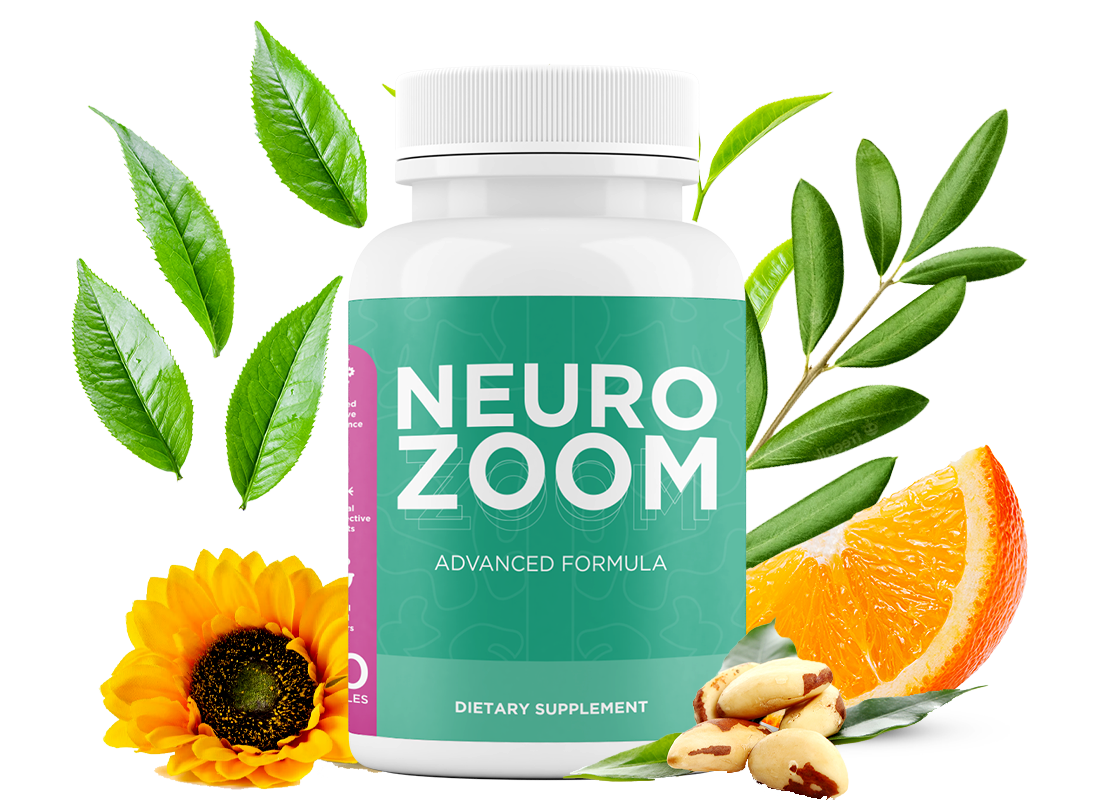
Real Example: NeuroZoom for Brain Wellness
NeuroZoom: Unlock Your Brains Full Potential Today is a supplement formulated for those aiming to support brain and nerve health in daily life. This product stands out for several reasons:
- Comprehensive ingredient profile: Includes zinc, magnesium, green tea extract, Bacopa monnieri, Vitamin E, nuts and seeds, leafy greens, and more—all ingredients relevant to brain function and antioxidant defense.
- Transparency: Ingredient amounts and common forms are stated, helping consumers make informed choices.
- Category fit: Clearly positioned within the mental health and nerve support space.
| Product ID | Product Name | Product Page URL | Why It Fits |
|---|---|---|---|
| 118 | NeuroZoom: Unlock Your Brains Full Potential Today | View Product | Formula combines essential nutrients, botanicals, and antioxidants for practical brain and nerve support routines. |
Routine Integration Examples
To use such supplements effectively in daily life:
- Pair your daily serving with breakfast or lunch to create a habit and support absorption of fat-soluble nutrients.
- Maintain a balanced diet rich in leafy greens, fatty fish, seeds, and berries alongside your supplement routine.
- Monitor how you feel over 2-4 weeks, staying aware of focus, memory, and overall mental energy as you evaluate the supplement’s fit in your routine.
Takeaways
- Brain and nerve health supplement comparison should be based on ingredient roles, amount and form transparency, clear category fit, and routine practicality.
- Ingredients such as omega-3 DHA, Bacopa monnieri, green tea extract, Vitamin E, magnesium, and plant foods like nuts and leafy greens are foundational.
- NeuroZoom offers a transparent, well-rounded ingredient list suited for mental wellness routines.
- Support best results with a consistent daily routine and a diet rich in whole, nutrient-dense foods.
Useful information
- Disclaimer: This article contains affiliate links to products. We may receive a commission for purchases made through these links.
Related listings
-
Building Brain-Friendly Routines: Daily Habits for Nerve SupportDaily Routines for Brain and Nerve Wellness
Understanding Brain-Healthy Daily Routines The brain and nervous system thrive on consistent care. Building brain-friendly daily routines means developing habits that nourish, protect, and refresh your cognitive functions. The benefits reach beyond clarity and memory—they support nerve wellness, mood stability, and even physical coordination. Pract...
-
Smart Grocery Shopping for Brain and Nerve WellnessDaily Routines for Brain and Nerve Wellness
Grocery List Framework for Brain and Nerve Support Maintaining cognitive and nerve wellness starts in the kitchen. Research supports that certain foods nourish the brain, provide key nutrients for nerve signaling, and help protect against oxidative stress. Here’s an example brain-friendly grocery list to make smarter choices: Leafy Greens: Spinach,...
-
The Role of Omega-3s and Antioxidants in Daily Brain WellnessDaily Routines for Brain and Nerve Wellness
Science-Backed Benefits of Omega-3s and Antioxidants for Brain Health Omega-3 fatty acids and antioxidants play key roles in supporting brain and cognitive wellness. Research shows that omega-3s—especially DHA (docosahexaenoic acid)—are essential building blocks for nerve cell membranes, supporting memory, focus, and healthy nerve signaling. Antiox...


Health supplements