Foods That Promote Better Sleep: Key Ingredients & Checklist Supplement 39.00 $
- Location: United States
Understanding the Role of Food in Sleep Support
Sleep quality can be influenced by what you eat. Certain foods and food-based nutrients play roles in regulating the sleep-wake cycle, calming the mind, easing muscle tension, or supporting the production of neurotransmitters that encourage restful sleep. This makes ingredient labels and formula categories important considerations for anyone comparing supplements for sleep support.
Key Nutrient and Ingredient Categories for Sleep
- Amino Acids & Precursors: Ingredients such as L-tryptophan and 5-HTP are building blocks for serotonin and melatonin, both central to sleep regulation.
- Neurotransmitter Balancers: GABA and L-theanine support calm and relaxation, helping prepare the body for sleep.
- Hormone Support: Melatonin is a naturally occurring sleep hormone often featured in sleep supplements.
- Essential Minerals: Magnesium and calcium are critical for muscle relaxation and nerve signaling, contributing to steadier sleep cycles.
- Botanical Calmers: Herbal ingredients like lemon balm, chamomile, and valerian root are chosen for their gentle relaxing properties.
- Food-Based Sources: Foods like spinach, eggs, oats, almonds, yogurt, and bananas naturally supply some sleep-related nutrients in a familiar whole-food matrix.
Ingredient Table: Foods & Nutrients for Sleep
| Ingredient | Sleep-Supporting Role | Example Food Source |
|---|---|---|
| L-Tryptophan | Precursor to serotonin & melatonin | Eggs, turkey, oats |
| Magnesium | Supports relaxation & nerve function | Spinach, almonds |
| Melatonin | Regulates sleep-wake cycle | Small amounts found in oats, eggs |
| L-Theanine | Calms the mind, supports relaxation | Tea leaves |
| Lemon Balm | Promotes calmness and ease | Herbal tea, supplement form |
| 5-HTP | Serotonin precursor for mood and sleep | Supplement form only |
| Yogurt (Probiotics) | Supports gut health, linked to sleep quality | Fermented dairy |
| Oats | Provides tryptophan and magnesium | Whole grains, oatmeal |
| Banana | Source of potassium and magnesium | Fruit |
What to Compare When Choosing a Sleep Supplement
- Key Ingredients: Does it include amino acids, minerals, and botanicals linked to relaxation and sleep?
- Ingredient Source: Are nutrients from recognizable, wholesome foods or reputable supplement forms?
- Formula Transparency: Are all ingredients clearly labeled with specific amounts?
- Label Category: Is the formula focused on sleep and relaxation, or is it a generic blend?
- Allergen & Additive Information: Does the product fit dietary or allergy needs (dairy, soy, gluten, etc.)?
Routine Use & Practical Examples
In practice, you can support your sleep routine by:
- Eating foods naturally rich in magnesium, tryptophan, or probiotics—such as a small bowl of yogurt with oats before bedtime.
- Choosing a sleep supplement that includes an optimal blend of the most effective sleep-support nutrients, like L-theanine, magnesium, and botanical extracts.
- Reading the supplement label to ensure the formula addresses multiple pathways of sleep support—calming the mind, easing muscles, and encouraging natural sleep hormones.
How Supplement Formulas Fit a Sleep-Supporting Diet
Supplements can conveniently deliver higher, consistent doses of nutrients found in sleep-supportive foods. Some sleep supplements combine several evidence-based ingredients in one formula, which can be practical if you are looking to cover multiple bases at once (relaxation, hormone support, mineral balance, etc.).
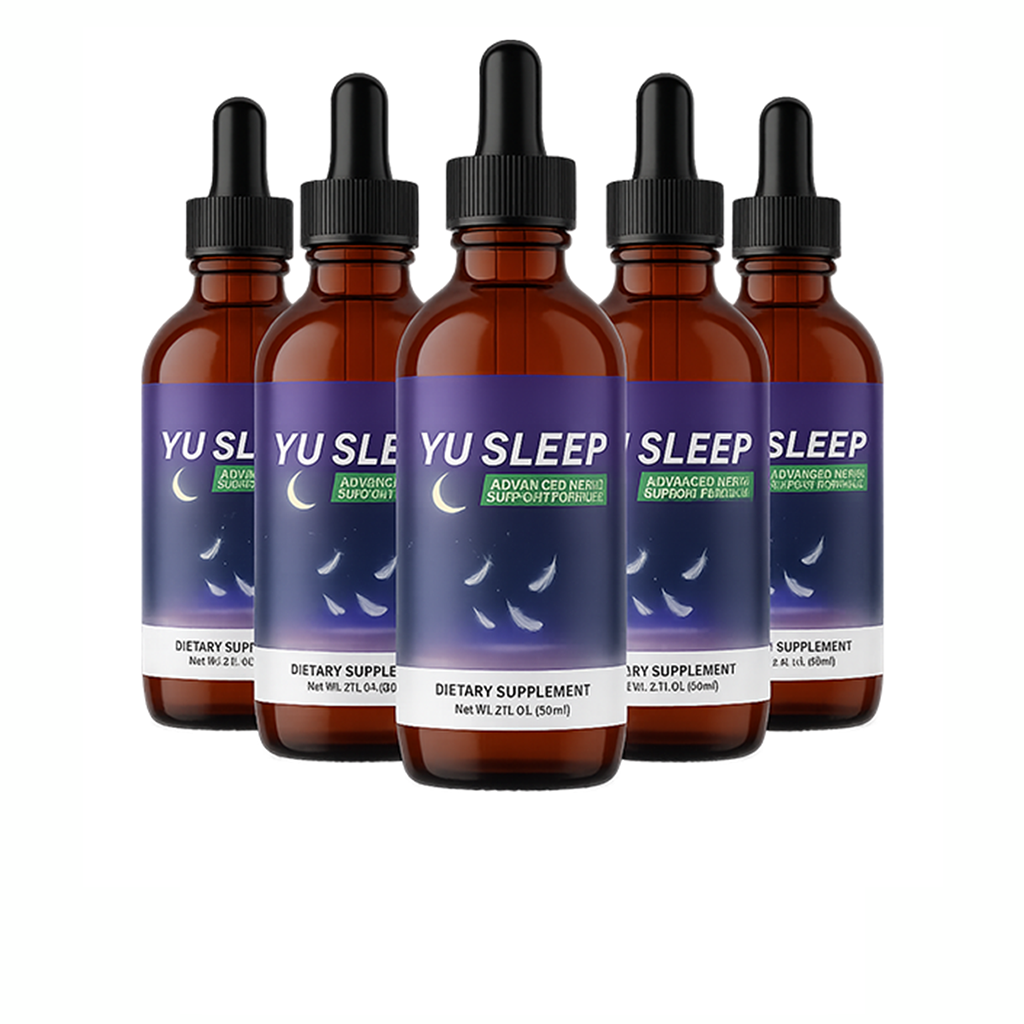
Matched Product: Yu Sleep – Ingredient Synergy
Yu Sleep: Experience Deep, Restful Sleep Tonight is an example of a modern sleep supplement formula containing:
- Magnesium (muscle relaxation)
- L-Theanine (calming amino acid)
- Lemon Balm (botanical calm)
- Melatonin (sleep hormone)
- 5-HTP (serotonin precursor)
- Spinach, Yogurt, Eggs, Oats, Banana (real food extracts)
This combination targets relaxation, supports natural hormone rhythms, and includes both plant- and food-derived nutrients. It fits well as a bridge between a whole-food sleep-supporting diet and a focused, transparent supplement routine.
Related Product Table
| Product ID | Product Name | Product Page URL | Why it fits |
|---|---|---|---|
| 36 | Yu Sleep: Experience Deep, Restful Sleep Tonight | View Product | Features multiple food-based and clinically recognized sleep nutrients—ideal for comprehensive support. |
Takeaways
- Sleep-friendly diets can be bolstered with targeted ingredients like amino acids, minerals, botanicals, and probiotics.
- Checking supplement labels for transparent ingredient sourcing and dose can help shoppers select what fits best in their routine.
- Products such as Yu Sleep represent the fusion of scientific ingredient selection and practical whole-food extracts for real-world relaxation and healthy sleep habits.
Useful information
- Disclaimer: This article contains affiliate links to products. We may receive a commission for purchases made through these links.
Related listings
-
Foods That Promote Better Sleep: The Science and ChoicesFoods That Promote Better Sleep
The Link Between Food and Sleep Quality Good sleep is not just about bedtime routines—what you eat during the day and especially in the evening can significantly impact your ability to fall and stay asleep. Scientific evidence shows that certain nutrients and bioactive compounds in food help regulate sleep hormones and neurotransmitters, providing ...
-
Bedtime Snacks That Help You Sleep: What to Eat for a Restful NightFoods That Promote Better Sleep
Why Your Evening Snack Matters for Sleep Struggling to unwind at bedtime? The right evening snack can support relaxation and ease your transition into restful sleep. Researchers have found that meals or snacks containing calming nutrients can influence the hormones and neurotransmitters your body uses to help you fall asleep and stay asleep. Key Nu...
-
The Role of Magnesium-Rich Foods in Sleep QualityFoods That Promote Better Sleep
Understanding Magnesium’s Impact on Sleep Patterns Magnesium is an essential mineral that plays a role in hundreds of bodily processes, including nerve signaling, muscle relaxation, and stress regulation. Evidence points to its influence on sleep quality, as magnesium helps regulate neurotransmitters and hormones—such as melatonin and GABA—that sig...


Health supplements