Understanding Soluble and Insoluble Fiber for Appetite Control Supplement 39.00 $
- Location: United States
Soluble vs. Insoluble Fiber: Definitions and Core Functions
Dietary fiber is an indigestible carbohydrate found in plant foods. There are two primary types:
- Soluble Fiber: Dissolves in water, forming a gel-like substance in the digestive tract. This slows down digestion and helps regulate appetite by increasing feelings of fullness.
- Insoluble Fiber: Does not dissolve in water; it adds bulk to stool and speeds food passage through the gut, supporting regularity and digestive comfort.
Both types are essential—they function a bit differently but often come together in whole foods.
Foods High in Soluble and Insoluble Fiber
| Food | Type of Fiber | Examples |
|---|---|---|
| Oats | Mostly Soluble (beta-glucan) | Oatmeal, oat bran |
| Chia Seeds | High in Soluble | Pudding, mixed in yogurt |
| Berries | Both | Blueberries, raspberries, strawberries |
| Chickpeas | Both | Roasted snacks, cooked legumes |
| Avocado | Both | Sliced, mashed, guacamole |
| Nuts (Almonds, Walnuts) | Mostly Insoluble | Nut butter, trail mix |
| Greek Yogurt (with added fiber) | Variable, check label | Yogurt parfaits |
| Tofu | Some Insoluble | Stir-fries, bowls |
| Vegetables | Both | Carrots, broccoli, leafy greens |
| Whole grains | Both | Brown rice, barley, whole wheat |
How Fiber Types Reduce Snacking and Support Satiety
Fiber has an important role in keeping you feeling full, which can help curb unnecessary snacking. Here’s how each type works:
- Soluble fiber absorbs water and expands in the stomach, slowing digestion. This sends fullness signals to the brain and helps moderate blood sugar swings that often trigger cravings.
- Insoluble fiber increases bulk in the gut, making you feel physically satisfied. It helps move food efficiently, supporting digestive comfort (which in itself can help reduce "hunger confusion").
By regularly consuming both, you help naturally control appetite during meals and throughout the day.
Grocery Shopping Tips: Choosing Fiber-Rich Foods
- Read nutrition labels: Seek products with at least 3g fiber per serving.
- Favor whole plant foods: Fruits, vegetables, legumes, and whole grains offer a mix of fiber types.
- Try new sources: Snack on roasted chickpeas, sprinkle chia seeds into meals, use oats or oat bran in baking, and add avocado to sandwiches.
- Opt for less processed options: The less refined a product, the more fiber it usually retains.
- Slowly increase fiber: To prevent digestive upset, add fiber-rich foods gradually and drink more water.
Fiber in Supplements: Ingredient and Label Context
If food supply or routine makes it difficult to meet fiber needs or appetite goals, supplements can provide a concentrated source. Commonly used fiber ingredients in appetite-support formulas include:
- Glucomannan (Konjac root fiber): A water-soluble fiber forming a gel to promote lasting fullness.
- Inulin (Chicory root): A prebiotic fiber supporting healthy digestion and gut balance.
- Seeds and nuts (e.g., chia, almonds): Provide a natural blend of both fiber types, offering texture and satiety.
- Berries and oats: Source soluble fibers that thicken and help manage hunger.
Look for fiber amounts per serving, dietary compatibility, and the mix of specific plant sources on the supplement label.
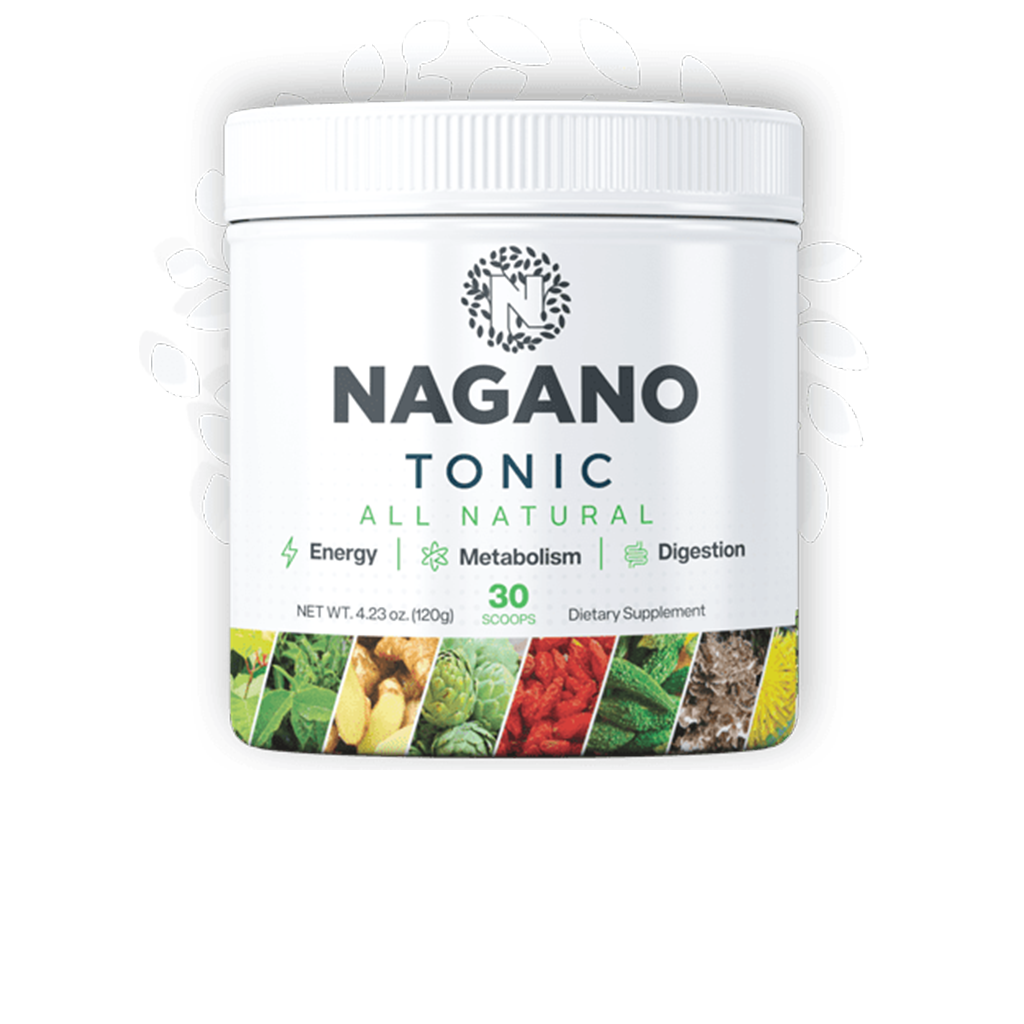
Related Product Example: Nagano Tonic
Nagano Tonic: Boost Metabolism, Minimize Cravings, and Support Weight Loss is a supplement formulated for weight management, designed to target appetite and cravings through the combined action of both soluble and insoluble fiber sources. Its label includes ingredients such as konjac glucomannan, chia seeds, chicory root inulin, almonds, roasted chickpeas, and berries—all of which supply distinct types of fiber that expand in the digestive tract to support satiety, while offering additional nutritive and digestive benefits. This synergistic blend is aimed at helping users bridge dietary gaps and strengthen appetite control when whole food choices alone are not enough.
Ingredient Table: Fiber-Rich Foods for Appetite Control
| Ingredient | Fiber Type | Why It Fits Appetite Control |
|---|---|---|
| Konjac Glucomannan | Soluble | Expands in the stomach, promotes fullness, slows digestion. |
| Chicory Root Inulin | Soluble | Feeds beneficial gut bacteria; helps support fullness and digestion. |
| Chia Seeds | Soluble/Both | Forms gel-like matrix; helps delay stomach emptying for sustained satiety. |
| Almonds | Insoluble/Both | Provide bulk and crunch to meals and snacks, increasing satisfaction. |
| Berries | Soluble/Both | Fiber and antioxidants, add thickness and fullness in smoothies, bowls. |
| Roasted Chickpeas | Both | Crunchy, portable snack with combined fiber types and protein. |
| Oats | Soluble | Beta-glucan fiber slows digestion, increases post-meal fullness. |
Related Product Table
| Product ID | Product Name | Product Page URL | Why It Fits |
|---|---|---|---|
| 51 | Nagano Tonic: Boost Metabolism, Minimize Cravings, and Support Weight Loss | View Product | Combines multiple soluble and insoluble fiber sources (glucomannan, inulin, chia, nuts, berries, chickpeas) for appetite support. |
Key Takeaways
- Soluble and insoluble fiber both support fullness and reduce tendencies to over-snack, but do so through different mechanisms in the gut.
- Practical fiber-rich food choices include oats, chia seeds, berries, nuts, beans, and avocados.
- When food variety or intake is insufficient, a fiber supplement blending both types—such as Nagano Tonic—may provide comprehensive appetite control support.
- Routine use of both fiber forms, through whole foods and/or quality supplements, is a practical way to support regular appetite, digestive wellness, and overall healthy eating habits.
Useful information
- Disclaimer: This article contains affiliate links to products. We may receive a commission for purchases made through these links.
Related listings
-
Top Fiber-Rich Foods to Curb Hunger and Support Weight ManagementFiber-Rich Foods for Appetite Control
Fiber is a key nutrient when it comes to controlling appetite and supporting healthy weight management. High-fiber foods slow digestion, enhance feelings of fullness, and make it easier to maintain balanced eating habits throughout the day. This article explores the most effective fiber-rich foods, explains how they help with satiety, and offers ti...
-
How Fiber-Rich Diets Naturally Reduce Cravings and OvereatingFiber-Rich Foods for Appetite Control
The Biological Role of Fiber in Appetite Control Dietary fiber is a type of carbohydrate that the human body cannot fully digest. Instead, fiber passes through the digestive tract, where it plays a powerful role in regulating appetite. When you eat fiber-rich foods, the fiber absorbs water and swells in the stomach, slowing the overall digestion pr...
-
High-Fiber Breakfast Ideas to Start the Day SatisfiedFiber-Rich Foods for Appetite Control
If you want to stay full and energized throughout the morning, building breakfast with rich fiber sources is a smart move. Fiber slows digestion and helps you feel satisfied, which can make it easier to manage cravings and maintain a healthy weight. Here’s how to start your day with high-fiber breakfast choices, plus how fiber ingredients appear in...


Health supplements