Probiotics vs. Prebiotics: What’s the Difference and Why Do You Supplement Free
- Location: United States
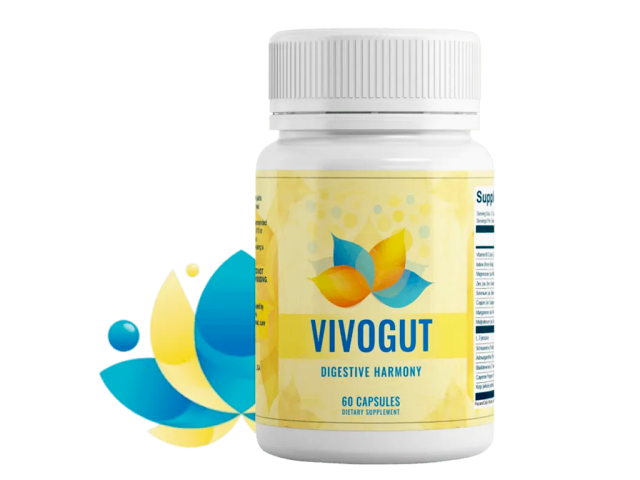
Probiotics and prebiotics are popular terms in the world of gut health, but many people aren’t sure how they differ or why both are important. Understanding the distinction and synergy between these two can help support optimal digestive wellness, whether through food or supplements.
Probiotics vs. Prebiotics: The Key Differences
- Probiotics are live beneficial bacteria—like Lactobacillus and Bifidobacterium—found in certain foods and supplements. They help maintain a healthy balance of gut microbes.
- Prebiotics are types of non-digestible fibers (such as inulin, FOS, and resistant starch) that serve as food for your body’s beneficial bacteria, encouraging their growth and diversity.
| Aspect | Probiotics | Prebiotics |
|---|---|---|
| Definition | Live good bacteria | Non-digestible fibers that feed good bacteria |
| Main Sources | Yogurt (with live cultures), kimchi, sauerkraut, kefir, miso | Chicory root inulin, oats, bananas, garlic, onions, apple pectin |
| Main Function | Promote gut microbe balance | Fuel beneficial microbes |
| Food Label Example | "Live & active cultures" | "Prebiotic fiber" or "inulin" |
Comparative Table: Food Sources and Their Benefits
| Food Source | Type | Main Benefit |
|---|---|---|
| Yogurt (live cultures) | Probiotic | Delivers beneficial bacteria directly to the gut |
| Kimchi & sauerkraut | Probiotic | Supplies diverse probiotic strains for gut balance |
| Kefir | Probiotic | High probiotic content, may support digestion and regularity |
| Chicory root inulin | Prebiotic | Supports growth of good bacteria |
| Oats (beta-glucan) | Prebiotic | Feeds gut microbes and promotes regularity |
| Banana (especially unripe) | Prebiotic | Contains resistant starch and inulin for microbial nourishment |
| Apple pectin | Prebiotic | Gel-forming fiber that supports digestive comfort and microbial health |
Balanced Meal Examples with Probiotics & Prebiotics
- Breakfast: Live-culture yogurt topped with sliced banana and chia seeds.
- Lunch: Salad greens with a kimchi and roasted chickpea bowl, featuring a side of oat crackers.
- Snack: Fresh apple slices (pectin) with a serving of kefir.
- Dinner: Stir-fry with garlic, onions (prebiotics), lentils, and a side of sauerkraut (probiotic).
The Synergy: Why Combine Probiotics and Prebiotics?
Pairing probiotics with prebiotics—creating what’s called a synbiotic effect—enhances their benefits for digestive wellness. Prebiotics serve as "fuel" that helps probiotic bacteria thrive once they reach your gut. A diet rich in both types supports microbial diversity, comfort, and regularity much more effectively than either alone.
Convenient Supplement Support: Synbiotic Formulas
While you can build balanced meals, supplementing with a dual probiotic/prebiotic product can make comprehensive gut support easier, especially for busy lifestyles. When looking for a supplement, check for both live probiotic strains and well-studied prebiotic fibers (like inulin, FOS, or apple pectin).
For example, VivoGut: Your Ultimate Digestive Health Solution provides both live probiotics and prebiotic fibers—such as inulin and apple pectin—within one convenient formula. Its ingredient blend (including magnesium citrate, ginger, kimchi/sauerkraut, and more) delivers comprehensive support for gut balance and digestive comfort.
Related Product Table
| Product ID | Product Name | Product Page URL | Why It Fits |
|---|---|---|---|
| 222 | VivoGut: Your Ultimate Digestive Health Solution | View Product | Multi-ingredient synbiotic formula supporting gut health; provides both probiotics and prebiotic fibers |
Key Takeaways
- Probiotics (live good bacteria) and prebiotics (the fiber that feeds them) work together to support a healthy gut.
- Many foods offer one or the other, but the greatest synergy comes from combining both in your routine.
- Balanced meals and snacks can pair probiotic-rich foods with prebiotic fibers for daily support.
- Synbiotic supplements like VivoGut: Your Ultimate Digestive Health Solution provide a convenient all-in-one option for busy lifestyles.
Useful information
- Disclaimer: This article contains affiliate links to products. We may receive a commission for purchases made through these links.
Related listings
-
Top Probiotic and Prebiotic Foods for a Healthier GutProbiotic and Prebiotic Foods Guide
A thriving gut microbiome is vital for digestion, immune support, and overall wellbeing. Two of the main drivers for a healthy gut are probiotics—friendly bacteria found in certain foods—and prebiotics, which are special fibers that nourish those bacteria. Understanding these nutrients and where to find them can help you build a foundation for bett...
-
How to Incorporate Prebiotic Foods Into Your DietProbiotic and Prebiotic Foods Guide
What Are Prebiotics and Why Are They Important? Prebiotics are naturally occurring dietary fibers and plant compounds that serve as food for the beneficial bacteria in your gut. Unlike probiotics, which are live bacteria, prebiotics are the fuel that helps these microbes thrive. By supporting a healthy gut environment, prebiotics play a key role in...
-
Fermented Foods: The Probiotic Powerhouses for Your GutProbiotic and Prebiotic Foods Guide
Why Fermented Foods Are Key to Gut Health Fermented foods—like kimchi, sauerkraut, live-culture yogurt, miso, and kefir—have been cherished across many cultures for their unique flavors and wellness support. These foods are packed with naturally occurring probiotics, which play a pivotal role in maintaining a healthy gut microbiome and digestive co...


Health supplements