Fermented Foods: The Probiotic Powerhouses for Your Gut Supplement 49.00 $
- Location: United States
Why Fermented Foods Are Key to Gut Health
Fermented foods—like kimchi, sauerkraut, live-culture yogurt, miso, and kefir—have been cherished across many cultures for their unique flavors and wellness support. These foods are packed with naturally occurring probiotics, which play a pivotal role in maintaining a healthy gut microbiome and digestive comfort.
How Fermentation Creates Probiotics
Fermentation is a natural preservation process in which beneficial bacteria or yeast break down sugars and starches in food. This process not only adds distinct tangy flavors but also cultivates live microbes known as probiotics. These good bacteria, such as species from the Lactobacillus and Bifidobacterium genera, help balance the gut ecosystem.
| Fermented Food | Main Source of Probiotics | Common Uses |
|---|---|---|
| Kimchi | Lactic acid bacteria | Side dish, rice bowls, stir-fries |
| Sauerkraut | Lactic acid bacteria | Toppings, salads, sandwiches |
| Live-culture yogurt | Lactobacillus, Bifidobacterium | Breakfast, smoothies, parfaits |
| Kefir | Kefir grains (varied bacteria and yeast) | Drinks, dressings |
| Miso | Aspergillus oryzae & beneficial bacteria | Soups, sauces, marinades |
Practical Ways to Add Fermented Foods to Daily Meals
- Breakfast: Add a spoonful of sauerkraut or kimchi to grain bowls or enjoy live-culture yogurt with fruit and oats.
- Lunch: Layer sauerkraut on sandwiches or toss kimchi into salads for a spicy kick.
- Dinner: Stir miso paste into soup just before serving, or top tacos with a cabbage-fermented slaw.
- Snacks: Enjoy a small bowl of kefir or a yogurt-based dip with veggies.
Ingredient Spotlight: Why These Matter
| Ingredient | Description | Role in Gut Health |
|---|---|---|
| Kimchi & Sauerkraut | Fermented cabbages with lactic acid bacteria | Promote diverse gut microbiota |
| Live-Culture Yogurt | Dairy with live probiotic cultures | Supports regularity & balance |
| Inulin | Plant-based prebiotic fiber | Feeds beneficial bacteria |
| Apple Pectin | Soluble fiber from apples | Fuels probiotic growth |
| Ginger | Spice supporting digestive comfort | Helps soothe digestion |
When Supplementation Might Be Helpful
While eating a variety of fermented foods daily is ideal, it may not always be practical due to taste preferences, dietary restrictions, or lack of access. In these cases, a targeted probiotic and prebiotic supplement can help bridge the gap. Quality supplements often combine multiple strains of probiotics with ferment-based powders or fiber sources like inulin and apple pectin to mimic the functional benefits of real fermented foods.
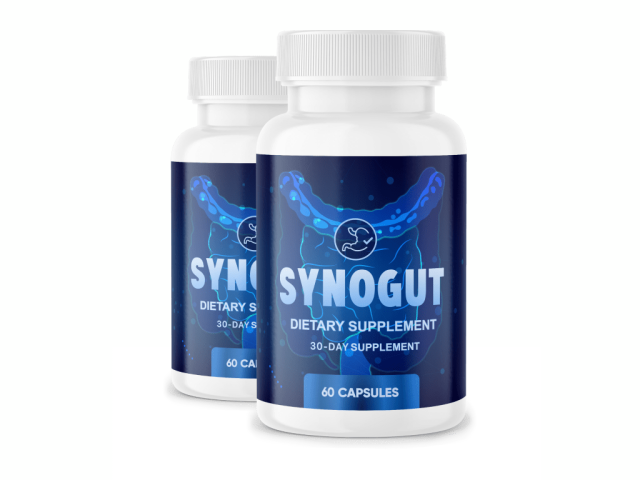
Related Supplement Product: SynoGut
If you’re looking to fill in probiotic or fermented food gaps, SynoGut: Your Natural Solution for Gut Health! is formulated to support digestive wellness. It blends probiotics, the prebiotics inulin and apple pectin, ginger, and supporting phytonutrients found in natural fermented foods. This product fits squarely within the Gut & Digestive Health category, and its ingredient profile is designed to encourage a balanced gut environment similar to that supported by a diet rich in fermented and prebiotic foods.
| Product ID | Product Name | Product Page URL | Why It Fits |
|---|---|---|---|
| 75 | SynoGut: Your Natural Solution for Gut Health! | View Product | Blends probiotics, prebiotics, and phytonutrients, supporting gut health similarly to fermented foods. |
Takeaways
- Including a mix of naturally fermented foods in your regular meals provides live probiotics to support digestive and microbiome balance.
- Probiotics from fermentation are complemented by prebiotic fibers such as inulin and apple pectin, nourishing healthy gut bacteria.
- If fermented foods are not always feasible, supplements that combine probiotics and ferment-supportive nutrients like those in SynoGut can serve as a valuable addition to your gut health routine.
Useful information
- Disclaimer: This article contains affiliate links to products. We may receive a commission for purchases made through these links.
Related listings
-
Top Probiotic and Prebiotic Foods for a Healthier GutProbiotic and Prebiotic Foods Guide
A thriving gut microbiome is vital for digestion, immune support, and overall wellbeing. Two of the main drivers for a healthy gut are probiotics—friendly bacteria found in certain foods—and prebiotics, which are special fibers that nourish those bacteria. Understanding these nutrients and where to find them can help you build a foundation for bett...
-
How to Incorporate Prebiotic Foods Into Your DietProbiotic and Prebiotic Foods Guide
What Are Prebiotics and Why Are They Important? Prebiotics are naturally occurring dietary fibers and plant compounds that serve as food for the beneficial bacteria in your gut. Unlike probiotics, which are live bacteria, prebiotics are the fuel that helps these microbes thrive. By supporting a healthy gut environment, prebiotics play a key role in...

-
Probiotics vs. Prebiotics: What’s the Difference and Why Do YouProbiotic and Prebiotic Foods Guide
Probiotics and prebiotics are popular terms in the world of gut health, but many people aren’t sure how they differ or why both are important. Understanding the distinction and synergy between these two can help support optimal digestive wellness, whether through food or supplements. Probiotics vs. Prebiotics: The Key Differences Probiotics are liv...


Health supplements