Modern Lifestyle, Gut Health, and the Role of Prebiotic/Probiotic Supplement 49.00 $
- Location: United States
Modern life comes with plenty of convenience—but also significant challenges for digestive and gut health. The demands of stressful work, frequent travel, and ready access to highly processed foods can disrupt the balance of the gut microbiome, which plays a key role in overall well-being.
How Modern Stressors Impact Gut Health
Factors such as chronic stress, irregular routines, and diets high in refined sugars and low in fiber can shift the composition of gut bacteria. Common issues include:
- Chronic Stress: Triggers changes in the gut-brain axis, often leading to digestive discomfort and altered gut flora.
- Travel and Jet Lag: Disrupts meal timing and sleep, disturbing both digestion and microbiome rhythms.
- Processed Foods: These are typically low in fiber and prebiotics, while often containing emulsifiers and additives that may negatively affect gut bacteria.
Prioritizing Probiotic and Prebiotic Food Choices in Busy Routines
Integrating gut-friendly foods is achievable even in a fast-paced lifestyle. Both prebiotic and probiotic foods should have a place in the weekly menu:
- Prebiotics—"Food for Good Bacteria": Seek soluble fibers found in foods such as bananas (resistant starch, FOS), chicory root (inulin), oats (beta-glucan), cooked vegetables, and apples (pectin).
- Probiotics—"Live Friendly Bacteria": Aim to include servings of live-culture yogurt, fermented vegetables like kimchi and sauerkraut, or kefir a few times per week.
Example snack routine: an afternoon bowl of live-culture yogurt with sliced banana, or overnight oats topped with berries and seeds.
Table: Common Prebiotic and Probiotic Food Sources
| Category | Examples |
|---|---|
| Prebiotic Foods | Banana, chicory root, apples, oats, cooked vegetables |
| Probiotic Foods | Live-culture yogurt, kefir, kimchi, sauerkraut, miso |
Smart Strategies for Eating Out or On the Go
- Choose simple sides: Add a side salad, roasted vegetables, or whole fruit to restaurant meals.
- Select fermented toppings: Opt for menu items with sauerkraut, kimchi, or pickles when available.
- Travel snacks: Pack yogurt cups, roasted chickpeas, or oat-based snack bars for gut-friendly options away from home.
- Hydrate: Staying hydrated supports fiber’s digestive effects; boost fluid intake during travel.
When Supplementation Is Practical
Supplemental support can help fill gaps, especially if diet is inconsistent due to travel or busy routines. Products in the gut and digestive health category often blend prebiotic fibers and probiotics for synergy.
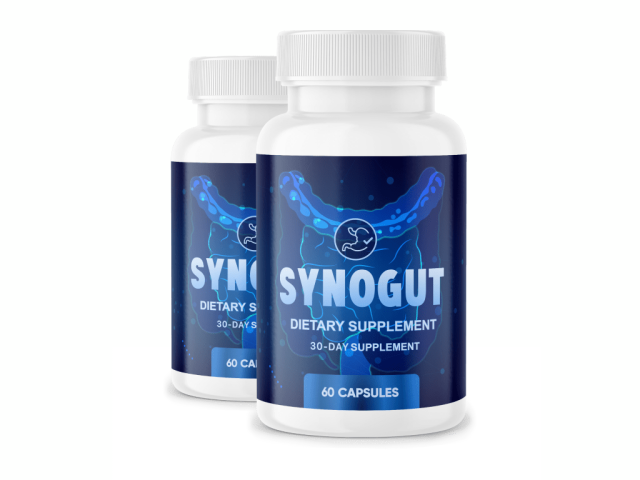
SynoGut: Your Natural Solution for Gut Health! is formulated for modern digestive needs. Its blend includes:
- Prebiotic fibers (inulin, apple pectin, oats) to feed good bacteria
- Probiotics to help restore microbiome balance
- Additional digestive botanicals (ginger, slippery elm bark, aloe vera, black walnut hull) for gentle comfort and support
- Banana extract and cooked vegetables which further contribute prebiotic activity
This supplement is particularly useful for those who experience unpredictable meal schedules, frequent travel, or struggle to consistently include a range of plant-based foods and fermented options in their diets.
Ingredient Table: SynoGut Formula and Gut Health
| Ingredient | Role in Gut Health |
|---|---|
| Apple Pectin | Soluble fiber that acts as a prebiotic and supports regularity |
| Inulin | Feeds friendly gut bacteria for improved microbiome balance |
| Oats | Rich in beta-glucans, a gentle prebiotic fiber |
| Probiotics | Provide live beneficial bacteria |
| Ginger | Traditionally used to ease mild digestive discomfort |
| Slippery Elm Bark | Soothes and supports the digestive tract |
| Aloe Vera | Known for its hydrating, gentle soothing effects |
| Black Walnut Hull | Supports digestive wellness and natural intestinal balance |
| Banana | Provides resistant starch and FOS for prebiotic effect |
| Cooked Vegetables | Additional prebiotic fiber source |
Related Product Table
| Product ID | Product Name | Product Page URL | Why It Fits |
|---|---|---|---|
| 75 | SynoGut: Your Natural Solution for Gut Health! | View Product | Comprehensive blend of prebiotic fibers, probiotics, and gut-focused botanicals for support during modern, inconsistent routines |
Takeaways for Modern Gut Wellness
- Frequent stress, travel, and processed foods challenge gut balance—make intentional food choices daily.
- Even busy lifestyles allow room for prebiotic and probiotic foods with some planning.
- Eating out or travel doesn’t have to mean neglecting your microbiome; choose fiber-rich, fermented, or minimally processed options when possible.
- Supplements like SynoGut provide practical support when (or where) diet falls short.
Prioritizing gut health with both food and smart supplementation is a sustainable approach for supporting your overall well-being in today’s fast-paced world.
Useful information
- Disclaimer: This article contains affiliate links to products. We may receive a commission for purchases made through these links.
Related listings
-
Top Probiotic and Prebiotic Foods for a Healthier GutProbiotic and Prebiotic Foods Guide
A thriving gut microbiome is vital for digestion, immune support, and overall wellbeing. Two of the main drivers for a healthy gut are probiotics—friendly bacteria found in certain foods—and prebiotics, which are special fibers that nourish those bacteria. Understanding these nutrients and where to find them can help you build a foundation for bett...
-
How to Incorporate Prebiotic Foods Into Your DietProbiotic and Prebiotic Foods Guide
What Are Prebiotics and Why Are They Important? Prebiotics are naturally occurring dietary fibers and plant compounds that serve as food for the beneficial bacteria in your gut. Unlike probiotics, which are live bacteria, prebiotics are the fuel that helps these microbes thrive. By supporting a healthy gut environment, prebiotics play a key role in...
-
Probiotics vs. Prebiotics: What’s the Difference and Why Do YouProbiotic and Prebiotic Foods Guide
Probiotics and prebiotics are popular terms in the world of gut health, but many people aren’t sure how they differ or why both are important. Understanding the distinction and synergy between these two can help support optimal digestive wellness, whether through food or supplements. Probiotics vs. Prebiotics: The Key Differences Probiotics are liv...


Health supplements