Probiotic and Prebiotic Foods Guide: Key Ingredients & Product Supplement 39.00 $
- Location: United States
Understanding Probiotics and Prebiotics
Gut health is foundational to overall well-being. Two key ingredient groups—probiotics and prebiotics—work together to support a balanced digestive system. By understanding their roles and sources, you can make informed choices in both diet and supplements.
What are Probiotics?
Probiotics are live beneficial bacteria that help maintain a healthy balance in your gut microbiome. These microorganisms can be found naturally in fermented foods, such as yogurt, kimchi, and sauerkraut. Diets rich in probiotics may support digestive comfort and overall gut balance.
What are Prebiotics?
Prebiotics are fibers or compounds that feed your beneficial gut bacteria. Unlike probiotics, prebiotics aren’t living organisms, but they encourage the natural growth of healthy bacteria in your digestive tract. Common prebiotics include inulin (from chicory root), fructooligosaccharides (FOS), and resistant starches (like those in green bananas and oats).
Key Ingredient Categories for Gut Health
Explore the relevant ingredient categories for gut-supportive foods and supplements:
| Ingredient | Category | Role in Gut Health | Common Food Sources |
|---|---|---|---|
| Lactobacillus, Bifidobacterium | Probiotic | Restore and maintain healthy gut microflora | Yogurt, kefir, fermented vegetables |
| Inulin | Prebiotic fiber | Feeds beneficial gut bacteria | Chicory root, onions, garlic |
| Fructooligosaccharides (FOS) | Prebiotic fiber | Promotes healthy digestion | Bananas, asparagus, leeks |
| Beta-glucan | Prebiotic fiber | Supports immune and digestive health | Oats, barley, mushrooms |
| Polyphenols | Plant compounds | Provide antioxidant support to gut cells | Berries, artichokes, cocoa |
| Slippery Elm Bark, Licorice Root, Milk Thistle, Turmeric | Botanicals/Herbs | Sooth digestive tract, support balance | Herbal teas, supplements |
What To Compare in Probiotic & Prebiotic Supplements
- Strain Specificity: For probiotics, check which strains (e.g., Lactobacillus acidophilus) and their CFU (colony-forming units) count.
- Fiber Type and Dose: For prebiotics, look for specific fibers (like inulin or FOS) and their amounts per serving.
- Complementary Botanicals: Some formulas add herbal ingredients (dandelion, artichoke, slippery elm) for broad gut support.
- Label Transparency: Quality supplements list full ingredient sources, serving sizes, and manufacturing details.
Everyday Probiotic & Prebiotic Food Examples
- Live-culture yogurt with active strains
- Raw or cooked sauerkraut and kimchi
- Whole grains: oats, barley (beta-glucan source)
- Bananas (for both fiber and FOS)
- Chicory root and garlic (rich in inulin)
- Herbal teas with licorice, dandelion, or slippery elm
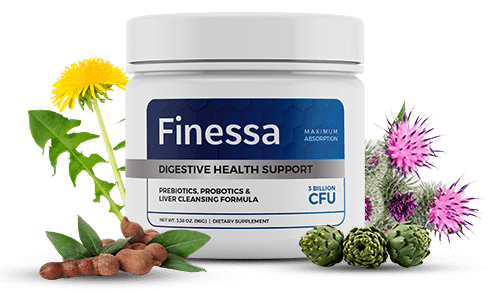
Supplement Example: Finessa for Gut & Digestive Health
If you’re seeking an advanced supplement, Finessa: Enhance Your Health and Wellness Today combines both major types of gut-supportive ingredients:
- Probiotic Complex for balanced microbiome
- Prebiotic Fibers like inulin and FOS to feed healthy bacteria
- Herbal botanicals, including slippery elm bark, dandelion (Taraxacum), artichoke (Cynara Scolymus), milk thistle, and turmeric, all recognized for their digestive and gut balance benefits
- Full-spectrum formula: brings multiple gut-supportive mechanisms in one label
This blend makes Finessa well-suited for anyone comparing advanced gut health supplements by ingredient diversity and label transparency.
Related Product Table
| Product ID | Product Name | Product Page URL | Why it Fits |
|---|---|---|---|
| 47 | Finessa: Enhance Your Health and Wellness Today | View Product | Features both probiotics and prebiotic fibers, plus proven supporting botanicals for gut balance. |
Key Takeaways for Smart Choices
- Compare supplement labels for both probiotic strains and prebiotic fiber types/doses.
- Choose formulas (or foods) with transparent ingredient sourcing and added gut-supportive botanicals when possible.
- Finessa stands out for blending both bacterial and prebiotic approaches with digestive herbs—ideal for well-rounded gut health routines.
- Incorporate fermented, fiber-rich, and plant-diverse foods in your everyday diet for natural support.
Useful information
- Disclaimer: This article contains affiliate links to products. We may receive a commission for purchases made through these links.
Related listings
-
Top Probiotic and Prebiotic Foods for a Healthier GutProbiotic and Prebiotic Foods Guide
A thriving gut microbiome is vital for digestion, immune support, and overall wellbeing. Two of the main drivers for a healthy gut are probiotics—friendly bacteria found in certain foods—and prebiotics, which are special fibers that nourish those bacteria. Understanding these nutrients and where to find them can help you build a foundation for bett...
-
How to Incorporate Prebiotic Foods Into Your DietProbiotic and Prebiotic Foods Guide
What Are Prebiotics and Why Are They Important? Prebiotics are naturally occurring dietary fibers and plant compounds that serve as food for the beneficial bacteria in your gut. Unlike probiotics, which are live bacteria, prebiotics are the fuel that helps these microbes thrive. By supporting a healthy gut environment, prebiotics play a key role in...

-
Probiotics vs. Prebiotics: What’s the Difference and Why Do YouProbiotic and Prebiotic Foods Guide
Probiotics and prebiotics are popular terms in the world of gut health, but many people aren’t sure how they differ or why both are important. Understanding the distinction and synergy between these two can help support optimal digestive wellness, whether through food or supplements. Probiotics vs. Prebiotics: The Key Differences Probiotics are liv...


Health supplements