Understanding Omega-3s and Their Role in Joint-Friendly Diets Supplement Free
- Location: United States
What Are Omega-3 Fatty Acids and Why Are They Important for Joint Health?
Omega-3 fatty acids are essential fats, meaning our body cannot produce them on its own. These healthy fats play an important role in supporting cell membranes, including those in joint tissues. Omega-3s are valued for their anti-inflammatory properties, which help support the body's natural response to minor joint stiffness and promote overall comfort and flexibility.
Types of Omega-3s
- ALA (Alpha-Linolenic Acid): Primarily found in plant foods like flaxseed and chia seeds.
- EPA (Eicosapentaenoic Acid) & DHA (Docosahexaenoic Acid): Abundant in fatty fish like salmon, sardines, and mackerel.
Food Sources Rich in Omega-3s
Incorporating a variety of omega-3-rich foods can be a natural way to support joint health. Here are top sources:
| Food | Type of Omega-3 | How to Use in Meals |
|---|---|---|
| Chia Seeds | ALA | Sprinkle on yogurt or oatmeal, blend into smoothies |
| Flaxseed | ALA | Add to baked goods, mix into muesli or salads |
| Fatty Fish (e.g., Salmon, Mackerel) | EPA & DHA | Grill, bake, or use in salads and wraps |
| Walnuts | ALA | Snack, add to cereals or leafy green dishes |
| Hemp Seeds | ALA | Stir into yogurt or oatmeal, blend in pesto |
| Algae-based Foods | DHA (plant-based) | Supplements, smoothies, or energy bars |
Benefits of Omega-3s for Joint Mobility and Comfort: Research Insights
Research supports that omega-3 fatty acids can help maintain comfortable joints by:
- Supporting the body’s natural inflammation response in joints
- Helping maintain the integrity of joint cartilage and synovial fluid
- Promoting flexibility and range of motion
While omega-3s are not a cure, dietary intake and supplementation are routinely studied for their role in joint wellness, especially in active individuals and older adults.
Easy Ways to Add More Omega-3s to Your Diet
- Include fatty fish twice a week for the highest intake of EPA & DHA
- Add chia or ground flaxseed to breakfast grains, smoothies, or baked goods
- Substitute walnuts or hemp seeds for croutons or salad toppings
- Experiment with omega-3 fortified foods or algae-based vegetarian options
Practical tip: When using plant-based sources like flaxseed, grind them before eating for best omega-3 absorption.
Omega-3s in Joint-Focused Supplements
Joint support supplements often include omega-3s alongside other beneficial ingredients. These formulas aim to create a comprehensive approach to joint wellness by combining omega-3s with plant extracts, antioxidants, and joint-structural nutrients.
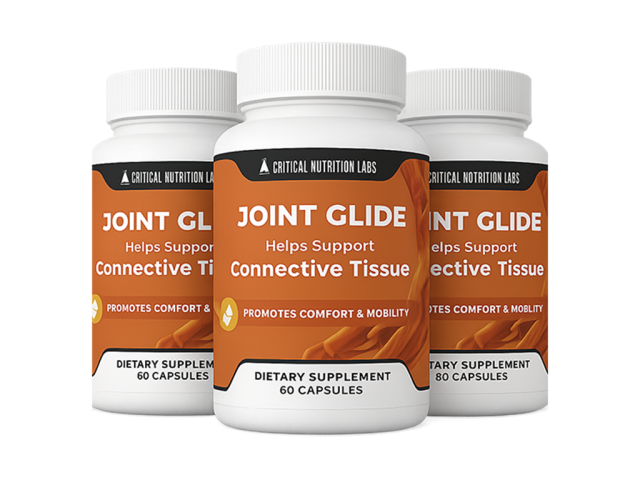
Example: Joint Glide Supplement
Joint Glide: Say Goodbye to Joint Pain Today! is a joint & leg health supplement that includes sources of plant-based omega-3s such as chia seeds, along with turmeric, berries, ginger, grass-fed collagen, MSM, hyaluronic acid, and quercetin. This combination brings together nutrients that support comfortable movement and tissue nourishment, making it a practical option for those interested in joint-friendly nutrition.
Ingredient Table: Omega-3 and Joint Health Support
| Ingredient | Role in Joint Comfort | Food Example or Supplement Context |
|---|---|---|
| Chia Seeds | Plant omega-3 (ALA), fiber for joint and gut health | Supplement ingredient, use on oatmeal |
| Omega-3 DHA/EPA | Help support healthy joint tissue and natural inflammation response | From fish, algae, or capsules |
| Fatty Fish | Food source of omega-3 EPA & DHA | Salmon, mackerel, sardines |
| Flaxseed | Rich in plant-based omega-3 ALA | Supplements, smoothies, breakfast |
| Berries | Antioxidants to help protect joint tissue | Supplement extracts, snacks |
| Ginger | Supports natural inflammation balance | Fresh, tea, or supplement |
Related Product Table
| Product ID | Product Name | Product Page URL | Why It Fits |
|---|---|---|---|
| 176 | Joint Glide: Say Goodbye to Joint Pain Today! | View Product | Formulated for joint & leg health with omega-3-rich chia seeds and other joint-friendly botanicals, antioxidants, and nutritional cofactors. |
Key Takeaways
- Omega-3 fatty acids are crucial for supporting joint comfort and flexibility.
- Include a variety of omega-3 sources—both plant and marine—in your diet for optimal results.
- Supplements tailored for joint health, such as those featuring chia seeds and other nourishing botanicals, can complement your food-based efforts.
- Routine use of omega-3-rich foods and supplements may help you maintain comfortable, mobile joints as part of a well-rounded dietary approach.
Useful information
- Disclaimer: This article contains affiliate links to products. We may receive a commission for purchases made through these links.
Related listings
-
Top Anti-Inflammatory Foods to Include in Your Joint Health DietAnti-Inflammatory Diet Plans for Joint Health
How Inflammation Affects Joint Health Chronic, low-level inflammation is one of the main contributors to joint discomfort, morning stiffness, and reduced flexibility. Inflammation can result from injury, overuse, or natural aging, but research shows that dietary choices play a powerful role in modulating the body’s inflammatory response. By focusin...

-
How to Build a Weekly Anti-Inflammatory Meal Plan for Joint SupportAnti-Inflammatory Diet Plans for Joint Health
Building a weekly anti-inflammatory meal plan is one of the most effective ways to support healthy joints and overall mobility. Chronic low-grade inflammation may contribute to joint discomfort, but a food-first approach can help manage this. By focusing on nutrient-dense, minimally processed foods and mindful ingredient choices, you can create mea...

-
Vegetarian and Vegan Anti-Inflammatory Diet Options for Joint HealthAnti-Inflammatory Diet Plans for Joint Health
Plant-Based Anti-Inflammatory Foods for Joint Support Following a vegetarian or vegan diet offers a wide variety of foods naturally suited for joint health. Many plant-based staples contain compounds that support the body's natural inflammation response and provide nutrients beneficial for joints: Leafy greens (spinach, kale, Swiss chard): rich in ...



Health supplements