Anti-Inflammatory Diet Plans for Joint Health: Key Ingredients Supplement Free
- Location: United States
Anti-inflammatory diet plans are increasingly recognized as a practical nutrition strategy for supporting joint health, flexibility, and overall comfort. By incorporating specific foods and nutrients, you may help maintain balanced inflammatory responses and nourish the tissues that keep your joints working smoothly.
Key Ingredient Categories in Anti-Inflammatory Diet Plans for Joint Health
Understanding which foods and nutrients are most relevant for joint-supportive diets can help you make effective choices at the grocery store—or when comparing supplement formulas. Here are some key ingredient categories:
| Ingredient | Typical Function | Example Foods/Sources |
|---|---|---|
| Omega-3 Fatty Acids | Balance inflammation, support joint cell membranes | Fatty fish, walnuts, flaxseed, chia seeds |
| Antioxidants | Neutralize free radicals that impact joint tissues | Berries, leafy greens, vitamin C-rich foods |
| Polyphenols & Spices | Provide anti-inflammatory and antioxidant properties | Turmeric, ginger, cinnamon, black pepper |
| Amino Acids & Sulfur Compounds | Support cartilage and collagen synthesis | Eggs, MSM (methylsulfonylmethane), nuts |
| Fiber-Rich Foods | Support gut health, which influences inflammation | Whole grains, oats, chia |
Ingredient Examples and Practical Routines
- Start the day with: Oatmeal topped with berries and chia seeds.
- Lunch swap: Spinach salad with walnuts, pumpkin seeds, and sliced eggs.
- Daily spice: Use turmeric and black pepper in soups or sautéed vegetables.
- Snack upgrade: Greek yogurt with a sprinkle of flaxseed or a handful of almonds.
Consider batch-preparing steamed leafy greens, keeping frozen berries for smoothies, and using turmeric/ginger to season proteins and grains—all simple ways to maximize your intake of these joint-supportive ingredients.
What to Compare When Choosing a Joint Health Supplement
Supplements can help fill gaps or provide concentrated forms of the most relevant anti-inflammatory nutrients for joint health. Here are important factors to review:
- Ingredient Quality & Dose: Are beneficial components like turmeric, MSM, and antioxidants included at clinically reviewed amounts?
- Complementary Ingredients: Do ingredients such as black pepper extract (to boost absorption of turmeric) or antioxidants like berry extracts enhance effectiveness?
- Formula Balance: Does the supplement combine different anti-inflammatory and connective tissue nutrients to offer comprehensive support?
- Label Transparency: Are the sources and standardizations of each ingredient clear and easy to verify?
Matched Supplement Product Example
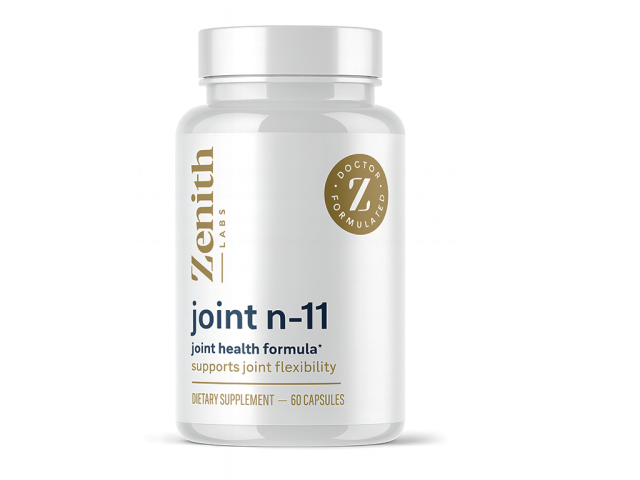
For those interested in a practical supplement to complement their diet, Joint N-11: The Ultimate Solution for Joint Health aligns with these ingredient and formula principles. This product includes:
- Turmeric and Black Pepper Extract: Turmeric is a source of curcumin, and black pepper helps improve its absorption so its benefits reach your joints more effectively.
- Leafy Greens Extracts: Provide vitamins, minerals, and antioxidants known to support healthy connective tissues.
- Berries & Berry Extracts: Rich in antioxidants like vitamin C to help neutralize joint-damaging free radicals.
- Chia Seeds, Eggs, Almonds/Walnuts: Add a natural source of plant-based omega-3s, protein, and healthy fats.
- Ginger and MSM: Help balance inflammation and maintain the flexibility and comfort of joint tissues.
The label emphasizes antioxidant support, balanced inflammatory response, and multiple nutrient forms for well-rounded joint nutrition. This aligns Joint N-11 with the most research-based dietary patterns for joint comfort.
Related Product Table
| Product ID | Product Name | Product Page URL | Why it fits |
|---|---|---|---|
| 95 | Joint N-11: The Ultimate Solution for Joint Health | View Product | Comprehensive anti-inflammatory and joint-supportive formula featuring turmeric, MSM, berry extracts, nuts, and seeds. |
Takeaways
- Combining omega-3s, antioxidants, polyphenols, and sulfur-rich compounds in your daily routine supports the nutritional foundation for healthy joints.
- When choosing foods or supplements, focus on ingredient quality, the synergy of the formula, and transparency in labeling.
- Diet and supplement routines including joint-supportive foods like leafy greens, berries, nuts, and spices can be tailored for both practicality and variety.
- Products like Joint N-11 offer a convenient, researched blend of the most relevant anti-inflammatory ingredients for anyone adopting a joint-supportive nutrition plan.
Useful information
- Disclaimer: This article contains affiliate links to products. We may receive a commission for purchases made through these links.
Related listings
-
Top Anti-Inflammatory Foods to Include in Your Joint Health DietAnti-Inflammatory Diet Plans for Joint Health
How Inflammation Affects Joint Health Chronic, low-level inflammation is one of the main contributors to joint discomfort, morning stiffness, and reduced flexibility. Inflammation can result from injury, overuse, or natural aging, but research shows that dietary choices play a powerful role in modulating the body’s inflammatory response. By focusin...
-
How to Build a Weekly Anti-Inflammatory Meal Plan for Joint SupportAnti-Inflammatory Diet Plans for Joint Health
Building a weekly anti-inflammatory meal plan is one of the most effective ways to support healthy joints and overall mobility. Chronic low-grade inflammation may contribute to joint discomfort, but a food-first approach can help manage this. By focusing on nutrient-dense, minimally processed foods and mindful ingredient choices, you can create mea...
-
Understanding Omega-3s and Their Role in Joint-Friendly DietsAnti-Inflammatory Diet Plans for Joint Health
What Are Omega-3 Fatty Acids and Why Are They Important for Joint Health? Omega-3 fatty acids are essential fats, meaning our body cannot produce them on its own. These healthy fats play an important role in supporting cell membranes, including those in joint tissues. Omega-3s are valued for their anti-inflammatory properties, which help support th...


Health supplements