Brain Food Myths vs. Facts: What Really Works for Cognitive Supplement 39.00 $
- Location: United States
Popular Brain Food Myths and Misconceptions
Cognitive performance is a popular wellness goal, but many myths about what actually fuels the brain persist. Here are some of the most common misconceptions:
- Myth 1: Sugar gives you a mental boost. Sweets may give a quick rush, but this is often followed by fatigue and brain fog. Excess sugar is linked to poorer long-term cognitive health.
- Myth 2: Carbohydrates are bad for focus. The brain relies on glucose, a carbohydrate breakdown product, for energy. However, the source matters—whole grains and oats provide sustained fuel, unlike refined sugars or processed carbs.
- Myth 3: Only specialty "superfoods" help your mind. While berries and unique herbs are great, everyday foods like eggs, leafy greens, fatty fish, and nuts also deliver proven brain benefits.
- Myth 4: Supplements can replace a healthy diet. Supplements can enhance, but not substitute for, balanced eating. Evidence-backed supplements work best alongside a nourishing routine.
Evidence-Based Clarifications
- Sugar and Focus: A high sugar intake can impair memory and concentration over time. Opt for unrefined carbs from oats, whole grains, fruits, and vegetables, which release energy steadily.
- Carb Quality Matters: Whole-food carbs support neurotransmitter production. For example, oats supply B vitamins needed for healthy brain function.
- Food Variety: Research shows a Mediterranean-style diet—rich in leafy greens, fish, nuts, and olive oil—supports cognitive longevity far better than a single "miracle food."
- Supplements: Certain ingredients, like Bacopa Monnieri, Lion's Mane Mushroom, and Omega-3 DHA, shown in published studies, may help enhance aspects of memory, processing, and mood when used thoughtfully.
Proven Foods and Nutrients for Brain Health
| Food/Nutrient | Best Sources | How It Helps |
|---|---|---|
| Berries (e.g. blueberries) | Fresh or frozen berries | High in antioxidants that may protect brain cells from oxidative stress |
| Fatty Fish (Omega-3 DHA/EPA) | Salmon, sardines, mackerel | Support fluid cell membranes and communication between brain cells |
| Leafy Greens | Spinach, kale | Rich in folate and vitamin K, linked to mental clarity |
| Eggs | Eggs (yolk included) | Contains choline, a nutrient key for memory |
| Nuts & Seeds | Walnuts, almonds, flaxseed | Contain vitamin E and healthy fats for brain protection |
| Whole Grains | Oats, barley, quinoa | Provide a steady source of glucose for alertness |
| Avocado | Fresh avocado | Rich in monounsaturated fats for healthy blood flow to the brain |
| Herbs & Mushrooms | Bacopa, Lion's Mane, Rhodiola | Studied for supporting mood, focus, and memory |
Spotting Misleading Marketing vs. Real Cognitive Benefits
It’s easy to be misled by flashy claims—"brain booster!" or "memory miracle"—especially in food and drink aisles. Here’s how to cut through noise:
- Check the evidence: Does the food contain ingredients supported by research (e.g. Omega-3 DHA, Bacopa, B vitamins)?
- Read the label: A genuine brain food or supplement should list meaningful amounts of beneficial nutrients, not just a sprinkling of “buzzword” ingredients.
- Look for patterns: Brain-friendly diets focus on overall variety and balance, not isolated ingredients.
Supplements: When and Why to Consider Them
While food is the foundation, some supplement blends can provide targeted support. Look for those that feature:
- Bacopa Monnieri – traditionally used to enhance memory and learning.
- Lion’s Mane Mushroom – studied for nerve growth and mental sharpness.
- Rhodiola Rosea – may help with focus and stress resilience.
- B Vitamins – essential for neurotransmitter support and energy flow in the brain.
- L-Tyrosine – an amino acid involved in dopamine production, supporting alertness under stress.
- Theobromine – found in cocoa, supports mental energy and mood.
- Oats, Avocado, Eggs – provide fundamental nutrients to round out cognitive nutrition.
Supplements are not quick fixes, but can complement a mindful diet, especially for those seeking extra support for mental clarity and performance.
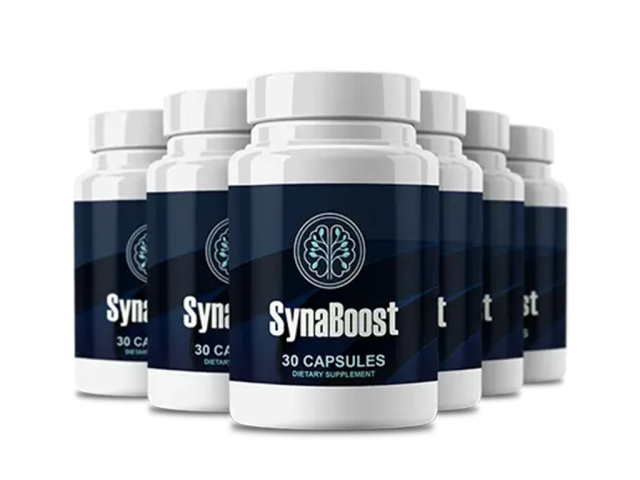
Matched Supplement Product: SynaBoost
The supplement SynaBoost: Enhance Your Senses and Boost Your Health fits this article's topic as it combines several of the most science-backed ingredients for cognitive support, including Bacopa Monnieri, Oats, Avocado, Eggs, Rhodiola, various B vitamins, L-Tyrosine, and Theobromine. This blend covers both foundational nutrients and researched herbs and adaptogens, offering comprehensive support within the Brain & Cognitive Health category. The formula’s label context and ingredient synergy align well with evidence-based strategies for cognitive performance.
Related Product Table
| Product ID | Product Name | Product Page URL | Why it fits |
|---|---|---|---|
| 214 | SynaBoost: Enhance Your Senses and Boost Your Health | View Product | Uses multiple ingredients with clinical research in cognitive support: Bacopa Monnieri, Rhodiola, L-Tyrosine, B vitamins, oats, eggs, and more. |
Key Takeaways
- The best cognitive diets emphasize balance: more leafy greens, nuts, eggs, grains, berries, fatty fish, and avocados—less sugar and ultra-processed food.
- Popular myths often confuse quick energy with real brain support. Focus on lasting nutrition from whole foods and science-informed supplementation.
- Supplements like SynaBoost can reinforce brain health routines, but work best as part of a pattern of healthy eating, sleep, activity, and stress management.
Useful information
- Disclaimer: This article contains affiliate links to products. We may receive a commission for purchases made through these links.
Related listings
-
Top 12 Brain Foods to Enhance Cognitive Performance Every DayBest Foods for Cognitive Performance
Optimal cognitive performance depends on a combination of lifestyle factors, and diet is one of the most influential. Eating foods rich in certain nutrients can help support clarity, memory, focus, and overall brain health. In this article, we explore 12 of the most evidence-backed foods and explain how to integrate them easily into your daily rout...
-
Meal Planning for Brain Health: Building a Cognitive Performance MenuBest Foods for Cognitive Performance
Why Plan Meals for Cognitive Performance? Meal planning for brain health isn't just about eating well—it's about optimizing your nutrient intake to support focus, clarity, and memory throughout the day. By structuring meals and snacks with proven brain-boosting nutrients, you provide consistent support for your mind’s daily demands. Building a Bala...
-
How to Read Nutrition Labels for Brain-Friendly FoodsBest Foods for Cognitive Performance
What to Look for on Food Labels to Support Brain Health Choosing foods that benefit your mind starts with understanding nutrition labels. Whether shopping for snacks, cereals, or supplements, focusing on brain-boosting nutrients and whole ingredients can make a difference in your cognition over time. Omega-3 Fatty Acids (DHA and EPA): Look for food...


Health supplements