Dietary Fats, Inflammation, and Aging: What the Latest Science Says Supplement Free
- Location: United States
How Dietary Fats Influence Inflammation and Aging
As we age, the role of dietary fats in our nutrition becomes especially important. Scientific research reveals that the types of fats consumed can promote either pro-inflammatory or anti-inflammatory processes in the body, impacting longevity, skin health, joint comfort, and overall vitality.
Pro-Inflammatory vs. Anti-Inflammatory Fats
| Fat Type | Major Sources | Inflammation Impact |
|---|---|---|
| Saturated Fats | Fatty meats, full-fat dairy, butter, processed foods | Pro-inflammatory |
| Trans Fats | Commercial baked goods, fried foods, some margarines | Strongly pro-inflammatory |
| Omega-6 Polyunsaturated Fats* | Corn oil, soybean oil, sunflower oil | Potentially pro-inflammatory in excess |
| Omega-3 Polyunsaturated Fats | Fatty fish (salmon, mackerel, sardines), flaxseed, chia seeds, walnuts | Anti-inflammatory |
| Monounsaturated Fats | Extra virgin olive oil, avocado, almonds | Anti-inflammatory |
*Omega-6 fats are essential, but a high omega-6 to omega-3 ratio is associated with greater inflammation.
Anti-Inflammatory Fats and Longevity
Dietary patterns that emphasize anti-inflammatory fats, such as the Mediterranean diet, have been linked with healthier aging and a lower risk of age-related inflammatory conditions. Omega-3 fatty acids, in particular, have been extensively studied for their ability to help balance the body’s inflammatory responses. Monounsaturated fats from olive oil and avocados also show protective properties against chronic, low-grade inflammation—a driver of many signs of aging.
Foods and Meal Patterns That Reduce Inflammation
- Fatty fish: Salmon, sardines, and mackerel provide long-chain omega-3s (EPA & DHA)
- Seeds & nuts: Flaxseed, chia seeds, walnuts, almonds—rich in ALA (plant omega-3), fiber, and antioxidants
- Plant oils: Extra virgin olive oil and avocado oil are rich in monounsaturated fats and polyphenols
- Soy foods: Tempeh and tofu offer complete protein as well as healthy fats
- Leafy greens and berries: Offer polyphenols and antioxidants that synergize with healthy fats
Anti-Inflammatory Supplements Relevant to Aging
In addition to a balanced diet, certain supplements can help support a healthy inflammatory response and promote graceful aging. Here’s a quick overview of well-known options:
- Omega-3 supplements: Fish oil, algal oil, or flaxseed oil capsules can help bridge the gap for those not eating fatty fish regularly.
- Turmeric (Curcumin): Turmeric extracts standardized for curcumin are popular for balancing inflammation and supporting joint and skin health.
- Resveratrol: Found naturally in grape skins and berries, resveratrol is studied for its cell-protective, anti-inflammatory, and longevity-supporting effects.
- Lion’s Mane: A mushroom ingredient found in select anti-aging formulas, recognized for its antioxidant and potential cognitive support.
- Prebiotics like Inulin: Support a healthy gut, which in turn may promote a balanced immune and inflammatory environment.
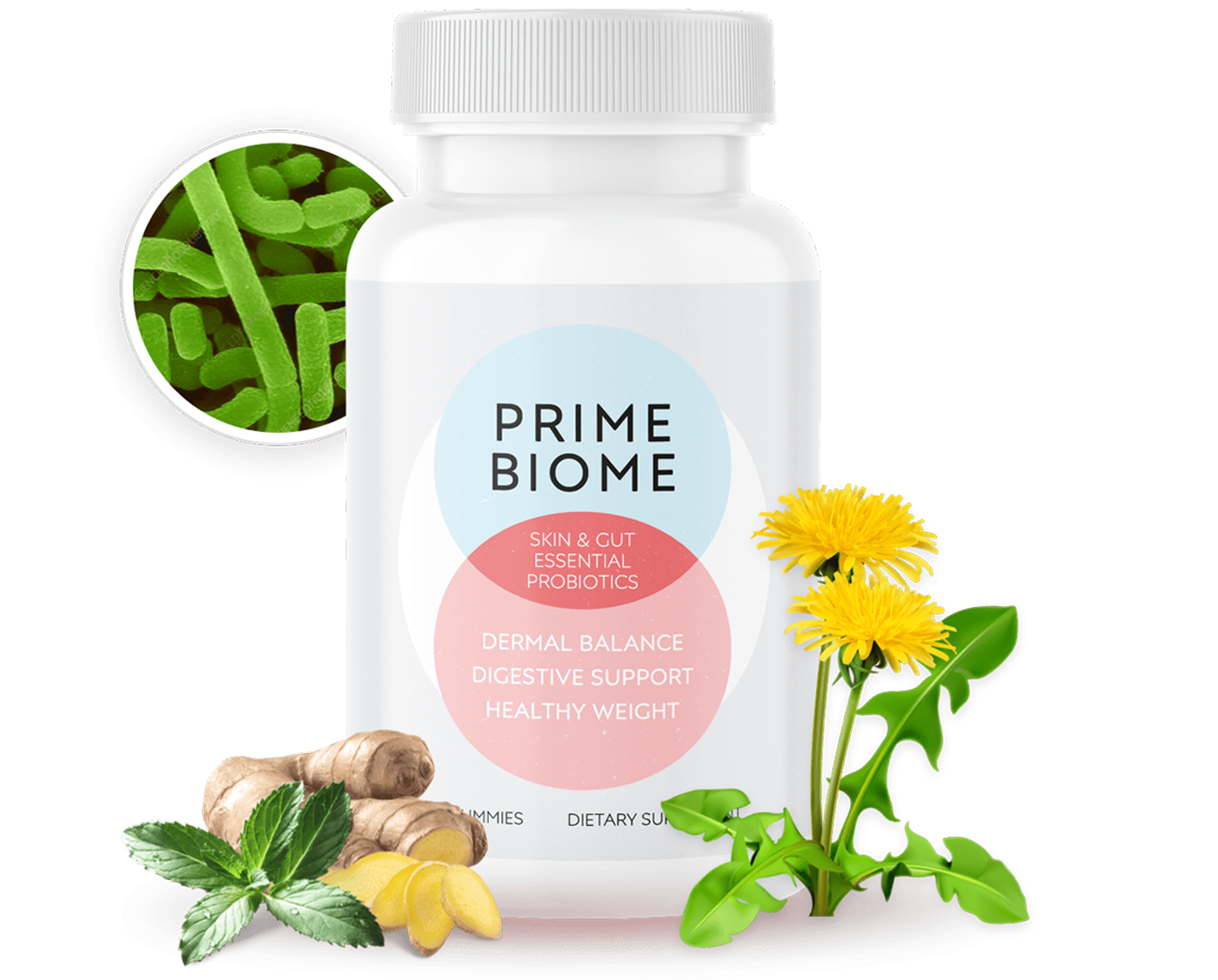
Supplement Context: PrimeBiome and its Anti-Inflammatory Ingredients
One supplement product designed with aging and inflammation in mind is PrimeBiome: Gut Balance and Radiant Skin. This formula combines ingredients such as inulin for gut microbial balance (which is linked to less inflammation), organic lion’s mane for antioxidant support, slippery elm bark, and soothing botanicals like lemon balm and dandelion. These compounds are often featured in anti-aging nutrition because they support gut health, immune resilience, and natural inflammatory balance—all key themes for healthy aging.
Ingredient Table: Anti-Inflammatory Foods and Supplements for Aging
| Ingredient | How it Supports Healthy Aging |
|---|---|
| Omega-3 DHA/EPA | Balances inflammation, supports brain, heart, and skin health |
| Flaxseed/Chia Seeds | Provide plant-based omega-3s, fiber, and antioxidants |
| Extra Virgin Olive Oil | Rich in monounsaturated fats and polyphenols, lowers inflammation |
| Almonds/Walnuts | Good source of omega fatty acids, vitamin E, and polyphenols |
| Inulin (Prebiotic Fiber) | Supports gut barrier and reduces inflammatory signaling |
| Organic Lion’s Mane | Offers antioxidant support, promotes cognitive wellness |
| Turmeric (Curcumin) | Supports healthy inflammatory response |
| Berries (e.g., blueberries, strawberries) | Rich in polyphenols and antioxidants for cell protection |
Related Product Table
| Product ID | Product Name | Product Page URL | Why It Fits |
|---|---|---|---|
| 22 | PrimeBiome: Gut Balance and Radiant Skin | View Product | Contains inulin, organic lion's mane, and soothing botanicals for anti-inflammatory, gut, and anti-aging support. |
Unique Takeaways
- Replacing saturated and trans fats with monounsaturated and omega-3-rich fats may help reduce the low-level inflammation associated with aging.
- Anti-inflammatory meal patterns emphasize fatty fish, nuts, seeds, olive oil, leafy greens, and berries as staples.
- Gut health plays a underappreciated role in inflammation and aging—making prebiotics and botanicals valuable additions to an anti-aging routine.
- Supplements formulated with ingredients like inulin, lion's mane, and turmeric can offer extra support alongside a healthful diet.
Useful information
- Disclaimer: This article contains affiliate links to products. We may receive a commission for purchases made through these links.
Related listings
-
How Dietary Fats Impact Aging: A Guide to Healthy LongevityDietary Fats and Aging
Understanding the Role of Dietary Fats as We Age Dietary fats are more than a calorie source—they play a foundational role in aging and longevity. As we grow older, our bodies rely on fats to maintain cell structure, cushion organs, support brain function, and regulate hormone production. The quality and type of fat consumed becomes especially impo...
-
Choosing the Best Fats for Anti-Aging Support: Foods and SupplementDietary Fats and Aging
Understanding Fats for Anti-Aging: Skin, Brain, and Heart Benefits Fats are essential for optimal aging, supporting skin vitality, brain performance, and heart health. As we age, prioritizing the right types of fats can make daily nutritional routines more effective and help maintain a youthful appearance and cognitive sharpness. Key Fats for Healt...
-
How to Build an Anti-Aging Grocery List: Focus on Dietary FatsDietary Fats and Aging
Practical Tips for Choosing Anti-Aging-Friendly Fats at the Grocery Store Choosing the right types of dietary fats can play a beneficial role in any anti-aging nutrition plan. When grocery shopping, prioritize whole, minimally processed fat sources and avoid products with unhealthy or artificial fats. Here’s what to look for: Pick cold-pressed or e...


Health supplements