Dietary Fats and Aging: Foods, Nutrients, and Supplement Comparison Supplement 34.00 $
- Location: United States
Understanding Dietary Fats and How They Influence Aging
Dietary fats play a crucial role in healthy aging, not only as an energy source but also in supporting cellular structure, brain health, and the absorption of fat-soluble vitamins. As we age, the quality and type of fats we consume have significant impacts on inflammation, cellular health, and overall vitality. This guide explores key foods, nutrients, and supplement strategies for supporting healthy aging through dietary fats.
Types of Dietary Fats and Their Roles in Aging
- Monounsaturated Fats: Found in olive oil, avocado, and some nuts; support heart health and reduce oxidative stress.
- Polyunsaturated Fats (including Omega-3s): Found in fatty fish (salmon, sardines, mackerel), walnuts, flaxseeds, and chia seeds; crucial for brain health, joint mobility, and balancing the inflammatory response.
- Saturated Fats: Present in animal products and some plant oils; should be consumed in moderation for optimal heart and metabolic health.
Practical Food Examples
- Salmon, mackerel, sardines: Excellent sources of omega-3 DHA and EPA.
- Avocado and extra virgin olive oil: Packed with monounsaturated fats and antioxidants.
- Walnuts and almonds: Provide plant-based omega-3 ALA and vitamin E for cell protection.
- Chia and flaxseeds: Easy to add to smoothies and yogurt for extra healthy fats and fiber.
Key Nutrients for Anti-Aging Support from Fats
| Ingredient | Role in Healthy Aging | Food Sources |
|---|---|---|
| Omega-3 Fatty Acids (DHA/EPA) | Support cardiovascular, brain, and joint health; help reduce inflammation | Fatty fish, flaxseed, chia seed, walnuts |
| Monounsaturated Fats | Enhance heart health, lower oxidative stress | Olive oil, avocado, nuts |
| Vitamin E | Protects cells from oxidative damage | Almonds, sunflower seeds, avocado |
| Zinc | Supports skin repair, immunity, and antioxidant defenses | Nuts, seeds, shellfish, fortified cereals |
| Magnesium | Relaxation, energy production, muscle function | Nuts, seeds, leafy greens, whole grains |
How to Check Ingredient Labels for Anti-Aging Supplements
- Look for clear sources and doses of omega-3s (especially DHA and EPA for brain and eye health).
- Identify plant-derived fats such as extra virgin olive oil or avocado oil, which offer natural antioxidant polyphenols.
- Check for antioxidant nutrients (like vitamin E, zinc, and selenium) that help balance oxidative stress.
- Verify the presence of supportive minerals (like magnesium) and amino acids (like L-theanine for relaxation and L-arginine for circulation).
- Be wary of supplements listing only generic "fish oil" or "mixed tocopherols" without specifying form and amount.
Comparing Anti-Aging and Fat Metabolism Supplements
Anti-aging supplements often blend healthy fats, antioxidants, and supportive minerals or amino acids to address multiple pathways of cellular health, inflammation, and metabolism. When comparing products, consider:
- Ingredient diversity: Multi-ingredient formulas (including omega-3s, vitamin E, magnesium, and botanicals) may offer broader support than single-source products.
- Dosages and bioavailability: Ensure effective dosages and forms are used for optimal absorption.
- Label transparency: Premium products display exact amounts and ingredient sources.
Ingredient Table: Example Anti-Aging Nutrients
| Ingredient | Description for Anti-Aging |
|---|---|
| Omega-3 DHA/EPA | Supports cognitive, cardiovascular, and joint function as we age. |
| Magnesium | Promotes muscle, nerve relaxation, cellular repair, and restful sleep. |
| Zinc | Necessary for cell division, immune resilience, and skin repair. |
| Vitamin E | Helps protect fatty tissues from oxidative stress and cell damage. |
| L-Theanine | Amino acid for relaxation and stress balance, important in anti-aging blends. |
| L-Arginine | Supports blood flow and vascular health, especially relevant with advancing age. |
| Melatonin | Regulates sleep cycles, which optimize recovery and cellular renewal during aging. |
Routine Use: Practical Tips
- Include fatty fish, nuts, seeds, and healthy oils in your weekly grocery plan to boost intake of healthy fats.
- Pay attention to sleep, stress, and metabolism by considering supplement formulas that blend minerals (like magnesium and zinc), amino acids, and botanicals.
- Rotate your healthy fat sources to ensure a balanced profile of beneficial lipids and antioxidants.
Supplement Discovery: Resurge for Anti-Aging and Fat Metabolism
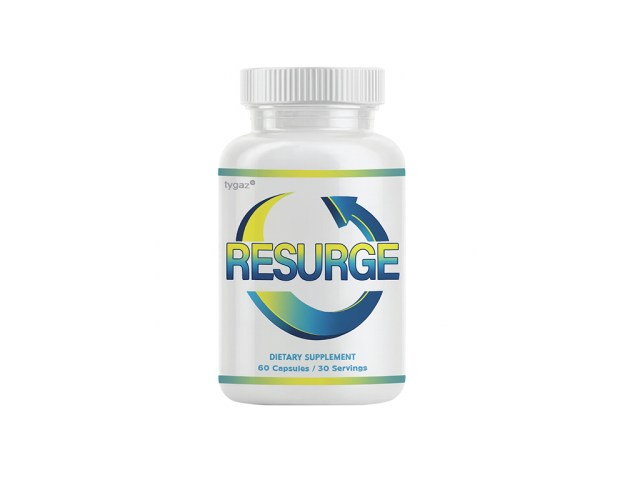
Among premium anti-aging nutritional support options, Resurge: Nighttime Fat Burning While You Sleep stands out because it combines magnesium, zinc, L-theanine, melatonin, ashwagandha, and L-arginine—all ingredients shown to help with relaxation, cellular repair, oxidative balance, and healthy metabolism. This formula is designed to support overnight recovery and fat metabolism, which naturally decline with age, making it a relevant choice when seeking anti-aging and weight management support.
Related Product Table
| Product ID | Product Name | Product Page URL | Why It Fits |
|---|---|---|---|
| 120 | Resurge: Nighttime Fat Burning While You Sleep | View Product | Multi-ingredient anti-aging formula including magnesium, zinc, L-theanine, and melatonin for cellular support and overnight metabolism. |
Key Takeaways
- Prioritize monounsaturated and omega-3 fats from both plant and fish sources for healthy aging.
- Look for anti-aging supplements with transparent labels, clinically relevant doses, and nutrient diversity.
- Routine use of well-formulated supplements can complement a nutrient-rich diet to support cellular health, relaxation, and metabolic balance as you age.
Useful information
- Disclaimer: This article contains affiliate links to products. We may receive a commission for purchases made through these links.
Related listings
-
How Dietary Fats Impact Aging: A Guide to Healthy LongevityDietary Fats and Aging
Understanding the Role of Dietary Fats as We Age Dietary fats are more than a calorie source—they play a foundational role in aging and longevity. As we grow older, our bodies rely on fats to maintain cell structure, cushion organs, support brain function, and regulate hormone production. The quality and type of fat consumed becomes especially impo...
-
Choosing the Best Fats for Anti-Aging Support: Foods and SupplementDietary Fats and Aging
Understanding Fats for Anti-Aging: Skin, Brain, and Heart Benefits Fats are essential for optimal aging, supporting skin vitality, brain performance, and heart health. As we age, prioritizing the right types of fats can make daily nutritional routines more effective and help maintain a youthful appearance and cognitive sharpness. Key Fats for Healt...
-
How to Build an Anti-Aging Grocery List: Focus on Dietary FatsDietary Fats and Aging
Practical Tips for Choosing Anti-Aging-Friendly Fats at the Grocery Store Choosing the right types of dietary fats can play a beneficial role in any anti-aging nutrition plan. When grocery shopping, prioritize whole, minimally processed fat sources and avoid products with unhealthy or artificial fats. Here’s what to look for: Pick cold-pressed or e...


Health supplements