Dietary Fats and Aging: Key Ingredients and Product Matching Supplement Free
- Location: United States
Understanding Dietary Fats for Healthy Aging
Dietary fats play a central role in cellular health, cognition, skin vitality, and the absorption of fat-soluble nutrients as we age. Choosing the right types of fats and complementing them with targeted nutritional supplements can support the body’s resilience to aging-related changes. This article breaks down the most relevant ingredient categories, routine sources, and supplement features to consider for aging support.
Main Categories of Dietary Fats and Their Relevance to Aging
| Fat Type | Main Food Sources | Key Benefits for Aging |
|---|---|---|
| Monounsaturated fats | Olive oil, avocado, nuts | Support heart health, brain function, and skin hydration |
| Polyunsaturated fats (especially Omega-3s) | Fatty fish (salmon, sardines), flaxseed, chia, walnuts | Promote cognitive clarity, joint comfort, and healthy lipid balance |
| Saturated fats | Coconut oil, full-fat dairy, some animal fats | Should be consumed in moderation—some support is possible for cell membrane structure |
Categories of Supplement Ingredients for Fats and Aging
While food sources are fundamental, select supplement ingredients enhance fat utilization and may offer support for healthy aging by targeting cellular protection, skin health, and inflammation balance. When evaluating anti-aging formulas, compare the following:
- Omega-3 fatty acids (DHA/EPA): Widely used for cognitive, eye, and cardiovascular support.
- Antioxidant botanicals: Ingredients like turmeric, resveratrol, and grape seed extract help counter oxidative stress associated with aging.
- Prebiotics and probiotics: Inulin, slippery elm bark, and lactic acid bacteria help balance the gut microbiome, which influences inflammation and nutrient absorption.
- Adaptogenic mushrooms: Lion's Mane and similar mushrooms may contribute to cognitive health and stress resilience.
- Fiber: Prebiotic fibers like inulin support digestive health and metabolic balance.
Ingredient Comparison Checklist
| Ingredient | Why it Matters | How to Compare on a Label |
|---|---|---|
| Omega-3s (DHA/EPA) | Support brain, skin, eyes, and cardiovascular health | Look for mg of DHA/EPA per serving, verified source |
| Inulin (Prebiotic Fiber) | Balances gut microbes, aids absorption of fat-soluble nutrients | Check source and fiber content per serving |
| Organic Lion's Mane | Supports cognitive function and nerve health | Look for certified organic, mg amount per dose |
| Slippery Elm Bark | Soothes digestion, indirectly benefits nutrient uptake | Non-GMO sourcing, mg per serving |
| Fenugreek | Supports metabolic balance and hormone health | Whole plant vs. extract, dose listed |
| Dandelion & Lemon Balm | Antioxidant and digestive support | Botanical standardization or whole herb content |
Routine-Use Example
- Use extra virgin olive oil or avocado oil as a salad base at meals.
- Add chia seeds or walnuts to breakfast oats for extra plant omega-3s.
- Incorporate fatty fish (salmon, sardines) 2-3 times a week for natural EPA and DHA intake.
- Increase fiber with vegetables and prebiotic-rich foods, such as artichokes or a supplement featuring inulin.
- Consider a comprehensive supplement that supports both gut health and skin appearance, especially if your diet lacks diversity or fermented foods.
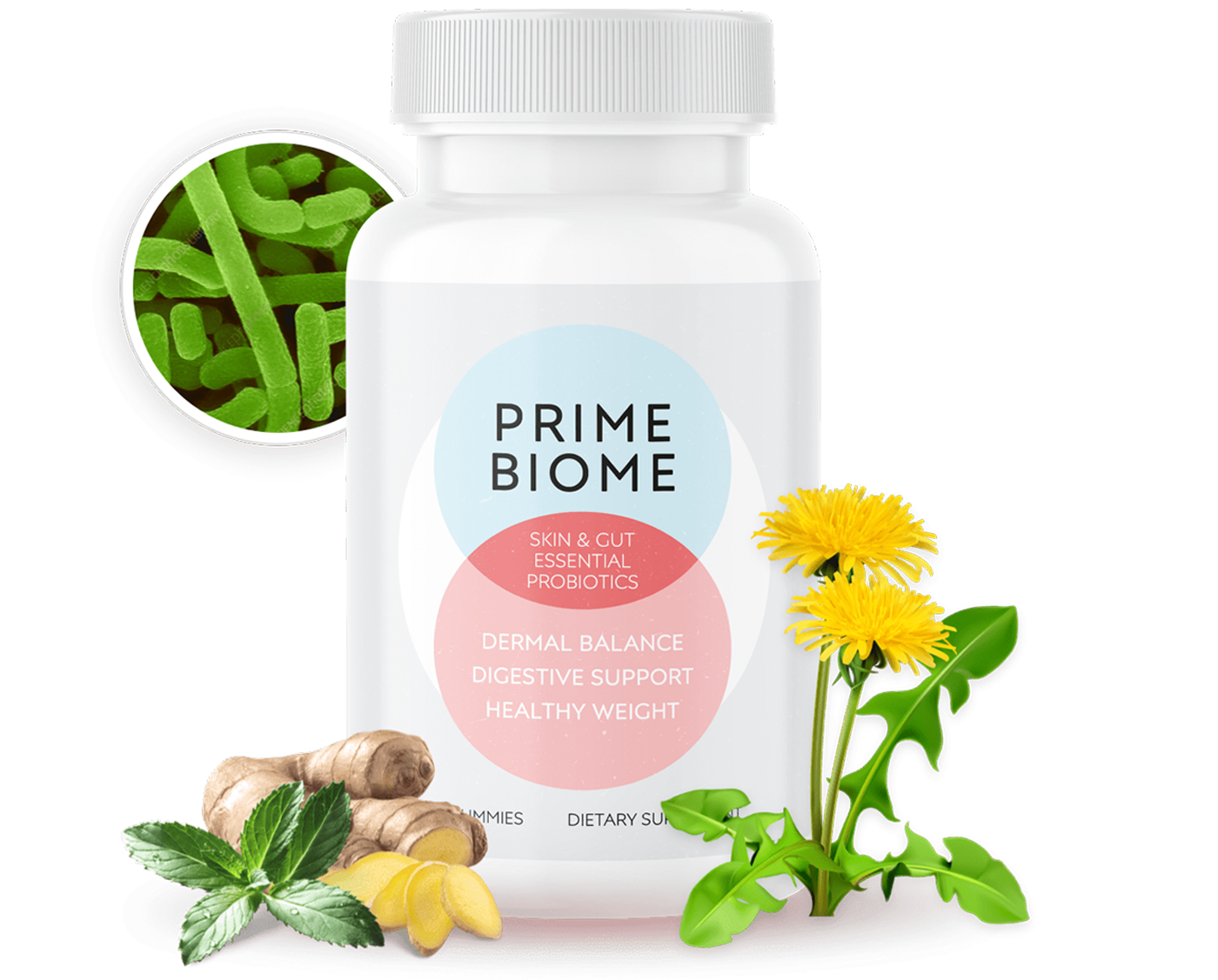
Matched Supplement Product: PrimeBiome and Anti-Aging Support
Related Product Table
| Product ID | Product Name | Product Page URL | Why it Fits |
|---|---|---|---|
| 22 | PrimeBiome: Gut Balance and Radiant Skin | View Product | Combines prebiotic fiber, adaptogenic mushrooms, and botanicals for gut, metabolism, and skin health |
Key Takeaways
- Both food and supplement sources of healthy fats, antioxidants, and microbiome-supportive ingredients are important for aging well.
- Compare supplements by checking the types, sources, and dosages of fat-related nutrients and complementary botanicals on the label.
- Blends that include prebiotic fiber, adaptogens, and diverse phytonutrients may enhance how your body utilizes dietary fats and protects tissue vitality as you age.
- Routine practices and supplement choices should work together to support the complex interplay between gut health, fat metabolism, and overall aging resilience.
Useful information
- Disclaimer: This article contains affiliate links to products. We may receive a commission for purchases made through these links.
Related listings
-
How Dietary Fats Impact Aging: A Guide to Healthy LongevityDietary Fats and Aging
Understanding the Role of Dietary Fats as We Age Dietary fats are more than a calorie source—they play a foundational role in aging and longevity. As we grow older, our bodies rely on fats to maintain cell structure, cushion organs, support brain function, and regulate hormone production. The quality and type of fat consumed becomes especially impo...
-
Choosing the Best Fats for Anti-Aging Support: Foods and SupplementDietary Fats and Aging
Understanding Fats for Anti-Aging: Skin, Brain, and Heart Benefits Fats are essential for optimal aging, supporting skin vitality, brain performance, and heart health. As we age, prioritizing the right types of fats can make daily nutritional routines more effective and help maintain a youthful appearance and cognitive sharpness. Key Fats for Healt...
-
How to Build an Anti-Aging Grocery List: Focus on Dietary FatsDietary Fats and Aging
Practical Tips for Choosing Anti-Aging-Friendly Fats at the Grocery Store Choosing the right types of dietary fats can play a beneficial role in any anti-aging nutrition plan. When grocery shopping, prioritize whole, minimally processed fat sources and avoid products with unhealthy or artificial fats. Here’s what to look for: Pick cold-pressed or e...


Health supplements