Probiotics and Immunity: Foods and Supplements That Work Together Supplement Free
- Location: United States
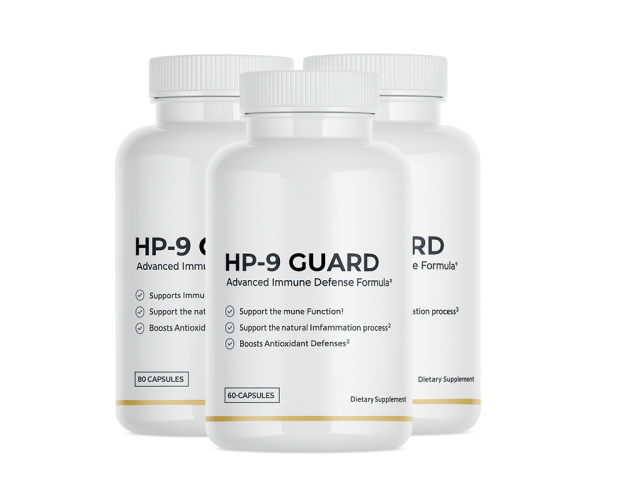
Supporting your immune system isn't just about avoiding germs—it's about giving your body the nutrients and beneficial microbes it needs to defend against everyday challenges. Probiotics, the live beneficial bacteria found in certain foods and supplements, play an important role in building and maintaining a resilient immune system. Let’s look at how you can incorporate these friendly bacteria into your daily routine, both through food and well-designed supplements, to support overall wellness.
The Role of Probiotics in Immune Health
Your gut is home to trillions of bacteria, many of which directly influence your immune responses. Probiotics support a healthy balance of these microbes, which can help your body better identify and respond to harmful invaders. A balanced gut microbiome is linked to:
- Optimal nutrient absorption
- Healthy gut barrier function
- Balanced immune signaling
Adding probiotics to your daily intake is one of the simplest ways to support the natural functions of your immune system.
Probiotic-Rich Foods to Try
Many common foods naturally contain probiotics. Incorporating these into your meals can support your gut and immune health:
- Yogurt: Choose varieties labeled with live and active cultures for maximum benefit.
- Kefir: A fermented dairy or water drink packed with diverse probiotic strains.
- Kimchi and Sauerkraut: Fermented vegetables that are tangy and rich in beneficial bacteria.
- Tempeh: A fermented soy product noted for its high protein and nutritional content.
- Miso: This traditional Japanese seasoning made from fermented soybeans adds both umami flavor and live cultures to soups and sauces.
- Greek Yogurt: A creamy, higher-protein version of yogurt, also a notable source of probiotics.
Ingredient Table: Probiotic and Prebiotic Foods
| Ingredient | Description |
|---|---|
| Yogurt | Source of live, active probiotic cultures and protein. |
| Kefir | Fermented milk beverage with multiple probiotic strains. |
| Kimchi/Sauerkraut | Fermented cabbage with diverse lactic acid bacteria. |
| Greek Yogurt | Higher-protein, probiotic-rich cultured dairy food. |
| Tempeh | Fermented soy food; delivers probiotics and fiber. |
| Prebiotic Fiber | Feeds good bacteria; found in onions, garlic, inulin, bananas. |
How to Add More Probiotic Foods to Your Diet
- Start your day with a serving of plain yogurt topped with berries and chia seeds.
- Add a spoonful of kimchi or sauerkraut to salads, grain bowls, or sandwiches for flavor and probiotic support.
- Blend kefir into smoothies or drink it solo as a tangy snack.
- Swap out regular tofu for tempeh in stir-fries and wraps for added probiotics and prebiotic fiber.
These strategies make it easy to gradually boost your intake of gut-friendly bacteria through whole foods.
The Importance of Prebiotics
Prebiotics are non-digestible fibers that feed your beneficial gut bacteria, helping them thrive. Common sources include inulin (from chicory root and garlic), onions, bananas, and whole grains. When prebiotics and probiotics are consumed together, they provide even stronger support for digestive and immune health.
When to Consider Probiotic-Enhanced Immune Supplements
While probiotic-rich foods are the foundation of a healthy gut, there are times when a high-quality supplement may be helpful—for example, during times of increased stress, travel, or seasonal immune challenges. Many immune system booster supplements combine probiotics with vitamins, minerals, and additional botanicals that work in harmony to support natural defenses.
Related Supplement Product
One example is HP9 Guard: Boost Your Immune System Now!, a formula that includes key immune health nutrients like vitamin C, zinc, vitamin D3, elderberry extract, garlic extract, and echinacea. While HP9 Guard focuses on essential vitamins and plant extracts, it complements a diet rich in probiotics and prebiotics, supporting immune wellness from multiple angles.
Integrating Foods and Supplements for Immune Support
For comprehensive immune support:
- Eat a variety of probiotic-rich and prebiotic-rich foods every day.
- Use supplements when extra support is desired or as recommended on the product label—especially those that complement your diet with key vitamins and botanicals.
- Combine these habits with regular exercise, adequate sleep, and healthy stress management for best results.
Related Product Table
| Product ID | Product Name | Product Page URL | Why it fits |
|---|---|---|---|
| 175 | HP9 Guard: Boost Your Immune System Now! | View Product | Contains immune-supporting vitamins and botanicals that complement probiotic and prebiotic food intake |
Key Takeaways
- Probiotics, from both food and supplements, play a supportive role in immune system health.
- Natural sources of probiotics (yogurt, kefir, kimchi) and prebiotics (fiber-rich produce) work together in the gut.
- Supplements like HP9 Guard can be a convenient way to add key immune-supporting nutrients and botanicals, especially when dietary intake could use a boost.
- A balanced approach that combines whole foods and targeted supplements supports immune resilience for everyday wellness.
Useful information
- Disclaimer: This article contains affiliate links to products. We may receive a commission for purchases made through these links.
Related listings
-
Top Foods That Naturally Support Immune HealthFoods That Support Immune Health
Every day, your immune system protects you from potential threats and helps you stay well. One of the most powerful ways to support your natural defenses is through the foods you choose. A balanced diet filled with key nutrients helps immune cells function at their best and maintain a strong, responsive system. How Diet Impacts Immune System Functi...
-
Key Nutrients to Strengthen Your Immunity: Food and SupplementFoods That Support Immune Health
Essential Nutrients for Immune Support Your immune system relies on a network of nutrients to operate at its best. Focusing your meals and supplements around certain vitamins, minerals, and botanicals offers concrete ways to support your natural defenses. Here are the key nutrients, their food sources, and routine tips for daily nourishment. Top Im...
-
Meal Prep Ideas Featuring Immune-Boosting IngredientsFoods That Support Immune Health
Planning a Week of Meal Prep for Immune Support Prepping meals in advance not only saves time but also sets you up for consistent, balanced nutrition. By choosing ingredients rich in key vitamins, minerals, antioxidants, and natural probiotics, you can build weeklong menus that help support your body's natural immune defenses. Below, we'll guide yo...


Health supplements