Grocery Shopping Guide: Choosing Foods That Boost Immune Health Supplement 49.00 $
- Location: United States
Building a stronger immune system starts at the grocery store. By making smart choices in every aisle, you can support your body’s natural defenses and keep your pantry ready for any season. Use this guide to create a practical shopping list and discover key nutrients and supplement options that can help when time or appetite falls short.
Smart Ways to Build an Immune-Focused Shopping List
- Plan ahead: Map out meals and snacks so you’re stocked with fresh produce, whole grains, lean proteins, healthy fats, and fermented foods.
- Cover variety: Eating a range of foods helps ensure you get different vitamins, minerals, antioxidants, and probiotics crucial for immune balance.
- Think balance: Mix up sources in each category—combine fresh with frozen or pantry items for flexibility and longer shelf life.
Grocery Categories and Top Immune-Supportive Picks
| Grocery Category | Examples of Immune-Boosting Foods | Nutrient Highlights |
|---|---|---|
| Produce | Broccoli, spinach, berries, citrus, bell peppers, carrots, garlic | Vitamin C, vitamin A, folate, zinc, fiber, antioxidants |
| Whole grains & seeds | Oats, quinoa, barley, chia, flaxseed, brown rice | B vitamins, iron, prebiotic fiber, magnesium |
| Protein sources | Eggs, salmon, chicken, tempeh, Greek yogurt, tofu, lentils | Complete proteins, vitamin D, selenium, zinc, probiotics |
| Fermented foods | Kimchi, sauerkraut, kefir, yogurt, miso, tempeh | Probiotics, bioactive peptides |
| Pantry staples | Beans, nuts, seeds, tomato paste, canned fish, olive oil | Healthy fats, plant antioxidants, omega-3s, vitamin E |
| Herbs & spices | Turmeric, cinnamon, ginger, garlic, oregano | Phytonutrients, anti-inflammatory compounds |
How to Read Nutrition Labels for Immune Health
- Check for vitamins: Focus on vitamin C, D, B6, B12, and vitamin E in both fresh and packaged items.
- Spot essential minerals: Look for zinc, selenium, and iron—sometimes listed on cereals, grains, and canned legumes.
- Review the ingredient list: Choose products with whole foods, minimal added sugars, and natural sources of fiber and probiotics.
- Observe servings: Compare the percentage daily value (%DV) for immune nutrients per serving to see how products contribute to your daily needs.
Fresh, Frozen, and Shelf-Stable Options
- Fresh: Ideal for fruits, leafy greens, cruciferous veggies, and herbs. Use within a week or preserve extras in cooked dishes.
- Frozen: Choose plain, unsweetened fruits and vegetables for smoothie boosters, soups, and side dishes. Nutrient retention is high.
- Shelf-stable: Beans, lentils, canned fish (like salmon), nut butters, and dried mushrooms offer easy pantry backups with long shelf life.
Supplements for Immune Support: A Practical Backup
Even the most proactive meal planner can face busy weeks, appetite changes, or dietary gaps. Reliable immune system booster supplements can help provide targeted support when your grocery haul isn’t enough. Look for formulas rich in natural antioxidants, vitamins, minerals, and plant-based compounds shown to complement everyday wellness.
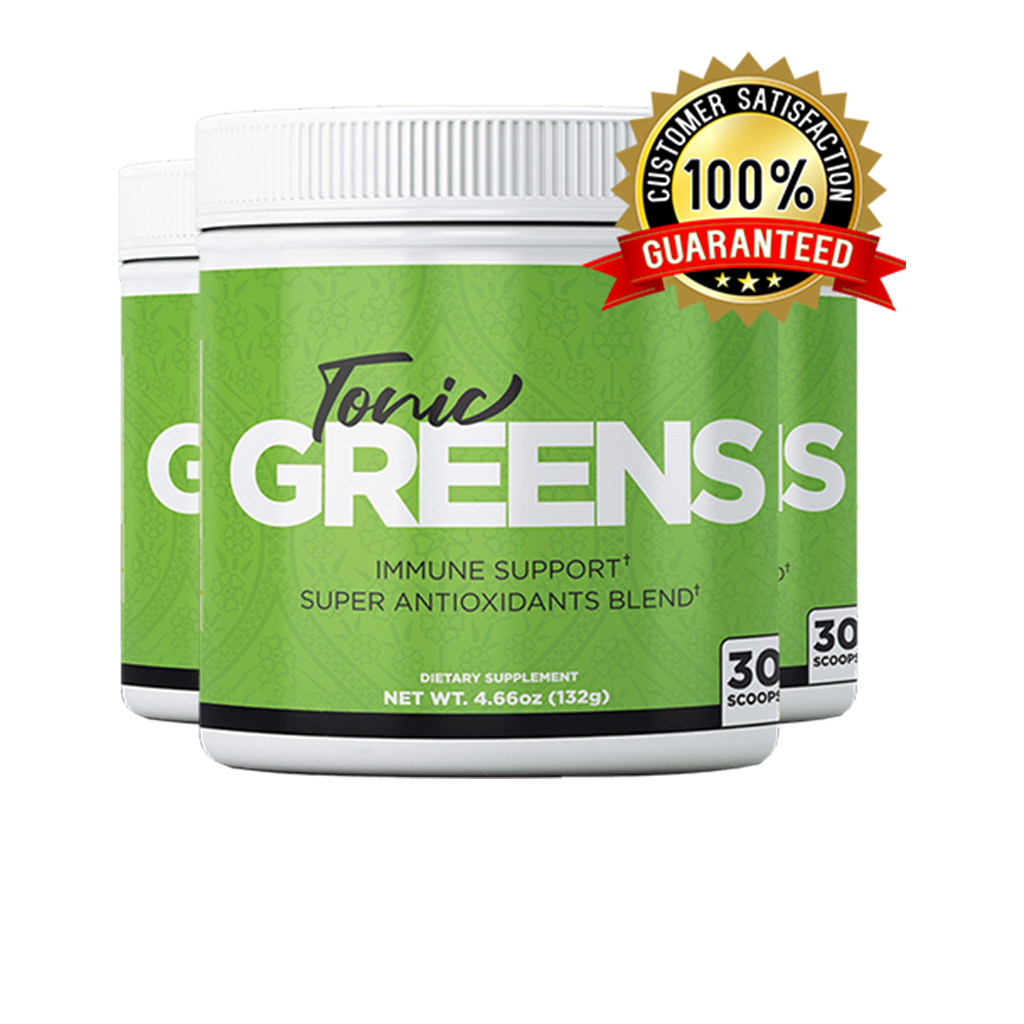
Related Supplement Option: TonicGreens – Boost Your Energy and Immunity Naturally!
TonicGreens: Boost Your Energy and Immunity Naturally! fits as a convenient and nutrient-rich supplement. The formula contains ingredients like Camellia sinensis (green tea extract), turmeric, curcumin, Korean ginseng root, spinach, probiotic and prebiotic mixes, and a resveratrol blend from berries. These components provide polyphenols, antioxidants, adaptogens, and beneficial bacteria to fill potential nutritional gaps and support immune vitality when healthy food choices are limited.
Making Immune Support Simple and Affordable
- Shop seasonally for produce—often fresher and more budget-friendly.
- Embrace frozen and canned foods (without added sugars or sodium) to minimize waste.
- Batch cook and freeze meals for convenient, nutrient-dense options later.
- Rotate fermented foods and different protein sources to keep your microbiome and nutrient intake balanced.
- Consider a high-quality supplement to back up your grocery strategy, especially during extra-busy or stressful periods.
Key Immune-Supportive Ingredients in Shopping and Supplementation
| Ingredient | Why It Matters for Immunity |
|---|---|
| Vitamin C (citrus, berries, bell peppers) | Powerful antioxidant; supports immune cell function and barrier defense |
| Probiotics (yogurt, kefir, fermented foods) | Promotes healthy gut microbiome, supporting immune regulation |
| Prebiotic fiber (onions, garlic, leeks, oats, artichokes) | Feeds beneficial bacteria for gut-immune balance |
| Vitamin D (salmon, eggs, fortified dairy or alt-milks) | Supports normal immune cell response |
| Turmeric & Curcumin | Contains antioxidants that modulate inflammation and cell health |
| Green Tea Extract (Camellia sinensis) | Rich in polyphenols, supports antioxidant status and immune cell activity |
| Korean Ginseng | Adaptogen, may help with resilience to physical stress |
| Berries (blueberries, blackberries, raspberries) | Provide vitamin C, fiber, and polyphenolic compounds |
| Spinach & Leafy Greens | Good source of folate, beta-carotene, flavonoids, and fiber |
| Resveratrol (from grapes and berries) | Antioxidant that supports cellular defense mechanisms |
Related Product Table
| Product ID | Product Name | Product Page URL | Why It Fits |
|---|---|---|---|
| 154 | TonicGreens: Boost Your Energy and Immunity Naturally! | View Product | Comprehensive blend with antioxidants, adaptogens, probiotics, and vitamins that fill dietary gaps for immune support |
Unique Takeaways for Immune-Strengthening Grocery Routines
- Prioritize variety across food groups for broad-spectrum immune nutrients.
- Balance convenience with nutrition using both fresh and shelf-stable options.
- Scan labels for immune-supportive vitamins, minerals, and fiber—aiming for whole ingredients and minimal fillers.
- Supplements like TonicGreens are practical for busy days or extra immune support.
- Smart shopping and preparation empower you to support your immune health all year round.
Useful information
- Disclaimer: This article contains affiliate links to products. We may receive a commission for purchases made through these links.
Related listings
-
Top Foods That Naturally Support Immune HealthFoods That Support Immune Health
Every day, your immune system protects you from potential threats and helps you stay well. One of the most powerful ways to support your natural defenses is through the foods you choose. A balanced diet filled with key nutrients helps immune cells function at their best and maintain a strong, responsive system. How Diet Impacts Immune System Functi...
-
Key Nutrients to Strengthen Your Immunity: Food and SupplementFoods That Support Immune Health
Essential Nutrients for Immune Support Your immune system relies on a network of nutrients to operate at its best. Focusing your meals and supplements around certain vitamins, minerals, and botanicals offers concrete ways to support your natural defenses. Here are the key nutrients, their food sources, and routine tips for daily nourishment. Top Im...
-
Meal Prep Ideas Featuring Immune-Boosting IngredientsFoods That Support Immune Health
Planning a Week of Meal Prep for Immune Support Prepping meals in advance not only saves time but also sets you up for consistent, balanced nutrition. By choosing ingredients rich in key vitamins, minerals, antioxidants, and natural probiotics, you can build weeklong menus that help support your body's natural immune defenses. Below, we'll guide yo...


Health supplements