Foods That Support Immune Health: Foods, Nutrients, and Supplement Supplement Free
- Location: United States
Supporting Immune Health with Foods and Nutrients
A healthy immune system helps the body defend against everyday challenges. While various factors influence immunity, your food choices play a daily role in supporting immune function. Here’s a practical guide on foods, ingredients to look for, and how to compare immune-support supplement options.
Top Foods That Support Immune Health
- Citrus Fruits (Oranges, Lemons, Grapefruit): High in vitamin C, which helps protect cells by functioning as an antioxidant and plays a direct role in immune response.
- Leafy Greens (Spinach, Kale, Swiss Chard): Rich in vitamins A, K, C, folate, and antioxidants like lutein to help control inflammation and support healthy cell function.
- Berries (Blueberries, Strawberries): Provide antioxidants (including vitamin C and polyphenols) that can support overall cell defenses.
- Fatty Fish (Salmon, Sardines, Mackerel): Good source of omega-3 fatty acids EPA and DHA, important for regulating immune cell activity.
- Garlic and Onions: Contain sulfur compounds and prebiotics that feed healthy gut bacteria and help support immunity.
- Yogurt and Fermented Foods (Kefir, Kimchi, Sauerkraut): Deliver probiotics to promote gut microbiome balance, which is closely linked to healthy immune response.
- Nuts and Seeds (Almonds, Walnuts, Chia): Offer vitamin E, zinc, selenium, and other micronutrients aiding immune cell development.
- Broccoli and Cruciferous Vegetables: Packed with vitamins C, E, and A and plant compounds for antioxidant defense.
Key Immune-Related Nutrients and Why They Matter
| Nutrient or Ingredient | Role for Immune Health |
|---|---|
| Vitamin C | Supports normal immune cell function and antioxidant defense. |
| Zinc | Required for development and function of immune cells; involved in many enzyme systems. |
| Vitamin D | Essential for immune signaling and healthy immune cell activation. |
| Probiotics | Balance gut microbiome, indirectly supporting immune responses. |
| Elderberry Extract | Delivers antioxidants (anthocyanins, flavonoids) linked to seasonal immune support. |
| Garlic Extract | Provides allicin and sulfur compounds with supportive antioxidant properties. |
| Echinacea | Studied for immune-supportive botanical properties. |
Comparing Food Sources and Supplements
While a balanced diet should be the primary source of nutrients, supplements can help fill gaps or deliver concentrated immune-supportive ingredients. Here’s how to compare options:
- Check that supplement formulas include researched doses of key immune nutrients (like vitamin C, zinc, and vitamin D3).
- Botanical additions (such as Echinacea, garlic extract, elderberry extract) may provide compounded benefits when included with core vitamins and minerals.
- Look for supplement products from reputable manufacturers with clear ingredient sourcing and transparent labeling.
- Consider combinations that align with your specific food or nutrient needs, e.g. if you do not eat dairy, a supplement providing vitamin D may be especially relevant.
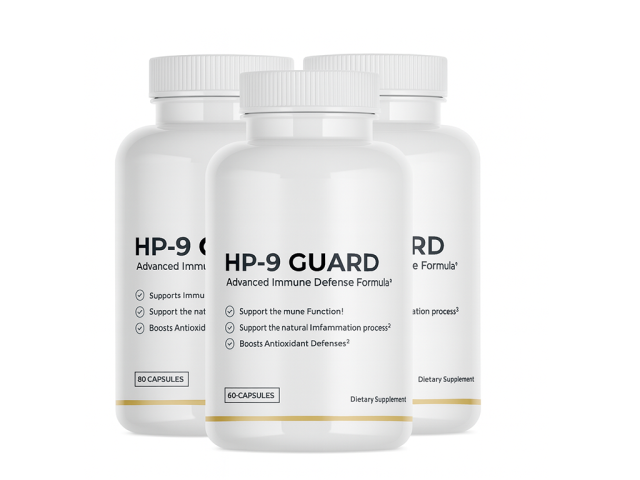
Example: HP9 Guard Immune Support Supplement
One example is HP9 Guard: Boost Your Immune System Now!, a supplement designed to complement everyday nutrition and support your immune system. Its formula includes vitamin C, zinc, vitamin D3, garlic extract, elderberry extract, echinacea extract, and essential vitamins that have all been associated with immune support in food or supplement form. This combination blends well-researched micronutrients with traditional botanicals for a well-rounded approach.
| Product ID | Product Name | Product Page URL | Why It Fits |
|---|---|---|---|
| 175 | HP9 Guard: Boost Your Immune System Now! | View Product | Features core immune-support nutrients (vitamin C, zinc, D3), plus elderberry, echinacea, and garlic extract; covers key ingredients discussed here. |
Reading Labels: What to Look For
- Ingredient List: Prioritize formulas with transparent labeling and active forms—look for amounts of vitamin C, D3, zinc, and botanical extracts.
- Serving Size and Dosage: Check if the amounts align with common dietary recommendations.
- Additives: Minimize fillers and artificial colorings where possible.
- Batch Testing: Where possible, select supplements tested for purity and potency.
Routine Use: Incorporating Foods and Supplements
- Target a daily mix of colorful produce (leafy greens, citrus, berries).
- Include probiotic-rich fermented foods several times per week.
- Use nuts or seeds as snacks for extra micronutrients.
- If choosing a supplement, use it as directed on the label and pair with a varied, nutrient-rich diet.
Ingredient Table for Immune Support
| Ingredient | Description |
|---|---|
| Vitamin C | Antioxidant, supports various immune cell functions, found in citrus, peppers, and leafy greens. |
| Zinc | Mineral essential for immune defense and development, abundant in seeds, nuts, and whole grains. |
| Vitamin D3 | Active form of vitamin D supporting immune cell activation, present in fortified foods and fatty fish. |
| Garlic Extract | Concentrated from garlic bulbs; contains beneficial sulfur compounds and prebiotic fiber. |
| Echinacea Extract | Botanical extract traditionally used for seasonal support. |
| Elderberry Extract | Source of antioxidant anthocyanins and flavonoids; often used during seasonal changes. |
Takeaways
- A robust immune system starts with a balanced diet rich in fruits, vegetables, lean proteins, and healthy fats.
- Key nutrients like vitamin C, zinc, and vitamin D3, as well as ingredients like elderberry, garlic, and echinacea, all play important roles in supporting your body’s natural defenses.
- If you choose to supplement, look for clear labeling, well-researched ingredients, and formulas that align with your daily dietary habits.
- Practical daily routines—such as including fermented foods and a wide variety of produce—can work alongside thoughtfully chosen supplements for comprehensive immune support.
Useful information
- Disclaimer: This article contains affiliate links to products. We may receive a commission for purchases made through these links.
Related listings
-
Top Foods That Naturally Support Immune HealthFoods That Support Immune Health
Every day, your immune system protects you from potential threats and helps you stay well. One of the most powerful ways to support your natural defenses is through the foods you choose. A balanced diet filled with key nutrients helps immune cells function at their best and maintain a strong, responsive system. How Diet Impacts Immune System Functi...
-
Key Nutrients to Strengthen Your Immunity: Food and SupplementFoods That Support Immune Health
Essential Nutrients for Immune Support Your immune system relies on a network of nutrients to operate at its best. Focusing your meals and supplements around certain vitamins, minerals, and botanicals offers concrete ways to support your natural defenses. Here are the key nutrients, their food sources, and routine tips for daily nourishment. Top Im...
-
Meal Prep Ideas Featuring Immune-Boosting IngredientsFoods That Support Immune Health
Planning a Week of Meal Prep for Immune Support Prepping meals in advance not only saves time but also sets you up for consistent, balanced nutrition. By choosing ingredients rich in key vitamins, minerals, antioxidants, and natural probiotics, you can build weeklong menus that help support your body's natural immune defenses. Below, we'll guide yo...


Health supplements