Daily Nutrition Habits for Foods That Promote Better Sleep Supplement Free
- Location: United States
How Daily Nutrition Choices Affect Sleep Quality
Many people struggle with falling asleep or staying asleep. While sleep hygiene and stress management are essential, the foods you consume throughout the day, especially in the evening, can have a profound impact on your natural sleep cycle and relaxation capacity. Developing daily nutrition habits that support restful sleep starts with understanding which foods and nutrients encourage your body’s own sleep-promoting mechanisms.
Nutrition Habits and Foods That Help Promote Better Sleep
Certain foods contain vitamins, minerals, and natural compounds that play a direct or indirect role in supporting relaxation, winding down, and triggering healthy sleep signals. Here’s how you can build daily nutrition habits to naturally support restful nights:
Key Sleep-Supportive Ingredients from Everyday Foods
| Ingredient | How It Supports Sleep | Example Foods |
|---|---|---|
| Magnesium | Helps relax muscles and calm the nervous system | Spinach, almonds, oats |
| Melatonin | Regulates the sleep-wake cycle | Oats, eggs, nuts, cherries |
| L-Theanine | Promotes relaxation without drowsiness | Green tea |
| 5-HTP & Tryptophan | Precursor to serotonin and melatonin | Eggs, seeds, turkey, oats |
| Calcium | Helps the brain use tryptophan to make melatonin | Dairy, yogurt, leafy greens |
| Lemon Balm & Ashwagandha | Herbal support for relaxation and stress balance | Herbal teas, supplement blends |
| Zinc | Plays a supportive role in neurotransmitter function | Eggs, spinach, pumpkin seeds |
Daily Food Routine Tips for Sleep Support
- Breakfast: Include oats, eggs, or yogurt to supply tryptophan and balance energy for the day ahead.
- Lunch: Incorporate leafy greens such as spinach or kale, along with nuts and seeds for magnesium and zinc.
- Mid-afternoon: Consider herbal teas (lemon balm or chamomile) or a snack of yogurt with bananas.
- Dinner: Focus on calming, nutrient-dense meals—think salmon with steamed spinach or a turkey and grain bowl with plenty of vegetables.
- Before Bed: Choose a light snack such as oatmeal, a few almonds, or a small portion of cottage cheese to provide building blocks for sleep-promoting hormones, but avoid heavy, rich, or high-caffeine foods late at night.
Sample Day of Sleep-Friendly Meals
| Meal | Example Menu |
|---|---|
| Breakfast | Oatmeal with banana and almonds, green tea (decaf optional) |
| Lunch | Spinach salad with hard-boiled eggs, pumpkin seeds, and berries |
| Snack | Greek yogurt with a drizzle of honey |
| Dinner | Grilled salmon, steamed broccoli, small serving of brown rice |
| Evening Snack | Chamomile or lemon balm tea, small bowl of oats |
How a Sleep-Focused Supplement Can Fit Your Routine
Related Product Table
| Product ID | Product Name | Product Page URL | Why It Fits |
|---|---|---|---|
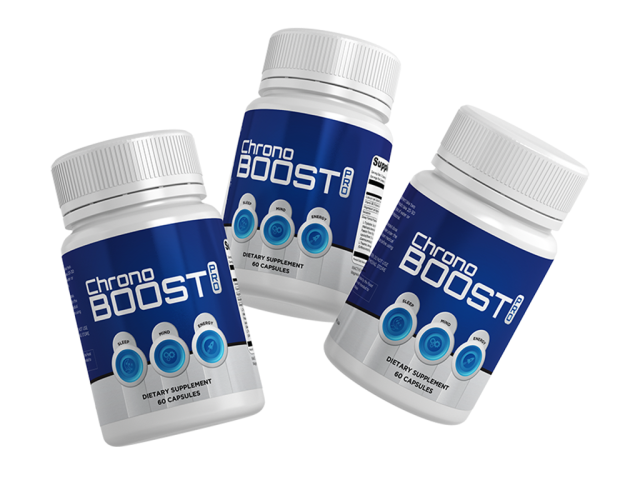
| 253 | Chronoboost: Experience the Perfect Source For Sleep | View Product | Combines magnesium, melatonin, L-theanine, 5-HTP, ashwagandha, zinc, spinach, lemon balm, and eggs—all ingredients directly related to the foods and nutrients that promote better sleep. |
Unique Takeaways for Better Sleep Nutrition
- Focus on foods rich in magnesium, melatonin, tryptophan, and calming herbs as part of your regular meals and snacks.
- Prioritize balanced meals, mindful timing of caffeine/alcohol, and protein plus complex carbs in the evening.
- Experiment with food-based and herbal teas, and optionally, supplement blends containing well-known sleep nutrients such as those in Chronoboost for additional support.
Incorporating these practical strategies into your day can naturally support your body’s sleep-wake cycle and help you find a more restful night’s sleep—all while forming enjoyable, satisfying meals.
Useful information
- Disclaimer: This article contains affiliate links to products. We may receive a commission for purchases made through these links.
Related listings
-
Foods That Promote Better Sleep: The Science and ChoicesFoods That Promote Better Sleep
The Link Between Food and Sleep Quality Good sleep is not just about bedtime routines—what you eat during the day and especially in the evening can significantly impact your ability to fall and stay asleep. Scientific evidence shows that certain nutrients and bioactive compounds in food help regulate sleep hormones and neurotransmitters, providing ...
-
Bedtime Snacks That Help You Sleep: What to Eat for a Restful NightFoods That Promote Better Sleep
Why Your Evening Snack Matters for Sleep Struggling to unwind at bedtime? The right evening snack can support relaxation and ease your transition into restful sleep. Researchers have found that meals or snacks containing calming nutrients can influence the hormones and neurotransmitters your body uses to help you fall asleep and stay asleep. Key Nu...

-
The Role of Magnesium-Rich Foods in Sleep QualityFoods That Promote Better Sleep
Understanding Magnesium’s Impact on Sleep Patterns Magnesium is an essential mineral that plays a role in hundreds of bodily processes, including nerve signaling, muscle relaxation, and stress regulation. Evidence points to its influence on sleep quality, as magnesium helps regulate neurotransmitters and hormones—such as melatonin and GABA—that sig...


Health supplements