Understanding How Leafy Greens Benefit Brain and Nerve Function Supplement 39.00 $
- Location: United States
Nutrients in Leafy Greens That Support Brain and Nerve Function
Leafy greens like spinach, kale, Swiss chard, and arugula are prized for their dense concentration of vitamins, minerals, and plant compounds. Several key nutrients in these greens directly benefit the brain and nervous system:
- Magnesium: Essential for nerve signal transmission, muscle relaxation, and calm focus. Leafy greens are among the best plant sources of magnesium.
- Folate (Vitamin B9): Needed for forming neurotransmitters and supporting healthy brain development and maintenance. Folate also contributes to DNA repair and cellular renewal.
- Vitamin C: Guards brain cells from oxidative stress and supports overall brain resilience. Also helps the body absorb iron, another nutrient vital for cognition.
- Vitamin K: Especially high in kale and spinach. Supports the integrity of brain cell membranes.
- Antioxidants (lutein, beta-carotene, flavonoids): Help protect delicate nerve cells and maintain healthy cerebral blood flow.
The Science: How Leafy Green Nutrients Affect the Brain and Nerves
Scientific research points to impressive brain benefits tied to leafy green consumption. Here’s how key nutrients in these foods work synergistically:
- Magnesium calms overactive nerves, supports electrical stability in the brain, and plays a role in mood and mental clarity.
- Folate is essential for synthesizing both the neurotransmitters that regulate mood and cognitive speed, and for maintaining the myelin sheaths that insulate nerve fibers.
- Vitamin C and plant antioxidants neutralize free radicals and reduce oxidative burden, supporting memory and processing speed.
- Lutein and beta-carotene interact with cell membranes in nerves and may support visual-spatial skills and information processing.
Studies have found people who regularly eat more leafy greens tend to perform better on cognitive tests, with slower age-related memory changes and sharper executive function.
Easy Ways to Eat More Leafy Greens Every Day
Eating more greens doesn’t have to be a challenge. Try these practical recipe tips and daily routines:
- Add a handful of baby spinach or kale to morning smoothies for a nutrition boost.
- Stir chopped Swiss chard or arugula into scrambled eggs or omelets.
- Layer greens as the base for lunch salads, pairing with berries, nuts, or seeds for added brain support.
- Mix finely chopped leafy greens into stews, curries, stir-fries, or pasta dishes.
- Snack on collard or kale chips—homemade or store-bought.
Sample Brain-Friendly Green Smoothie Recipe
- 1 cup baby spinach
- 1/2 banana
- 1/2 cup frozen blueberries
- 1 tbsp chia seeds
- 1 cup unsweetened almond milk
- Blend until smooth and enjoy!
The Most and Least Nutrient-Dense Greens for Brain Health
| Leafy Green | Brain-Supporting Nutrients | Nutrient Density (Per 100g) |
|---|---|---|
| Kale | High in vitamin K, lutein, beta-carotene, B6, C, calcium | Very High |
| Spinach | Rich in folate, magnesium, iron, vitamin C, lutein | Very High |
| Swiss Chard | Magnesium, vitamin K, vitamin A, antioxidants | High |
| Arugula | Folate, vitamin C, calcium, glucosinolates | High |
| Iceberg Lettuce | Minimal nutrient richness | Low |
| Butter Lettuce | Some vitamin K and folate | Medium |
When Eating Enough Greens Is Difficult: Supplement Options
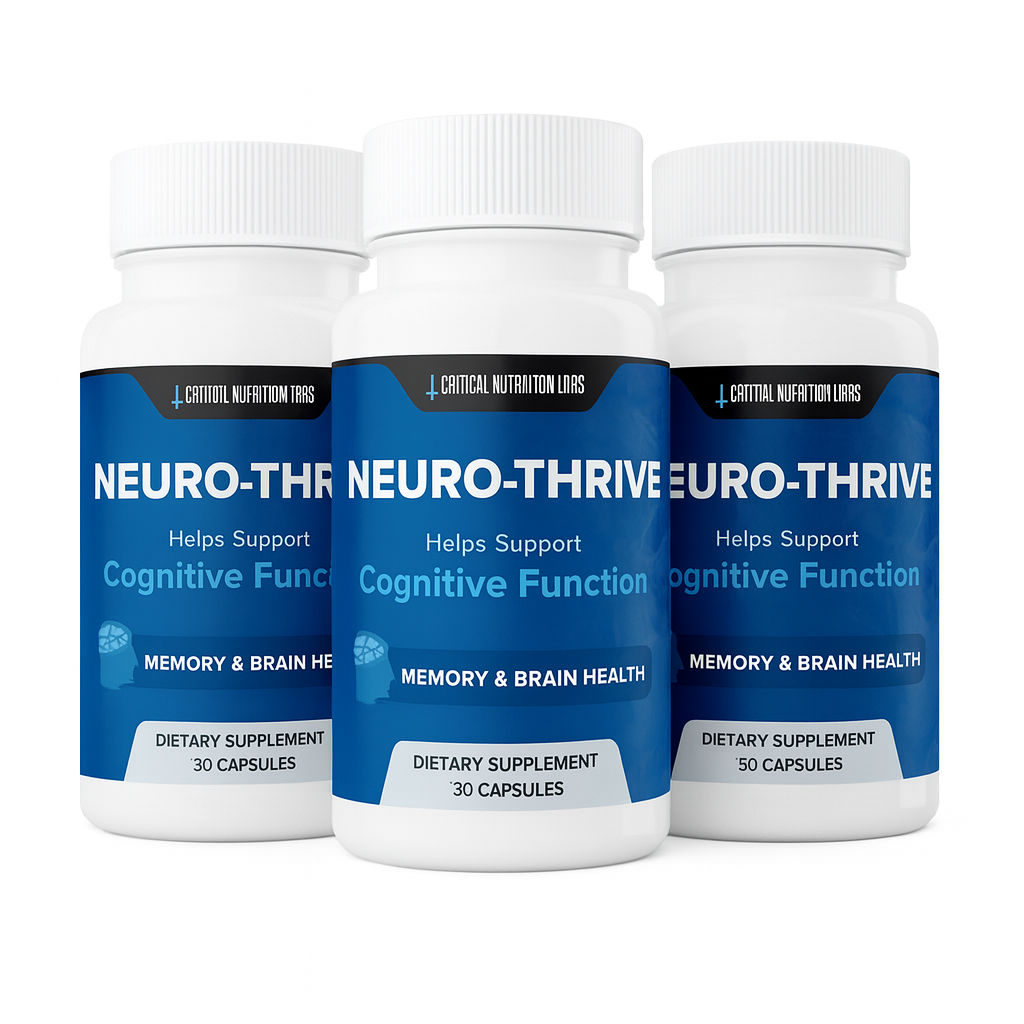
If you struggle to meet your daily leafy greens intake, targeted supplements can offer a helpful alternative. The NeuroThrive: Boost Your Brain Power and Focus Today supplement blends concentrated plant extracts—including leafy greens—with magnesium, berries, omega-3 DHA, and brain-focused nutrients like bacopa and lion's mane mushroom. This makes it suitable for those looking to conveniently support cognitive function and nerve health, especially when daily diets fall short on fresh greens.
Key Ingredients in Leafy Greens for Brain and Nerve Health
| Ingredient | Role in Brain & Nerve Health |
|---|---|
| Magnesium | Supports nerve transmission, muscle relaxation, and calm focus |
| Folate (B9) | Essential for neurotransmitter synthesis and nerve protection |
| Vitamin C | Antioxidant, helps protect brain cells from oxidative damage |
| Lutein | Maintains brain cell membrane health, supports cognition |
| Beta-carotene | Antioxidant and precursor to vitamin A, essential for neural signaling |
Related Product Table
| Product ID | Product Name | Product Page URL | Why It Fits |
|---|---|---|---|
| 68 | NeuroThrive: Boost Your Brain Power and Focus Today | View Product | Contains concentrated leafy greens, magnesium, berries, DHA, and evidence-based nutrients for brain and nerve support. |
Key Takeaways
- Leafy greens are versatile, nutrient-packed foods that powerfully support cognitive performance and nerve signaling thanks to nutrients like magnesium, folate, lutein, and vitamin C.
- Kale and spinach are standouts for brain-boosting nutrition, while iceberg lettuce offers far less.
- Daily recipes like smoothies, salads, or sautéed greens are practical and enjoyable ways to meet your needs.
- Supplement options such as NeuroThrive provide a concentrated, research-backed blend for convenience, especially when diet alone is insufficient.
Useful information
- Disclaimer: This article contains affiliate links to products. We may receive a commission for purchases made through these links.
Related listings
-
Top Foods That Support Nerve Health and Cognitive PerformanceFoods and Nutrients for Cognitive Performance
Overview: Foods for Nerve and Brain Health Maintaining strong nerve function and cognitive performance goes beyond genetics and lifestyle—your daily diet plays a decisive role. Modern science highlights several foods rich in nutrients essential for supporting nerve health, memory, mental focus, and overall cognitive well-being. In this article, we’...
-
Omega-3 Fats: Essential Nutrients for Nerve Support and MentalFoods and Nutrients for Cognitive Performance
What are Omega-3 Fatty Acids and Why Are They Crucial for Nerve Function? Omega-3 fatty acids are essential polyunsaturated fats that play a key role in building and protecting nerve cells throughout the body. Their most well-known types are DHA (docosahexaenoic acid) and EPA (eicosapentaenoic acid), both of which are especially important for brain...

-
Simple Grocery Habits for Better Nerve Health and Brain EnergyFoods and Nutrients for Cognitive Performance
How to Organize a Shopping List for Brain and Nerve Nutrition Supporting nerve health and steady brain energy starts with a thoughtful shopping list. Choose foods naturally rich in vitamins, minerals, antioxidants, healthy fats, and plant phytonutrients. Organize your list by food groups, focusing on high-impact staples: Proteins: eggs, Greek yogur...


Health supplements