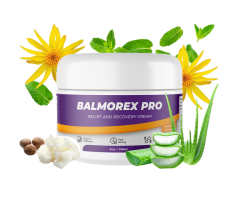
What it does: Arnica Oil provides bioactive compounds like sesquiterpene lactones and flavonoids, which are studied for their ability to support local circulation, comfort, and the body’s response to minor inflammation or trauma.
How it is used: It is most commonly applied externally to areas affected by muscle aches, bruises, or swelling after physical activity to support temporary relief and promote recovery.
Natural sources and supplement forms: Derived exclusively from Arnica montana flowers, the oil is prepared by infusion and found in topical balms, creams, gels, and massage oils meant for external use only.
Why it appears in supplement formulas: Arnica Oil is included for its longstanding use in supporting comfort, soothing minor bruising, and easing muscle soreness in topical recovery blends.
What to know before use: Arnica Oil should never be ingested or used on broken skin, as it can cause irritation or adverse effects if absorbed in significant amounts.
Interesting Fact
Arnica Oil: A Mountain Flower Tradition
Arnica oil is derived from the bright yellow flowers of the Arnica montana plant, which grows in mountainous regions of Europe and North America. Traditionally, arnica has been used in topical preparations, drawing on natural compounds found in its flowers such as sesquiterpene lactones. Its inclusion in modern supplements reflects a centuries-long appreciation for this mountain flower's unique botanical profile.