Ingredient Guide

Betaine

Betaine, also known as trimethylglycine, is a naturally occurring compound found in foods like beets and whole grains. It supports liver health and cardiovascular function by helping regulate homocysteine levels, and is often used by athletes to support muscle strength and recovery.

2 related supplements 0 related articles Ingredient database

Betaine

Explore supplement formulas that feature this ingredient and compare useful context before you choose a product.

2Products
0Articles
Ingredient guide

Betaine

What it is: Betaine is a naturally occurring nutrient, chemically known as trimethylglycine, and is related to the amino acid glycine. It functions as a methyl donor, aiding important biochemical reactions in the body.
What it does: Betaine helps the body process homocysteine, which supports cardiovascular health and normal blood vessel function. It also contributes to liver health and plays a role in cellular energy production.
How it is used: Betaine is commonly used in supplements aimed at supporting liver and heart health, as well as in sports nutrition to help with muscle power, physical performance, and exercise recovery.
Natural sources and supplement forms: Naturally present in foods like beets, spinach, whole grains, and shellfish, betaine in supplements is usually found as betaine anhydrous or betaine hydrochloride (HCl) in powder, capsule, or tablet form.
Why it appears in supplement formulas: Brands add betaine for its ability to support healthy methylation processes, aid liver function, and promote enhanced muscle performance, particularly for athletes and active individuals.
What to know before use: Betaine is generally well tolerated, though some people may experience mild stomach discomfort at higher doses. Consult your doctor if you have kidney problems or take medications that affect methylation.
Interesting Fact

Betaine: A Nutrient Found in Beets and Whole Grains

Betaine is a naturally occurring compound that your body can get from foods like beets, spinach, and whole grains. In the body, it acts as a methyl donor, which simply means it helps carry and transfer tiny chemical groups needed for normal cell processes. This unique role is why betaine is a popular ingredient in supplements aimed at supporting metabolic health.
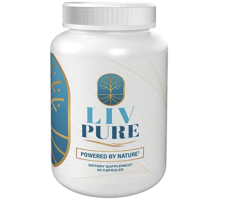
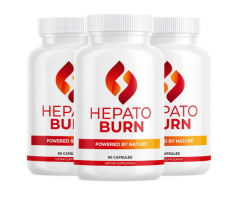
FAQ

Frequently Asked Questions About Betaine

What is betaine and how does it function in the body?

Betaine, also known as trimethylglycine, acts as a methyl donor in the body, supporting crucial biochemical reactions. It is involved in the conversion of homocysteine to methionine, a process important for maintaining normal homocysteine levels and overall metabolic health. Betaine's methylation support also benefits liver function and cellular metabolism.

What are the main reasons betaine is included in dietary supplements?

Betaine is commonly included in supplements to support healthy metabolism, promote normal liver function, maintain healthy homocysteine levels, and assist exercise performance, particularly power and strength output. Its role in methylation makes it valuable for supporting cardiovascular and liver health in various formulas.

What are the natural sources of betaine, and how do supplement forms compare?

Betaine naturally occurs in foods such as beets, spinach, whole grains, and shellfish. Supplemental betaine is typically available as betaine anhydrous or betaine hydrochloride (HCl), found in capsules, tablets, or powders. The anhydrous form is most common in performance and metabolic support products due to its high purity.

Are there any precautions or interactions to consider with betaine supplements?

Betaine supplements are generally well tolerated, but high amounts may cause mild digestive discomfort in some users. Individuals with kidney or heart disease should seek medical advice before using betaine, as it may affect certain metabolic pathways. Always consult a healthcare provider if you have underlying conditions or take prescription medications.


Health supplements

buy supplements