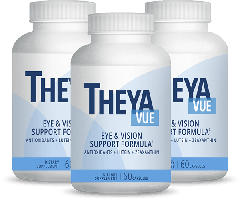
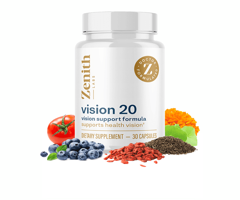
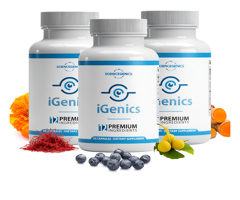
What it does: Bilberry extract provides anthocyanins that support healthy blood vessels, especially in the eyes, and help the body protect cells from oxidative stress. It is often studied for its connection to retinal health, visual acuity, and microcirculation.
How it is used: People commonly use bilberry extract in supplements targeting eye strain, night vision, and circulatory support, as well as for general antioxidant benefits, especially when visual or capillary health is a concern.
Natural sources and supplement forms: Bilberries can be eaten fresh or in jams, but bilberry extract is typically available in capsules, tablets, or powders standardized for anthocyanin content, and sometimes combined with other nutrients for vision support.
Why it appears in supplement formulas: It is selected for its unique anthocyanins, which help support the eyes’ microvascular structure and defend against oxidative damage, making it popular for vision and vascular health supplementation.
What to know before use: Bilberry extract is generally well tolerated, but people taking blood-thinning medications should exercise caution, as it may have mild blood vessel effects.
Interesting Fact
Bilberry’s Deep Blue Hue Signals Rich Plant Compounds
Bilberry extract comes from the small, dark-blue berries of the Vaccinium myrtillus plant, which are naturally rich in anthocyanins—the same plant pigments that give blueberries their color. These compounds are valued in supplements for their antioxidant properties and are a key reason why bilberry has been part of traditional European herbal practices for centuries.