Ingredient Guide

Black Walnut

Black walnut is the fruit and green hull of the Juglans nigra tree, containing compounds like juglone and tannins. It is commonly used in supplements to support digestion, promote a healthy microbial balance in the gut, and provide antioxidant effects.

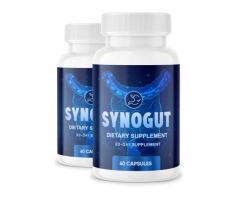
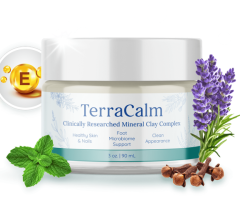
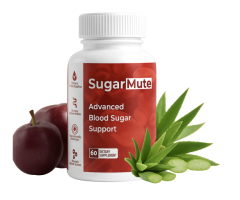
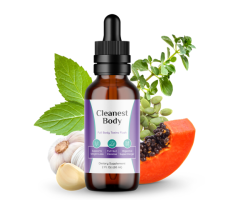
4 related supplements 0 related articles Ingredient database

Black Walnut

Explore supplement formulas that feature this ingredient and compare useful context before you choose a product.

4Products
0Articles
Ingredient guide

Black Walnut

What it is: Black walnut is the fruit and outer green hull of the Juglans nigra tree, a hardwood tree native to North America. The hull contains bioactive compounds such as juglone, tannins, and flavonoids.
What it does: Black walnut hull is used to support digestive health, promote a healthy balance of microorganisms in the gut, and provide antioxidant benefits due to its natural polyphenols.
How it is used: It is typically found in supplements for digestive cleansing, gut comfort, and in blends aimed at supporting intestinal health, including anti-parasite and cleansing formulas.
Natural sources and supplement forms: Black walnut hull is harvested from the green outer covering of Juglans nigra fruit and appears as powders, liquid extracts, tinctures, or capsules in supplements.
Why it appears in supplement formulas: It is valued for its traditional connection with gut health, its natural cleansing compounds, and its role as a botanical antioxidant.
What to know before use: Individuals with tree nut allergies should avoid black walnut, and consultation with a healthcare provider is recommended during pregnancy, breastfeeding, or when taking medications.
Interesting Fact

Black Walnut: A Tree Nut with a Unique Heritage

Black walnut (Juglans nigra) is native to North America and is known for its rich, earthy flavor and robust dark shells. The hulls of black walnuts have a long tradition of use in herbal practices, and the nuts are also a natural source of essential fatty acids, plant sterols, and tannins. Its diverse compounds are why black walnut appears in many supplement blends today.
FAQ

Frequently Asked Questions About Black Walnut

What are the main active compounds in black walnut hull used in supplements?

Black walnut hull is rich in plant compounds such as tannins, juglone, and polyphenols. Tannins are associated with mild astringent effects, while juglone is a natural chemical studied for its antimicrobial activities. These compounds are the focus of most black walnut supplements, particularly those targeting digestive and microbial balance.

How is black walnut commonly used in dietary supplements?

Black walnut is most often included in supplements aimed at supporting digestive health, gut microbial balance, and natural cleansing. Its hull is typically dried and ground into powder, used as an extract, or made into a tincture. It frequently appears in combination formulas for digestive cleanse or with other botanicals that target gut support.

Are there safety concerns or allergy risks with black walnut supplements?

Black walnut is a true tree nut, so individuals with nut allergies should avoid supplements containing it or consult a healthcare provider first. Additionally, because it has traditional laxative properties and can affect gut flora, pregnant or breastfeeding individuals and those with certain digestive conditions should seek medical guidance prior to use.

How does black walnut compare to English walnut in supplements?

Black walnut (Juglans nigra) differs from English walnut (Juglans regia) in both nutritional profile and phytochemical content. Black walnut hull is particularly valued for its high juglone and tannin content, which are less prevalent in English walnut. As a result, black walnut is more commonly used for digestive and cleansing support in supplements, while English walnut is primarily consumed as a food or for general nutrition.


Health supplements

buy supplements