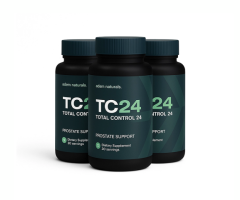
What it does: Boron supports the body's use of minerals such as calcium, magnesium, and phosphorus, plays a role in building and maintaining healthy bones, and is connected with the regulation of vitamin D and estrogen activity.
How it is used: Boron is commonly used in supplement products for bone and joint health, hormone support, and sometimes to aid cognitive or metabolic function.
Natural sources and supplement forms: Natural sources include fruits (like apples, raisins), nuts, avocados, leafy greens, and dried legumes. In supplements, boron typically appears as boron citrate, glycinate, or other chelated mineral forms, usually in capsules or tablets.
Why it appears in supplement formulas: It is valued for supporting healthy bones, optimizing the metabolism of other minerals, and promoting hormonal balance based on its biological actions.
What to know before use: While regular dietary boron is safe for most adults, excess intake from supplements can cause side effects; those who are pregnant, breastfeeding, or have hormone-sensitive conditions should seek medical advice before using boron supplements.
Interesting Fact
Boron: A Trace Mineral Found in Many Plant Foods
Boron is a naturally occurring element present in foods like apples, raisins, nuts, and leafy greens. Although the body needs only small amounts, boron is often included in supplement formulas because it supports the natural functions of enzymes and the effective use of other minerals, such as magnesium and phosphorus. Its presence in a varied diet highlights the value of plant-based nutrition.