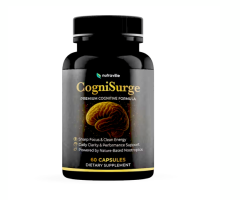
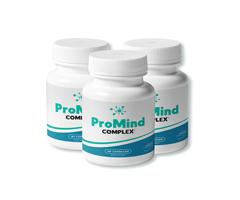
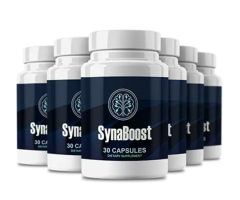
Ingredient Guide

Choline

Choline is an essential, water-soluble nutrient that helps the body build and maintain healthy cell membranes, make the neurotransmitter acetylcholine for brain and nerve function, and transport fats in the liver. People use choline supplements for cognitive health, liver support, and during pregnancy to aid fetal brain development.

12 related supplements 1 related articles Ingredient database

Choline

Explore supplement formulas that feature this ingredient and compare useful context before you choose a product.

12Products
1Articles
Ingredient guide

Choline

What it is: Choline is a vital, water-soluble nutrient often grouped with B vitamins. It plays a key role in making phospholipids for cell structures and is a chemical precursor to the neurotransmitter acetylcholine.
What it does: Choline supports memory, concentration, nerve signaling, and is involved in healthy fat metabolism and transport within the liver. It also contributes to normal brain development in infants and during pregnancy.
How it is used: Choline is commonly taken for brain and cognitive support, in prenatal supplements for fetal neurological development, and for maintaining normal liver function and metabolic balance.
Natural sources and supplement forms: Choline occurs in foods like eggs, beef liver, fish, chicken, broccoli, soybeans, and wheat germ. Supplement forms include choline bitartrate, phosphatidylcholine, and alpha-GPC.
Why it appears in supplement formulas: Choline is included to support cognitive function, healthy liver activity, and to help meet dietary needs, especially in people with low intake or increased requirements during pregnancy.
What to know before use: Taking high doses may cause digestive upset or a fishy body odor; individuals who are pregnant, breastfeeding, or taking medication should talk to a healthcare provider before using supplements.
Interesting Fact

Choline: Key Nutrient for Cell Structure

Choline is an essential nutrient your body uses to build cell membranes. It plays a vital structural role in creating phospholipids, which make up the protective walls of every cell. Choline is also naturally found in foods like eggs, liver, and peanuts, making it an important part of diets that support overall cellular health and function.
FAQ

Frequently Asked Questions About Choline

What are the main forms of choline found in dietary supplements?

The most common forms of choline in supplements are choline bitartrate, phosphatidylcholine, and alpha-GPC. Each form varies in absorption rate and how it supports the body. Alpha-GPC and phosphatidylcholine are especially noted for supporting brain health, while choline bitartrate is often used for general choline supplementation.

What foods are naturally rich in choline?

Natural sources of choline include eggs (especially the yolks), beef liver, chicken, fish, soybeans, and peanuts. Incorporating these foods into your diet can help you get more choline from whole food sources, especially if you’re looking to support brain and liver health.

How does choline support cognitive function and memory?

Choline is involved in the production of acetylcholine, a neurotransmitter associated with memory, learning, and muscle control. By supporting acetylcholine synthesis, choline is commonly used in cognitive health supplements aimed at supporting focus, mental clarity, and overall brain function.

Are there any side effects or safety concerns when taking choline supplements?

Choline is generally safe when used at recommended amounts, but high doses may cause digestive discomfort or a fishy body odor in some people. People who are pregnant, nursing, or taking medications should consult a healthcare professional before using choline supplements, as individual needs and tolerances may vary.


Health supplements

buy supplements