Ingredient Guide

Cinnamon

Cinnamon is a fragrant spice from the inner bark of Cinnamomum trees, rich in cinnamaldehyde and polyphenols. It is commonly used in supplements to support healthy blood sugar metabolism, provide antioxidant protection, and help maintain metabolic balance.

12 related supplements 1 related articles Ingredient database

Cinnamon

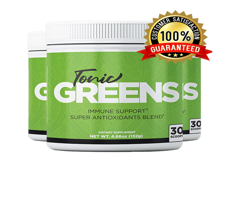
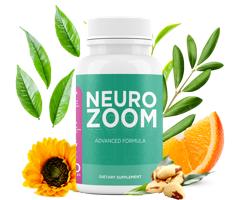
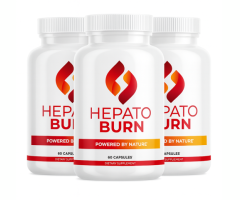
Explore supplement formulas that feature this ingredient and compare useful context before you choose a product.

12Products
1Articles
Ingredient guide

Cinnamon

What it is: Cinnamon is an aromatic spice obtained from the inner bark of Cinnamomum trees, typically Cinnamomum verum (Ceylon) or Cinnamomum cassia, and contains natural oils like cinnamaldehyde and antioxidant polyphenols.
What it does: Cinnamon is studied for its ability to support glucose metabolism, promote balanced blood sugar levels, and contribute antioxidant compounds that help protect cells from oxidative stress.
How it is used: Cinnamon is often taken to support healthy blood sugar, metabolic wellness, antioxidant activity, and gastrointestinal comfort, commonly in wellness and metabolic balance supplements.
Natural sources and supplement forms: Naturally sourced from cinnamon tree bark, it appears in foods, teas, and as ground spice. Supplement forms include capsule or tablet powders, liquid extracts, and standardized extracts labeling the type (Ceylon or cassia).
Why it appears in supplement formulas: Cinnamon is included for its traditional reputation and scientific research linking its compounds to healthy blood sugar support, antioxidant benefits, and metabolic balance.
What to know before use: Cassia cinnamon can contain higher coumarin levels, which may stress the liver if consumed in large amounts. Individuals on blood sugar medication or with liver issues should use caution and consult a healthcare provider.
Interesting Fact

Cinnamon Comes from Dried Tree Bark

Cinnamon is a spice made from the inner bark of Cinnamomum trees, traditionally harvested by peeling and drying the bark until it curls into familiar quills. In addition to its aromatic flavor, cinnamon has been valued for centuries in cooking and herbal traditions. The essential oils and natural compounds in cinnamon are what give it both its distinctive scent and its place in many supplement formulas.
FAQ

Frequently Asked Questions About Cinnamon

What is the difference between Cassia and Ceylon cinnamon in supplements?

Cassia and Ceylon are the two most common types of cinnamon used in supplements. Cassia cinnamon (Cinnamomum cassia) contains higher levels of coumarin, which can stress the liver at high intakes, while Ceylon cinnamon (Cinnamomum verum) is lower in coumarin and is considered 'true' cinnamon. Ceylon is sometimes preferred for long-term use.

How does cinnamon support healthy blood sugar levels?

Cinnamon contains bioactive compounds, such as cinnamaldehyde and polyphenols, that are studied for their ability to support healthy glucose metabolism. These compounds may help promote normal insulin sensitivity and cellular glucose uptake, which is why cinnamon is commonly used in supplements aimed at blood sugar support.

Are there any safety concerns with taking cinnamon supplements?

High doses of Cassia cinnamon can expose users to significant amounts of coumarin, a natural compound that may affect liver health if consumed excessively. It's important for those with liver concerns or who use blood sugar medications to consult a healthcare provider before starting cinnamon supplements.

Which forms of cinnamon are commonly found in dietary supplements?

Cinnamon supplements are typically available as powdered bark, concentrated extracts, or encapsulated powders. Some products specify the source (Cassia or Ceylon), and others may focus on a standardized extract for certain compounds like cinnamaldehyde or polyphenols for targeted support.


Health supplements

buy supplements