Ingredient Guide

Cinnamon Bark

Cinnamon Bark is the dried inner bark of Cinnamomum trees, known for its high content of cinnamaldehyde and polyphenols. It is used in supplements to support healthy blood sugar metabolism, antioxidant defenses, and overall metabolic wellness.

6 related supplements 1 related articles Ingredient database

Cinnamon Bark

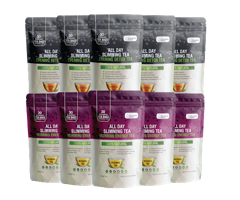
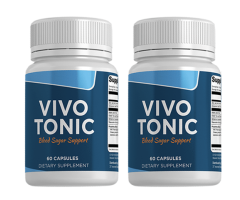
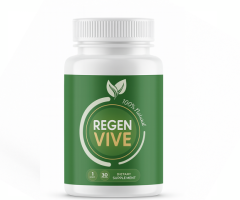
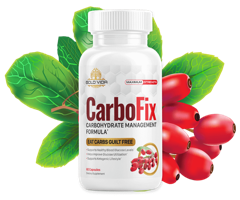
Explore supplement formulas that feature this ingredient and compare useful context before you choose a product.

6Products
1Articles
Ingredient guide

Cinnamon Bark

What it is: Cinnamon Bark is the aromatic inner bark of trees from the Cinnamomum genus, harvested and dried as a spice or supplement. It contains natural compounds like cinnamaldehyde, eugenol, and a variety of polyphenols.
What it does: Cinnamon Bark is studied for its ability to support balanced blood sugar levels, provide antioxidant action, and help maintain healthy metabolic and circulatory function.
How it is used: Commonly taken for metabolic and glucose support, cardiovascular wellness, and as an antioxidant-rich addition to general health formulas.
Natural sources and supplement forms: Derived from the bark of Cinnamomum verum or Cinnamomum cassia trees, it is available as whole or powdered bark, concentrated extracts, and capsules standardized to active compounds.
Why it appears in supplement formulas: Chosen for traditional use in blood sugar and wellness practices, and for its bioactive plant chemicals linked to antioxidant and metabolic support.
What to know before use: May influence blood sugar and insulin response; those with diabetes or using blood sugar medications should consult a healthcare professional before use.
Interesting Fact

Cinnamon Bark: A Spice with Ancient Roots

Cinnamon bark has been valued for thousands of years and was once considered more precious than gold in ancient trade. The distinctive flavor comes from cinnamaldehyde, a natural compound found in the bark’s essential oil. Today, cinnamon bark extract is used in supplements for its rich content of plant compounds and its unique aromatic profile drawn from inner tree bark.
FAQ

Frequently Asked Questions About Cinnamon Bark

What is Cinnamon Bark extract most commonly used for in supplements?

Cinnamon Bark extract is most commonly used in supplements to support healthy blood sugar metabolism, provide antioxidant activity, and promote circulatory wellness. The active compounds, such as cinnamaldehyde and various polyphenols, are involved in helping the body maintain normal oxidative balance and metabolic health.

Are there any safety concerns or interactions with Cinnamon Bark supplements?

Cinnamon Bark supplements may affect blood sugar levels and could interact with diabetes medications, potentially increasing the risk of low blood sugar. People with liver conditions should be cautious, as some types of cinnamon contain coumarin, which may stress the liver at high levels. It’s recommended to consult a healthcare professional before starting supplementation, especially if you take medications or have medical conditions.

How is Cinnamon Bark typically sourced and processed for use in dietary supplements?

Cinnamon Bark is obtained from the inner bark of Cinnamomum trees, particularly Cinnamomum verum or Cinnamomum cassia. After harvesting, the bark is dried and processed into powdered forms or extracted with solvents to concentrate key phytochemicals. Supplements may list standardized extracts, often based on their cinnamaldehyde or polyphenol content for consistent quality and potency.

Can Cinnamon Bark supplements be combined with other ingredients for enhanced benefits?

Cinnamon Bark is often included in formulations with other ingredients that support metabolic or antioxidant health, such as chromium, alpha-lipoic acid, or berberine. Pairing these ingredients may provide complementary effects on healthy blood sugar metabolism and oxidative stress, although combinations should be chosen carefully to avoid unwanted interactions or overlapping effects.


Health supplements

buy supplements