Ingredient Guide

Cordyceps

Cordyceps is a type of mushroom prized for compounds like cordycepin and beta-glucans that may help the body produce energy more efficiently and support immune system activity. People use Cordyceps supplements to promote stamina, endurance, and recovery, especially during physical exertion or periods of fatigue.

2 related supplements 0 related articles Ingredient database

Cordyceps

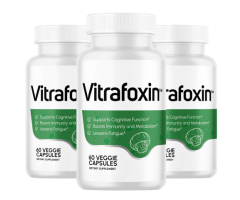
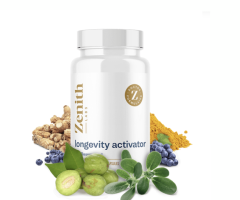
Explore supplement formulas that feature this ingredient and compare useful context before you choose a product.

2Products
0Articles
Ingredient guide

Cordyceps

What it is: Cordyceps is a fungus species, with Cordyceps militaris and Cordyceps sinensis being most common, renowned in traditional Chinese and Tibetan medicine for their unique bioactive substances such as cordycepin and polysaccharides.
What it does: Cordyceps is known for supporting cellular energy production (ATP), which is linked to improved endurance and reduced fatigue, and may also influence immune cell activity.
How it is used: Cordyceps is often taken to promote energy and stamina in sports nutrition, exercise recovery, and to help maintain immune resilience under physical or mental stress.
Natural sources and supplement forms: Wild Cordyceps fungi parasitize insects at high altitudes, but cultivated mycelium and fruiting body extracts are the primary source for supplements, which are found as capsules, powders, or liquid extracts.
Why it appears in supplement formulas: This mushroom is chosen for its potential to help maintain physical performance, boost energy, and support immune health, appealing to athletes and those experiencing fatigue or high physical demands.
What to know before use: Cordyceps is generally safe for most adults, but those with known mushroom allergies or immune conditions should consult a healthcare provider before use.
Interesting Fact

Cordyceps: A Fungus Celebrated in Himalayan Traditions

Cordyceps is a unique fungus that grows in the high-altitude regions of the Himalayas and has been valued for centuries in traditional Tibetan and Chinese wellness practices. It’s included in supplements for its natural supply of bioactive compounds known as cordycepin and polysaccharides, which are studied for their interesting roles in the body’s normal energy metabolism.
FAQ

Frequently Asked Questions About Cordyceps

What are the common forms of Cordyceps used in supplements?

Most Cordyceps supplements use either Cordyceps sinensis or Cordyceps militaris. Because wild Cordyceps is rare, nearly all products use cultivated mycelium or fruiting body extracts, which may be offered in capsules, powders, or liquid tinctures. These cultivated forms provide bioactive compounds like cordycepin and polysaccharides found in traditional sources.

How does Cordyceps support energy and stamina?

Cordyceps is studied for its ability to support the body’s natural energy production by influencing the way cells produce ATP, the primary energy molecule. Its compounds, such as cordycepin, are linked to increased endurance and reduced fatigue, which is why Cordyceps is a popular ingredient in sports and vitality supplements.

Is Cordyceps safe for people with mushroom allergies or autoimmune conditions?

Individuals with mushroom allergies should use caution with Cordyceps supplements, as reactions are possible. Those with autoimmune conditions or on immunosuppressive medications should consult a healthcare provider before use, since Cordyceps may affect immune system activity and could interact with therapies that suppress immunity.

What is the difference between Cordyceps sinensis and Cordyceps militaris in supplements?

Cordyceps sinensis and Cordyceps militaris are the most common species used in supplements. While both contain active compounds like cordycepin and polysaccharides, Cordyceps militaris is more commonly cultivated for supplements due to easier production and consistent potency. Both are used for similar wellness goals, but product labels may specify the species used.


Health supplements

buy supplements