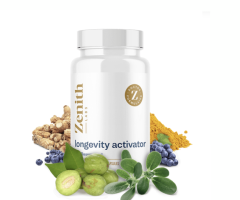
Ingredient Guide

Fisetin

Fisetin is a plant-based flavonoid found in high amounts in strawberries, apples, persimmons, and onions. It acts as a powerful antioxidant and is linked to supporting the body’s ability to manage aging cells, making it popular for cognitive support and healthy aging supplement regimens.

3 related supplements 1 related articles Ingredient database

Fisetin

Explore supplement formulas that feature this ingredient and compare useful context before you choose a product.

3Products
1Articles
Ingredient guide

Fisetin

What it is: Fisetin is a naturally occurring flavonoid, a type of plant antioxidant compound found mainly in strawberries, apples, persimmons, and onions.
What it does: Fisetin supports the body in neutralizing free radicals and helps promote the clearance of senescent (aging or dysfunctional) cells, which may influence inflammation, cognitive health, and the aging process.
How it is used: Fisetin is commonly used in supplements aimed at supporting brain health, memory, healthy aging, and cellular wellness.
Natural sources and supplement forms: Fisetin is found in significant amounts in strawberries, apples, persimmons, onions, and cucumbers. In supplements, it typically appears as an isolated or concentrated plant extract, available as capsules or powders.
Why it appears in supplement formulas: Manufacturers include fisetin for its well-studied antioxidant effects and its emerging role in promoting healthy cellular aging and brain function.
What to know before use: Fisetin is generally well tolerated, but individuals taking medications or managing ongoing health conditions should consult a healthcare professional due to possible interactions.
Interesting Fact

Fisetin: The Yellow Plant Pigment Found in Everyday Foods

Fisetin is a natural flavonoid responsible for the yellow pigment in many fruits and vegetables. It's especially abundant in strawberries, apples, persimmons, onions, and cucumbers. Consuming a diet rich in these foods naturally provides fisetin, making this compound a familiar part of everyday nutrition, even if many people are unaware of its presence and origin.
FAQ

Frequently Asked Questions About Fisetin

What natural foods are highest in fisetin?

Strawberries contain the highest levels of fisetin among common foods, followed by apples, persimmons, onions, and cucumbers. Eating a variety of these fruits and vegetables can provide natural dietary sources of fisetin, although supplement forms are typically used for higher, more consistent intake.

How does fisetin work to support healthy aging?

Fisetin is studied for its ability to act as an antioxidant and modulate cellular processes involved in oxidative stress and senescence. Research suggests fisetin may help the body clear out senescent cells, which accumulate with age and contribute to cellular aging, supporting healthier cellular function over time.

What is the difference between fisetin and quercetin?

Both fisetin and quercetin are flavonoid antioxidants found in plants, but fisetin is particularly noted for its potential effects on cellular senescence and cognition. While they share some similar properties, fisetin is more abundant in strawberries and is researched more for its role in healthy aging, whereas quercetin is common in onions and apples.

Are there any safety concerns or interactions with fisetin supplements?

Fisetin is generally considered well tolerated, but high doses may interact with certain medications, especially those affecting blood clotting or liver metabolism. Individuals on medication or with existing health conditions should consult a healthcare provider before using fisetin supplements, as its effects in combination with drugs are not fully understood.


Health supplements

buy supplements