Ingredient Guide

Glutathione

Glutathione is a powerful antioxidant made in the body from three amino acids—glutamate, cysteine, and glycine—that helps protect cells from oxidative damage. It supports detoxification in the liver and is commonly used in supplements for cellular health and immune function support.

2 related supplements 0 related articles Ingredient database

Glutathione

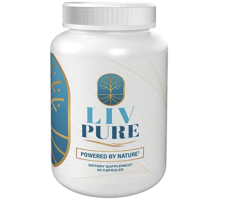
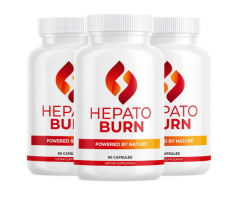
Explore supplement formulas that feature this ingredient and compare useful context before you choose a product.

2Products
0Articles
Ingredient guide

Glutathione

What it is: Glutathione is a tripeptide composed of the amino acids glutamate, cysteine, and glycine, naturally produced in human cells. It functions as a primary intracellular antioxidant.
What it does: Glutathione supports the body’s defense against oxidative stress by neutralizing free radicals and assists in the detoxification of toxins, especially in the liver. It also plays a role in regenerating other antioxidants such as vitamins C and E.
How it is used: Glutathione is taken in supplements aimed at supporting antioxidant capacity, promoting liver health, and assisting immune system balance.
Natural sources and supplement forms: The body synthesizes glutathione, and it occurs in foods like avocados, spinach, and asparagus. Supplement forms include reduced glutathione (L-glutathione), liposomal glutathione, and S-acetyl glutathione, which differ in bioavailability.
Why it appears in supplement formulas: It is included for its central role in cellular antioxidant protection, detoxification processes, and support for healthy immune function.
What to know before use: Oral glutathione’s absorption can vary; people with chronic illnesses, liver issues, or those taking regular medications should consult a healthcare professional before use.
Interesting Fact

Glutathione: Your Body’s Intracellular Antioxidant

Glutathione is naturally produced in every cell of the body, especially in the liver, and acts as a primary line of defense against oxidative stress. Unlike many antioxidants that work outside cells, glutathione works inside the cells, helping to neutralize free radicals and recycle other antioxidants, such as vitamins C and E, making it a cornerstone of cellular health support.
FAQ

Frequently Asked Questions About Glutathione

What does glutathione do in the body?

Glutathione acts as a major intracellular antioxidant, helping to neutralize free radicals and reactive oxygen species. It also supports detoxification in the liver by binding to toxins and facilitating their removal, and is involved in regenerating other antioxidants like vitamin C and E to maintain overall cellular health.

Are there different forms of glutathione supplements, and which form is best absorbed?

Glutathione supplements come as reduced L-glutathione, S-acetyl glutathione, and liposomal glutathione. Liposomal and S-acetyl forms are often promoted for better absorption compared to standard reduced glutathione, which may be partially broken down in the digestive tract before it reaches cells.

What foods are natural sources of glutathione?

Glutathione is found naturally in foods such as avocados, spinach, asparagus, okra, and certain meats. However, the body also produces glutathione from amino acids. Consuming foods rich in cysteine, glutamate, and glycine, as well as sulfur-rich vegetables like garlic and broccoli, can support the body's own glutathione synthesis.

Can glutathione supplements interact with medications or health conditions?

Glutathione supplements are considered well-tolerated for most people, but they may interact with certain medications affecting liver function or immune modulation. Individuals with chronic health conditions, especially those related to the liver, or who are pregnant or breastfeeding, should consult a healthcare professional before starting glutathione supplements.


Health supplements

buy supplements