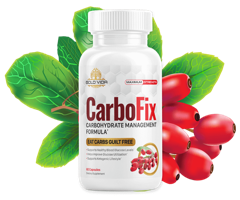
What it does: Berberine supports metabolic health by activating AMP-activated protein kinase (AMPK), which is involved in regulating blood glucose, energy use, and fat metabolism. It also plays a role in promoting gut microbiome balance.
How it is used: Frequently taken for healthy blood sugar support, overall metabolic balance, digestive health, and sometimes to support healthy cholesterol and weight management efforts.
Natural sources and supplement forms: Occurs naturally in the roots, bark, and stems of barberry, goldenseal, and Oregon grape. Supplement forms include granules, capsules, and powders, most often as berberine hydrochloride (HCl).
Why it appears in supplement formulas: Used for its ability to support healthy blood sugar, metabolic function, and digestive wellness, making it popular in metabolic and gut health supplement blends.
What to know before use: Berberine can interact with blood sugar and blood pressure medications. Consult a healthcare professional before use, especially if you are taking medications or are pregnant or breastfeeding.
Interesting Fact
Berberine’s Botanical Origins: Found in Traditional Medicinal Plants
Granular Berberine is derived from the roots, stems, and bark of plants such as barberry, goldenseal, and Oregon grape. Used in both traditional Chinese and Ayurvedic medicine, berberine has a long history as a natural compound. Its striking yellow color is naturally occurring and has even made it useful as a dye in some cultures.