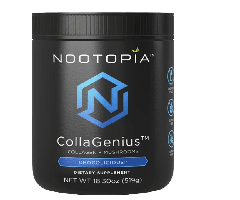
What it does: It provides a concentrated source of amino acids like glycine and proline, which are vital for building and maintaining the collagen structures that support skin firmness, joint health, and resilient connective tissues.
How it is used: Grass-fed collagen is commonly used in supplements aimed at supporting joint function, skin appearance, tissue recovery after physical activity, and the strength of hair and nails. It is usually found as a hydrolyzed powder or in capsules for easy absorption.
Natural sources and supplement forms: Naturally, collagen is found in animal connective tissue such as skin, bones, and cartilage, and is present in foods like bone broth. Supplement forms are typically hydrolyzed, meaning the protein is broken down for easier digestion and absorption.
Why it appears in supplement formulas: Grass-fed collagen is included to provide building blocks that the body can use to replenish collagen lost due to aging, supporting the health and appearance of skin, joints, and connective tissues.
What to know before use: People with sensitivities or allergies to beef or animal products should avoid grass-fed collagen. Mild digestive changes are possible when first introducing collagen supplements.
Interesting Fact
Grass-Fed Collagen: A Source of Natural Type I and III Collagen
Grass-fed collagen comes from the hides of pasture-raised cows and is a rich source of Type I and III collagen, the main types found in skin, tendons, and bones. Because collagen is a protein built from amino acids like glycine and proline, this supplement provides the same basic building blocks found in bone broth and other traditional dishes made with boiled animal bones and connective tissues.