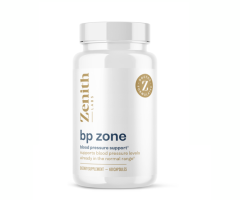
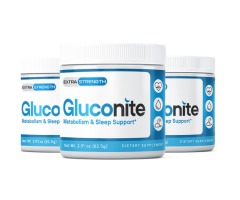
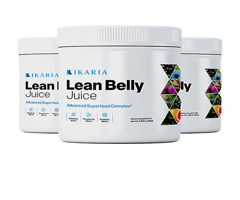
What it does: Hibiscus contains compounds that support vascular health by aiding healthy blood pressure and offering cellular protection through antioxidant activity.
How it is used: Commonly taken in supplements aimed at cardiovascular wellness, circulation, and antioxidant support; hibiscus is also popular in functional teas and wellness beverages.
Natural sources and supplement forms: Naturally occurring in tropical climates, hibiscus is typically used in dried, powdered, or standardized extract forms found in capsules, tablets, drink mixes, and teas.
Why it appears in supplement formulas: It is included for its established antioxidant activity, traditional role in circulatory health, and broad appeal as a plant-based wellness ingredient.
What to know before use: Hibiscus may lower blood pressure; consult a healthcare professional if you take blood pressure medication, are pregnant, or breastfeeding.
Interesting Fact
Hibiscus: A Tropical Flower Used for Centuries in Tea Blends
Hibiscus is not just prized for its vibrant blooms—dried hibiscus petals have been used around the world for centuries to create tart, ruby-red teas. This tropical plant is a source of natural plant compounds, including anthocyanins, which give it its deep color. Hibiscus tea is enjoyed both hot and cold, making it a popular traditional beverage from Egypt to the Caribbean.