Ingredient Guide

Inosine

Inosine is a purine nucleoside found naturally in the body, where it helps support the production of ATP, a key molecule for cellular energy and metabolic processes. People use inosine in supplements to promote endurance, support nerve signaling, and maintain overall cellular health.

2 related supplements 0 related articles Ingredient database

Inosine

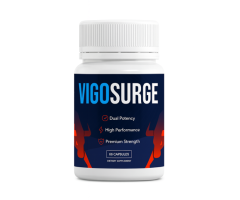
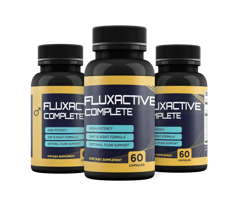
Explore supplement formulas that feature this ingredient and compare useful context before you choose a product.

2Products
0Articles
Ingredient guide

Inosine

What it is: Inosine is a purine nucleoside, made from the base hypoxanthine and a ribose sugar, present in all living cells as a compound essential for genetic and cellular functions.
What it does: Inosine is involved in ATP production, which fuels cellular energy, and plays a role in nerve communication and cellular recovery processes.
How it is used: It is commonly used in supplements aimed at enhancing athletic endurance, physical performance, and cognitive or neurological support.
Natural sources and supplement forms: Inosine occurs naturally in organ meats such as liver and kidney, as well as in brewer’s yeast; supplement forms are typically purified powders or capsules.
Why it appears in supplement formulas: Brands use inosine to help support the body’s natural cellular energy cycles and nervous system function, making it attractive for individuals seeking greater stamina, endurance, or brain health.
What to know before use: Inosine may increase uric acid levels, so those with a history of gout or kidney stone risk should consult a healthcare provider before use.
Interesting Fact

Inosine: Naturally Found in Organ Meats and Brewer’s Yeast

Inosine is a naturally occurring compound present in foods like organ meats—liver and kidney—and in brewer’s yeast. In the body, it acts as a building block for nucleic acids, which are essential for genetic material. Because of this role, inosine is sometimes used in supplements designed to support cellular energy and athletic performance.
FAQ

Frequently Asked Questions About Inosine

What is inosine and how is it used in dietary supplements?

Inosine is a purine nucleoside involved in cellular energy transfer and signaling. In supplements, it is commonly included to support ATP production, promote cellular energy, and assist with endurance and brain health. It is often found in products aimed at athletes or those seeking neurological support.

Are there any safety concerns or side effects associated with inosine supplementation?

Inosine can increase uric acid levels in the body, which may raise the risk of gout or exacerbate kidney issues in susceptible individuals. People with a history of gout, kidney stones, or impaired kidney function should consult a healthcare provider before using inosine supplements.

What are the natural food sources of inosine?

Inosine naturally occurs in animal organ meats such as liver and kidney, as well as in brewer’s yeast. Consuming these foods can provide small amounts of inosine, while supplements deliver purified forms in higher, controlled amounts.

How does inosine differ from related compounds like adenosine in supplements?

While both inosine and adenosine are nucleosides involved in cellular energy processes, inosine primarily contributes to ATP production and nucleotide metabolism. Adenosine, on the other hand, is more directly involved in energy transfer and acts as a neurotransmitter. Their specific roles and effects in supplements differ due to these functional distinctions.


Health supplements

buy supplements