Ingredient Guide

Inositol

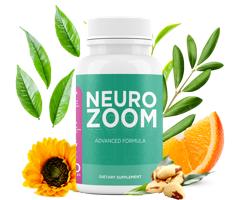
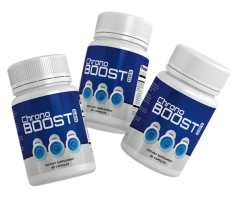
Inositol is a naturally occurring nutrient, sometimes called vitamin B8, that helps build cell membranes and supports the function of neurotransmitters in the brain. People use inositol supplements for emotional balance, metabolic wellness, and reproductive health, especially for support with conditions like PCOS.

2 related supplements 0 related articles Ingredient database

Inositol

Explore supplement formulas that feature this ingredient and compare useful context before you choose a product.

2Products
0Articles
Ingredient guide

Inositol

What it is: Inositol is a vitamin-like carbohydrate found in many foods and produced by the body, often referred to as vitamin B8, and is important for building cell membranes and supporting nerve function.
What it does: Inositol assists in nerve signal transmission, helps regulate mood-related brain chemicals, supports insulin signaling for blood sugar balance, and plays a role in ovarian hormone regulation.
How it is used: It is commonly taken for mood support, stress management, metabolic health, and to help with reproductive concerns such as polycystic ovary syndrome (PCOS).
Natural sources and supplement forms: Naturally present in fruits, beans, whole grains, and nuts, inositol in supplements is usually found as myo-inositol or D-chiro-inositol in powder or capsule form.
Why it appears in supplement formulas: Inositol is included for its ability to support emotional well-being, healthy blood sugar metabolism, and hormone balance, making it valuable for mood, metabolic, or reproductive health products.
What to know before use: High amounts may occasionally cause mild digestive upset; consult your healthcare provider if you have medical conditions or take medication for mood or blood sugar regulation.
Interesting Fact

Inositol: Naturally Found in Many Everyday Foods

Inositol is a vitamin-like compound that occurs naturally in many common foods, including fruits, beans, grains, and nuts. It plays an important role in your body's cell membranes and is especially concentrated in the brain. Because of its presence in so many foods, inositol is a familiar nutrient that your body uses every day to support normal cellular function.
FAQ

Frequently Asked Questions About Inositol

What is the difference between myo-inositol and D-chiro-inositol in supplements?

Myo-inositol and D-chiro-inositol are two forms of inositol found in supplements. Myo-inositol is the most common and is involved in cellular signaling and mood balance. D-chiro-inositol plays a specific role in insulin signaling and metabolic functions. Some supplements use a combination of both forms to support reproduction and metabolic wellness, especially in women.

What are common uses of inositol supplements?

Inositol supplements are commonly used to support mood and emotional balance, promote stress resilience, and assist healthy metabolic and reproductive function. Myo-inositol, in particular, is often chosen for its involvement in neurotransmitter and cellular signaling pathways, and is frequently used for nervous system and reproductive health support.

Are there any side effects or interactions with inositol supplements?

High doses of inositol may cause mild gastrointestinal discomfort such as nausea or diarrhea in some users. People who are pregnant, nursing, or taking medications for mental health, fertility, or blood sugar management should consult a healthcare professional before using inositol supplements, as interactions or sensitivities can occur.

What natural foods are high in inositol?

Inositol is found naturally in a variety of foods, including fruits (especially cantaloupe and oranges), beans, whole grains, and nuts. Diets that include these foods can provide regular amounts of inositol, though supplemental forms are chosen for higher targeted intakes.


Health supplements

buy supplements