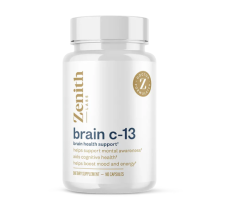
What it does: L-Carnitine transports fatty acids into mitochondria, allowing cells to convert fat into usable energy. This process supports energy production, particularly during exercise and increased physical demands.
How it is used: L-Carnitine is often taken by athletes and active individuals to support endurance, exercise recovery, and fat metabolism, and is also included in weight management supplements.
Natural sources and supplement forms: Natural dietary sources include red meat, fish, poultry, and dairy products. Supplements are sold as L-carnitine, acetyl-L-carnitine, and propionyl-L-carnitine in capsule, tablet, powder, or liquid forms.
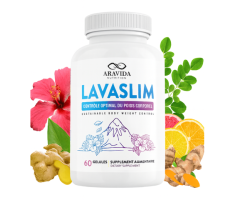
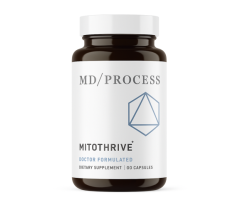
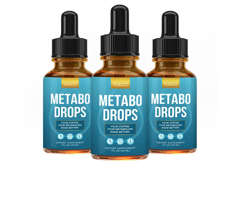
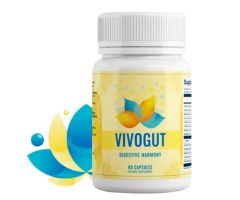
Why it appears in supplement formulas: Brands include L-Carnitine in formulas to help promote energy production from fat, support exercise recovery, and boost metabolic performance.
What to know before use: Most people tolerate L-Carnitine, but high doses may lead to mild digestive upset; consult a healthcare provider before use if you have kidney issues.
Interesting Fact
L-Carnitine Helps Transport Energy Inside Your Cells
L-Carnitine plays a key role in turning fat into energy by helping shuttle fatty acids into the mitochondria—the part of your cells that acts like a power plant. This process is important for energy production, especially in muscles with high energy demands, such as the heart and skeletal muscles. You can find L-Carnitine naturally in red meat, fish, poultry, and dairy products.