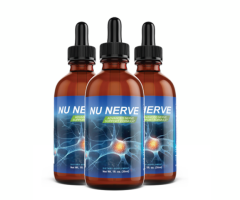
What it does: Compounds in Lion's Mane, such as hericenones and erinacines, are noted for supporting the production of nerve growth factor (NGF), a protein important for nerve and brain cell maintenance. This mushroom is commonly used for promoting cognitive health and healthy mood balance.
How it is used: Lion's Mane is often taken in supplements aimed at supporting memory, mental clarity, focus, and the body’s response to cognitive or neurological stress.
Natural sources and supplement forms: It grows naturally on hardwood trees in temperate forests. Supplement forms include powdered fruiting body, mycelium or mushroom extracts, and capsules standardized to key bioactive compounds.
Why it appears in supplement formulas: Lion's Mane is selected for its reputed ability to support cognitive function, promote healthy nerve cells, and contribute to mental resilience, especially in brain and mood-focused wellness blends.
What to know before use: Lion's Mane is typically well tolerated, but individuals with mushroom sensitivities or allergies should use caution and consult a healthcare provider before starting supplementation.
Interesting Fact
Lion's Mane: The 'Cognitive Mushroom' of Ancient Asia
Lion's Mane (Hericium erinaceus) is an edible mushroom that has been prized for centuries in traditional Chinese and Japanese practices, often found growing on hardwood trees. Its unique, shaggy appearance inspired its name. Today, Lion's Mane is popular in supplements because it contains natural compounds called hericenones and erinacines, found only in this species, which are being researched for their roles in supporting overall wellness.