Ingredient Guide

Lutein & Zeaxanthin

Lutein and zeaxanthin are antioxidant carotenoids found in leafy greens and colorful vegetables that accumulate in the eye's macula, where they help filter high-energy blue light and support visual performance. People use them in supplements to promote long-term eye health and reduce visual fatigue from screen exposure or aging.

8 related supplements 1 related articles Ingredient database

Lutein & Zeaxanthin

Explore supplement formulas that feature this ingredient and compare useful context before you choose a product.

8Products
1Articles
Ingredient guide

Lutein & Zeaxanthin

What it is: Lutein and zeaxanthin are fat-soluble carotenoids from the xanthophyll family, naturally concentrated in green leafy vegetables and yellow-orange produce. In the body, they are key components of the macular pigment in the retina.
What it does: These pigments function as antioxidants and help filter blue light, protecting retinal cells from oxidative stress and supporting healthy vision.
How it is used: Lutein and zeaxanthin are commonly used to promote eye health, support visual clarity, and reduce visual strain associated with extended screen use or age-related eye changes.
Natural sources and supplement forms: They are abundant in foods such as kale, spinach, corn, egg yolks, and orange peppers. Supplements typically use concentrated extracts from marigold flowers, available as free carotenoids or esters for enhanced absorption.
Why it appears in supplement formulas: Brands use lutein and zeaxanthin for their role in helping maintain healthy retinal tissues and supporting eye health against blue light and oxidative stress, especially for those concerned with long-term vision.
What to know before use: These nutrients are best absorbed with dietary fat and are generally safe; consult a healthcare provider before use if you have specific eye conditions or take related medications.
Interesting Fact

Colorful Nutrients from Leafy Greens Support Eye Health

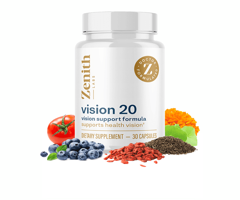
Lutein and zeaxanthin are yellow-orange pigments naturally found in spinach, kale, and corn. They accumulate in the retina, where they act as antioxidants and contribute to the eye's natural defense against light-induced stress. Most people get less than recommended amounts of these nutrients from diet alone, which is why they are often included in eye health supplements.
FAQ

Frequently Asked Questions About Lutein & Zeaxanthin

What are the main benefits of taking lutein and zeaxanthin supplements?

Lutein and zeaxanthin supplements are commonly used to support eye health, particularly by helping filter blue light and supporting the macula in the retina. They may also help maintain visual comfort and reduce eye strain, especially for people who spend significant time on screens or are concerned about age-related vision changes.

What foods are rich in lutein and zeaxanthin?

Lutein and zeaxanthin occur naturally in green leafy vegetables like spinach, kale, and collard greens, as well as in corn, eggs, and orange or yellow peppers. Diets rich in these foods may help support natural levels of these carotenoids, but supplements are often used to achieve higher intakes.

How are lutein and zeaxanthin absorbed, and does timing or pairing with food matter?

Lutein and zeaxanthin are fat-soluble nutrients, so they are best absorbed when taken with a meal containing dietary fat. Taking these supplements with foods like eggs or avocado can help optimize bioavailability for maximum benefit.

What is the difference between lutein and zeaxanthin, and why are they often paired in supplements?

Lutein and zeaxanthin are both xanthophyll carotenoids that concentrate in the eye, but they accumulate in slightly different areas of the retina. Pairing them in supplements provides a broader spectrum of support for eye health by covering multiple regions within the retina, where they act as antioxidants and help filter high-energy light.


Health supplements

buy supplements