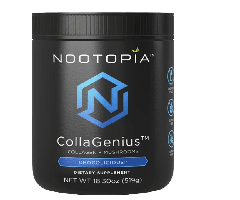
What it does: It provides amino acids like glycine, proline, and hydroxyproline that help maintain skin strength and elasticity, support joint and bone structure, and promote hair and nail health.
How it is used: Marine collagen is often added to supplements for beauty, joint comfort, and healthy aging, especially by individuals seeking to support youthful skin, flexible joints, and strong hair and nails.
Natural sources and supplement forms: Naturally found in the connective tissues of fish, marine collagen is processed into hydrolyzed peptides to improve absorption and is offered as powders, capsules, or liquid supplement forms.
Why it appears in supplement formulas: Its high bioavailability and concentration of type I collagen make marine collagen popular for those wanting visible skin benefits, comfort for joints, and broad connective tissue support.
What to know before use: People with fish allergies should avoid marine collagen. Consult a healthcare provider before using if pregnant, breastfeeding, or on medication.
Interesting Fact
Marine Collagen Comes from Fish, Not Cows or Pigs
Marine collagen is sourced from the skin and scales of fish, making it an alternative to collagen from bovine or porcine sources. Its smaller peptide size compared to land-animal collagen makes it especially popular, as this structure helps it dissolve easily in liquids and can allow for efficient absorption when consumed in supplements.