Ingredient Guide

Monk Fruit

Monk fruit is a subtropical fruit valued for its extract, which contains natural sweet compounds called mogrosides. These compounds provide intense sweetness without calories or affecting blood sugar, making monk fruit a favored natural sweetener for those reducing sugar intake.

2 related supplements 0 related articles Ingredient database

Monk Fruit

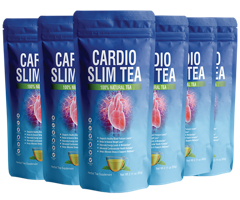
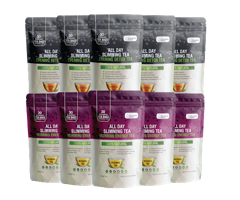
Explore supplement formulas that feature this ingredient and compare useful context before you choose a product.

2Products
0Articles
Ingredient guide

Monk Fruit

What it is: Monk fruit (Siraitia grosvenorii) is a small green melon native to southern China, known for its high content of mogrosides, which are intensely sweet antioxidant compounds.
What it does: Mogrosides from monk fruit offer natural, calorie-free sweetness and do not raise blood glucose levels, providing a sugar alternative suitable for those managing blood sugar and calorie intake.
How it is used: Monk fruit extract is commonly found in supplements, foods, and beverages designed to support weight management, metabolic health, and reduced sugar consumption.
Natural sources and supplement forms: Monk fruit is harvested, dried, and processed to concentrate mogrosides, typically available as powders, granules, or liquid sweeteners in supplement and food products.
Why it appears in supplement formulas: It is included for its ability to sweeten products naturally without calories or glycemic impact, meeting the needs of individuals seeking sugar alternatives or supporting healthy blood sugar levels.
What to know before use: Monk fruit extract is generally well tolerated, but those with allergies to the gourd family (Cucurbitaceae) should consult a healthcare professional before use due to possible cross-reactivity.
Interesting Fact

Monk Fruit: Nature’s Zero-Calorie Sweetener from Ancient China

Monk fruit has been used for centuries in southern China, where it’s prized not only for its subtle sweetness but also because its unique compounds called mogrosides provide sugar-like taste without adding calories. Unlike sugar, monk fruit extract doesn’t raise blood sugar levels, making it a popular plant-based sweetener in modern supplements and foods.
FAQ

Frequently Asked Questions About Monk Fruit

What makes monk fruit extract different from other natural sweeteners?

Monk fruit extract stands out because its sweetness comes from mogrosides, not sugar or sugar alcohols. Unlike stevia or erythritol, monk fruit doesn’t tend to have a bitter aftertaste and has no calories or carbs, making it a popular option in supplements and foods for people looking to manage blood sugar or calorie intake.

Does monk fruit affect blood sugar levels?

Monk fruit extract is considered a zero-glycemic sweetener, meaning it does not raise blood sugar levels. This is because mogrosides, the compounds responsible for its sweetness, are not absorbed by the body in a way that impacts glucose levels, making monk fruit a common choice for people watching their carbohydrate intake.

Are there any side effects or allergies associated with monk fruit extract?

Monk fruit extract is generally well tolerated and not commonly associated with side effects. However, individuals with allergies to the gourd family (Cucurbitaceae), which includes melons, cucumbers, and squash, should use caution, as monk fruit is related to these plants and may cause allergic reactions in sensitive people.

What forms of monk fruit are commonly found in supplements?

In dietary supplements, monk fruit is usually present as a concentrated liquid or powdered extract, sometimes labeled as monk fruit juice concentrate or luo han guo extract. These forms are standardized for mogroside content to ensure consistent sweetness and are typically used to naturally sweeten powders, chewables, or capsule blends.


Health supplements

buy supplements