Ingredient Guide

Niacinamide

Niacinamide is a water-soluble form of vitamin B3 (nicotinamide) that plays a key role in cellular energy production and helps protect and repair the skin barrier. It is popular in supplements for supporting metabolic health, nervous system function, and skin appearance without causing niacin flush.

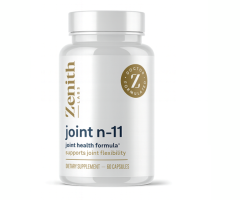
1 related supplements 0 related articles Ingredient database

Niacinamide

Explore supplement formulas that feature this ingredient and compare useful context before you choose a product.

1Products
0Articles
Ingredient guide

Niacinamide

What it is: Niacinamide, also called nicotinamide, is a water-soluble B vitamin and an active form of vitamin B3 essential for metabolic and skin health.
What it does: It supports the conversion of carbohydrates, fats, and proteins into energy, helps maintain healthy nerve function, and contributes to building and repairing the skin barrier and DNA.
How it is used: Niacinamide is commonly taken to support healthy skin, promote energy metabolism, aid in nervous system wellness, and may also be applied topically for skin improvement.
Natural sources and supplement forms: Naturally found in foods such as poultry, fish, eggs, nuts, seeds, and whole grains; in supplements, it appears as capsules, tablets, powders, and topical skincare products.
Why it appears in supplement formulas: Supplement brands choose niacinamide for its key roles in energy production, nervous system support, and skin barrier health, with the advantage of avoiding the flushing effect seen with niacin.
What to know before use: Niacinamide is generally well tolerated, but high doses may cause mild digestive discomfort; seek medical advice for sustained, high-dose use or if you have preexisting liver issues.
Interesting Fact

Niacinamide: A Versatile Form of Vitamin B3 Found in Everyday Foods

Niacinamide is a form of vitamin B3 that your body can make from tryptophan, an amino acid found in foods like turkey and eggs. Unlike some B vitamins, niacinamide is gentle on the stomach and does not cause the flushing effect often linked to other forms of vitamin B3, making it a popular choice in supplements.
FAQ

Frequently Asked Questions About Niacinamide

What is the difference between niacinamide and niacin in supplements?

Niacinamide and niacin are both forms of vitamin B3. Niacinamide does not cause the skin flushing often associated with niacin (nicotinic acid). Both support energy metabolism, but niacinamide is preferred by those wanting the benefits of vitamin B3 without uncomfortable flushing or redness. They are often found in different supplement formulations based on individual tolerability and health goals.

What are common uses for niacinamide in dietary supplements?

Niacinamide supplements are commonly used to support cellular energy production, maintain healthy skin, and promote nervous system function. They are also included in formulations aimed at metabolic health and overall well-being, as niacinamide is involved in converting carbohydrates, fats, and proteins into usable energy within cells.

Does niacinamide have to be taken with food for better absorption?

Niacinamide is a water-soluble vitamin and can be taken with or without food. Taking it with food may help minimize the risk of mild digestive upset in sensitive individuals, but it does not significantly impact the absorption or effectiveness of the supplement for most people.

Are there any safety considerations with high-dose niacinamide supplements?

Niacinamide is well-tolerated at recommended doses, but high doses may occasionally cause mild digestive upset or, in rare cases, affect liver function. Individuals with liver conditions or those taking other vitamin B3 supplements should consult a healthcare professional before using high-dose niacinamide.


Health supplements

buy supplements