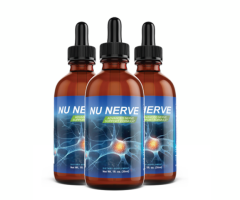
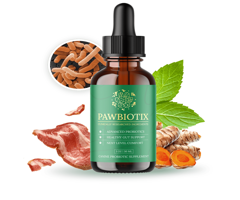
Ingredient Guide

Palmitoylethanolamide

Palmitoylethanolamide (PEA) is a naturally occurring fatty acid amide that helps regulate the body's inflammatory and pain signaling pathways. People use PEA supplements mainly to support nerve comfort and manage occasional physical discomfort without sedative or habit-forming effects.

4 related supplements 0 related articles Ingredient database

Palmitoylethanolamide

Explore supplement formulas that feature this ingredient and compare useful context before you choose a product.

4Products
0Articles
Ingredient guide

Palmitoylethanolamide

What it is: Palmitoylethanolamide (PEA) is a fatty acid amide produced in the body and found in some foods. It is classified as an endocannabinoid-like compound because of its similar signaling roles in the body.
What it does: PEA is involved in the body's natural regulation of inflammation and pain sensitivity, supporting healthy nerve function and comfort by activating specific cell receptors such as PPAR-alpha.
How it is used: PEA is commonly used in supplements for nerve comfort, joint support, and to promote physical ease during periods of heightened sensitivity or ongoing muscle and joint stress.
Natural sources and supplement forms: PEA naturally occurs in small amounts in foods like egg yolks, peanuts, and soybeans. In supplements, it is usually available as a purified or micronized powder that is designed for enhanced absorption.
Why it appears in supplement formulas: PEA is included to support comfortable nerve, muscle, and joint function, particularly for those seeking a non-sedating, non-habit-forming option for physical relief and balanced inflammatory response.
What to know before use: PEA is generally well tolerated, but individuals who are pregnant, breastfeeding, or managing chronic health issues should seek medical advice before supplementing.
Interesting Fact

Palmitoylethanolamide: A Compound Your Body Naturally Makes

Palmitoylethanolamide (PEA) is a fatty acid amide that your body produces naturally, especially in tissues like the brain and immune cells. It also occurs in small amounts in foods such as egg yolks and peanuts. PEA is often included in supplements because of its role in supporting natural cellular balance and response to everyday physical stresses.
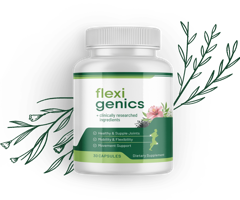
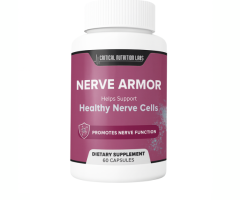
FAQ

Frequently Asked Questions About Palmitoylethanolamide

What is palmitoylethanolamide (PEA) and how does it work in the body?

Palmitoylethanolamide (PEA) is a fatty acid amide naturally produced in the body and present in foods like egg yolks and peanuts. It acts as a signaling molecule supporting the natural regulation of inflammation and discomfort by interacting with cellular receptors involved in pain and immune responses. PEA is studied for its role in supporting nerve health and reducing sensitivity to physical stress.

What are the most common uses for palmitoylethanolamide supplements?

Palmitoylethanolamide supplements are commonly used by people seeking support for nerve comfort, joint health, and recovery from everyday physical stress. They are often chosen for their non-habit-forming properties and are intended to help the body manage normal sensitivity and promote overall comfort, especially during times of increased physical demand.

Is micronized palmitoylethanolamide different from regular PEA supplements?

Micronized palmitoylethanolamide refers to PEA that has been processed into smaller particles to potentially improve absorption and bioavailability. This form is often used in supplements to help the body utilize PEA more efficiently compared to standard, non-micronized forms. Many supplement brands highlight micronized versions for this reason.

Are there safety concerns or allergies associated with palmitoylethanolamide supplements?

PEA is generally well tolerated, but individuals with allergies to foods like egg yolks, peanuts, or soy (natural sources of PEA) should review product sourcing. Those with serious health conditions or using other therapies should consult a healthcare professional before starting a PEA supplement to ensure it does not interact with existing treatment plans.


Health supplements

buy supplements