Ingredient Guide

Pantothenic Acid (Vitamin B5)

Pantothenic acid, or vitamin B5, is a water-soluble vitamin needed to make coenzyme A, which helps the body break down and use carbohydrates, fats, and proteins for energy. People use it in supplements to support energy metabolism, stress response, and healthy skin and hair.

2 related supplements 0 related articles Ingredient database

Pantothenic Acid (Vitamin B5)

Explore supplement formulas that feature this ingredient and compare useful context before you choose a product.

2Products
0Articles
Ingredient guide

Pantothenic Acid (Vitamin B5)

What it is: Pantothenic acid is a water-soluble B vitamin (vitamin B5) that is critical for creating coenzyme A, a compound necessary for many metabolic reactions in the body.
What it does: It assists with breaking down carbohydrates, fats, and proteins into energy, is involved in hormone and neurotransmitter production, and plays roles in supporting healthy adrenal glands, skin, and nerves.
How it is used: Pantothenic acid is commonly taken for energy support, helping the body cope with stress, and to promote skin and hair vitality.
Natural sources and supplement forms: It naturally occurs in foods like eggs, avocados, whole grains, legumes, and dairy. Supplement forms include calcium pantothenate and pantethine.
Why it appears in supplement formulas: It is included to support cellular energy production, healthy stress response, and to maintain overall metabolic and skin health.
What to know before use: Pantothenic acid is generally safe but high doses may cause mild stomach upset in some people. Consult a healthcare professional if pregnant, breastfeeding, or taking medications.
Interesting Fact

Nature’s Building Block for Energy and Metabolism

Pantothenic Acid, also known as Vitamin B5, is essential for turning the carbohydrates, fats, and proteins you eat into energy your cells can use. Found naturally in foods like avocados, eggs, and whole grains, it also helps your body synthesize coenzyme A—a vital molecule for hundreds of cellular reactions involved in energy and nutrient metabolism.
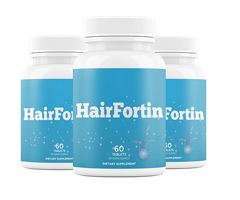
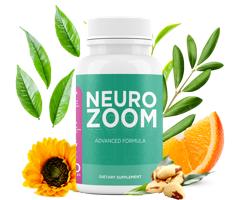
FAQ

Frequently Asked Questions About Pantothenic Acid (Vitamin B5)

What is Pantothenic Acid (Vitamin B5) and what does it do in the body?

Pantothenic Acid, also known as Vitamin B5, is a water-soluble B vitamin essential for synthesizing coenzyme A (CoA), a molecule critical for energy metabolism. It helps convert carbohydrates, fats, and proteins into cellular energy and is also involved in the synthesis and breakdown of fatty acids, hormones, and neurotransmitters.

Which foods are good natural sources of Pantothenic Acid (Vitamin B5)?

Pantothenic Acid is widely available in both plant and animal foods. Rich dietary sources include avocados, eggs, beef liver, chicken, mushrooms, sweet potatoes, sunflower seeds, and whole grains. Because it is found in a variety of foods, most people get some Vitamin B5 from their regular diet.

What forms of Pantothenic Acid (Vitamin B5) are used in supplements?

Pantothenic Acid in supplements most commonly appears as calcium pantothenate or sometimes as panthenol (a provitamin form often used in topical and hair formulas). The calcium pantothenate form is stable and well-absorbed, making it the preferred form for oral dietary supplements.

Are there any nutrients commonly paired with Pantothenic Acid (Vitamin B5) for hair and energy support?

Pantothenic Acid is often combined with other B vitamins, especially biotin, in formulas for hair and energy support. It plays a role in supporting the metabolism of biotin and other hair-related nutrients. Some blends also include Vitamin C or amino acids for broader skin, hair, and metabolic benefits.


Health supplements

buy supplements