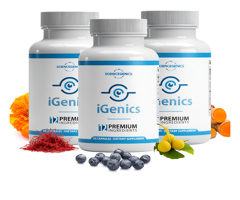
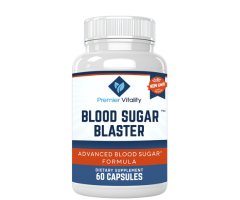
Ingredient Guide

Parsley

Parsley (Petroselinum crispum) is a leafy herb naturally rich in vitamin K, vitamin C, folate, and antioxidants such as flavonoids. It is used in supplements to support healthy blood clotting, provide antioxidant protection, and contribute to cardiovascular and cellular wellness.

3 related supplements 1 related articles Ingredient database

Parsley

Explore supplement formulas that feature this ingredient and compare useful context before you choose a product.

3Products
1Articles
Ingredient guide

Parsley

What it is: Parsley is a green, aromatic herb from the Apiaceae family, known for its high levels of vitamin K, vitamin C, folate, and plant-based antioxidants called flavonoids.
What it does: It supports blood clotting through its vitamin K content, provides antioxidant activity to help protect cells from oxidative stress, and delivers nutrients that promote circulatory and general cellular health.
How it is used: Parsley is commonly used in supplements aimed at general wellness, circulatory support, immune health, and increasing dietary antioxidant intake.
Natural sources and supplement forms: Found naturally as a culinary herb, parsley is used in supplements in forms such as dried leaf powder, concentrated extracts, and parsley oil.
Why it appears in supplement formulas: It is chosen for its abundance of vitamin K and antioxidants, helping to maintain cardiovascular health and cellular protection against oxidative damage.
What to know before use: Because parsley is high in vitamin K, people taking blood-thinning medications should consult a healthcare professional before using it.
Interesting Fact

Parsley: A Traditional Culinary Herb Rich in Vitamin K

Best known as a fresh garnish, parsley is actually a notable source of vitamin K, an essential nutrient that helps support normal blood clotting in the body. Parsley has long been used in European and Middle Eastern cuisines for its fresh flavor and colorful appearance, and its leaves are also valued for their naturally occurring antioxidants and trace minerals.
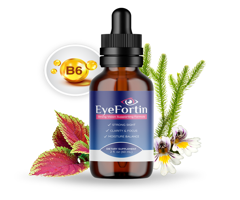
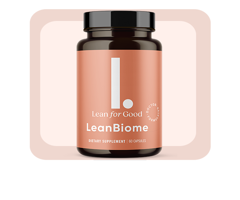
FAQ

Frequently Asked Questions About Parsley

What are the main benefits of taking parsley supplements?

Parsley supplements are valued for their high vitamin K content, which supports normal blood clotting, and for providing antioxidants such as flavonoids and vitamin C. These nutrients are linked with general wellness, antioxidant protection, and may support cardiovascular health. Parsley is also a source of essential minerals that contribute to its overall nutritional profile.

Are there any interactions between parsley supplements and blood-thinning medications?

Parsley contains high levels of vitamin K, which plays a key role in blood clotting. This means parsley supplements may interact with blood-thinning medications such as warfarin. If you are taking anticoagulants, consult your healthcare provider before using parsley supplements to avoid potential interference with medication effectiveness.

How is parsley typically used in dietary supplements?

Dietary supplements often use dried parsley leaf powder, concentrated water or alcohol extracts, or parsley oil. These forms are chosen to deliver parsley’s natural vitamin K, vitamin C, flavonoids, and carotenoids. Parsley is usually included in formulas aimed at general wellness, antioxidant support, or circulatory health.

How does parsley compare to cilantro in terms of nutrient content?

Parsley and cilantro are both leafy herbs, but parsley contains much higher levels of vitamin K compared to cilantro. Parsley is also a notable source of vitamin C and certain flavonoids. While both herbs offer antioxidants, parsley is generally preferred in supplements where boosting vitamin K intake is a priority.


Health supplements

buy supplements